
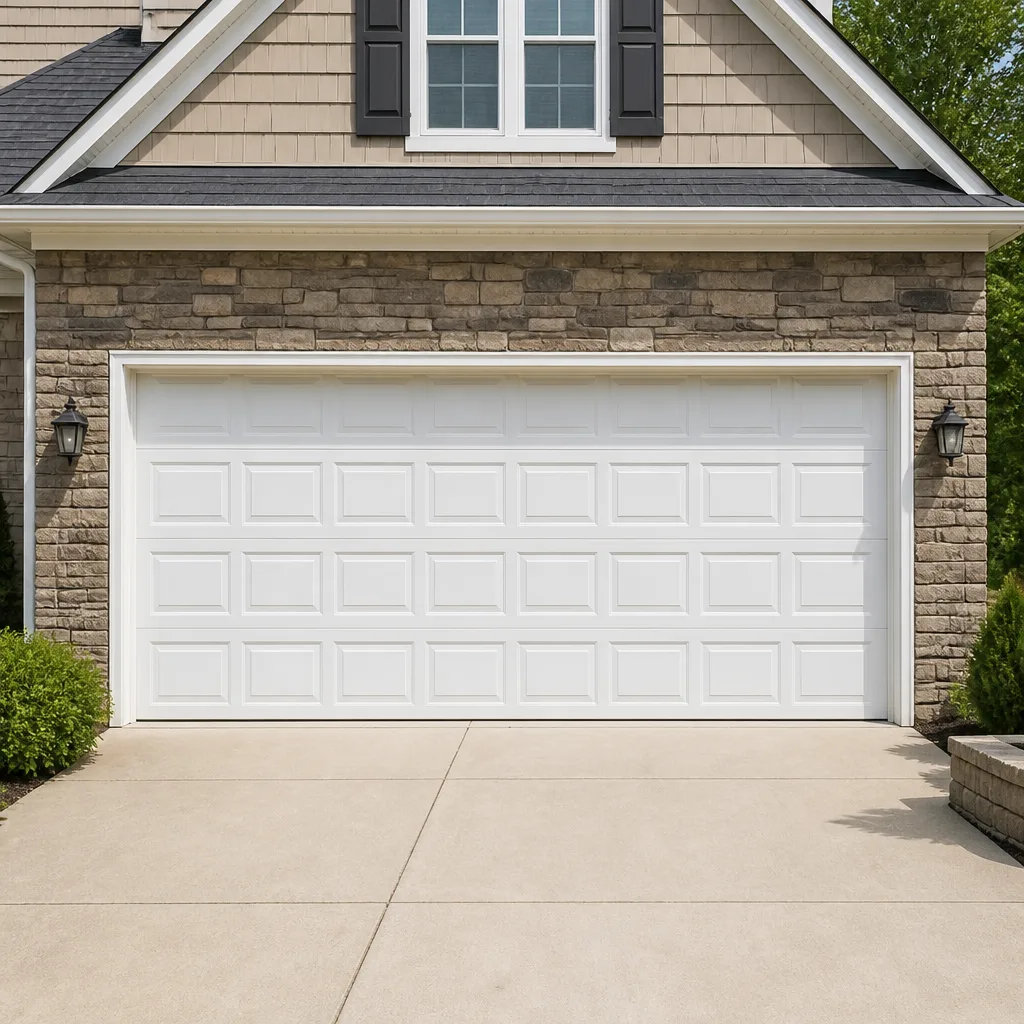
 Raised-panel steel
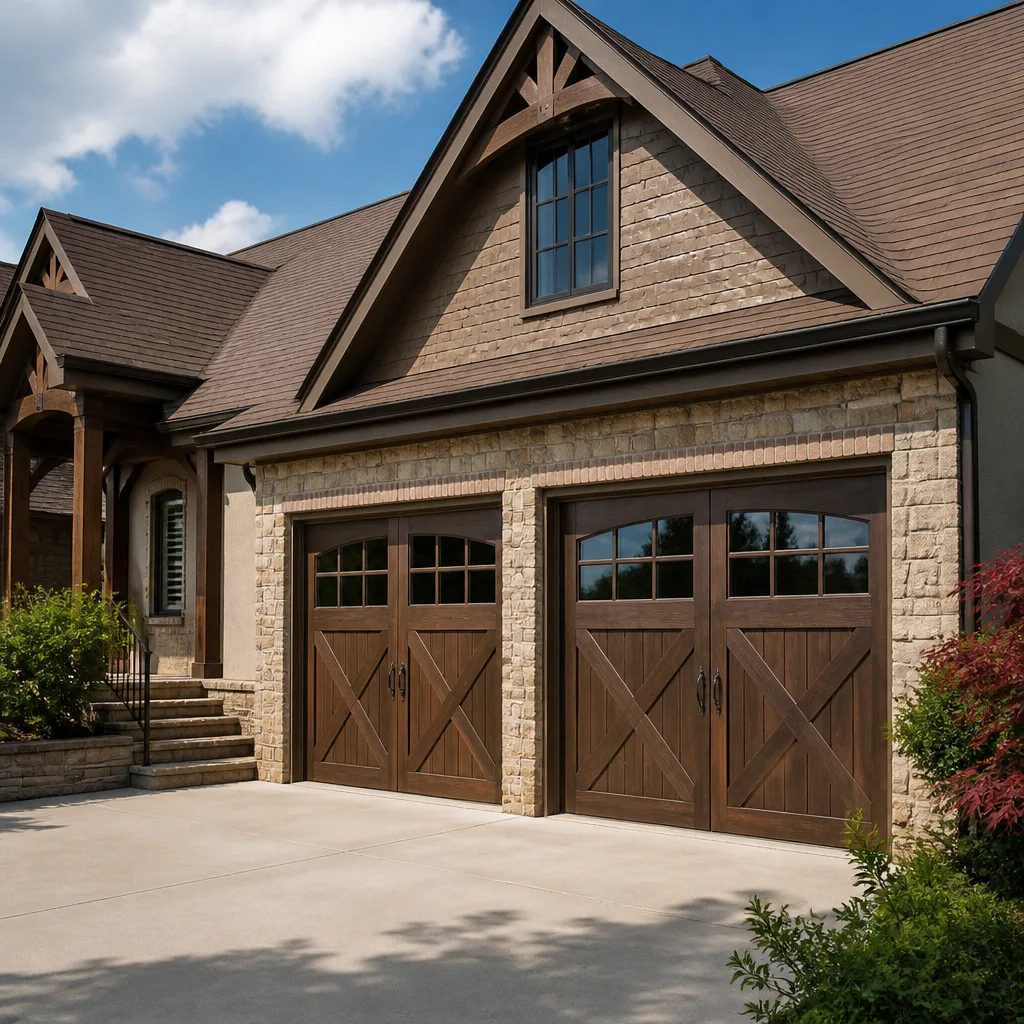 Carriage house
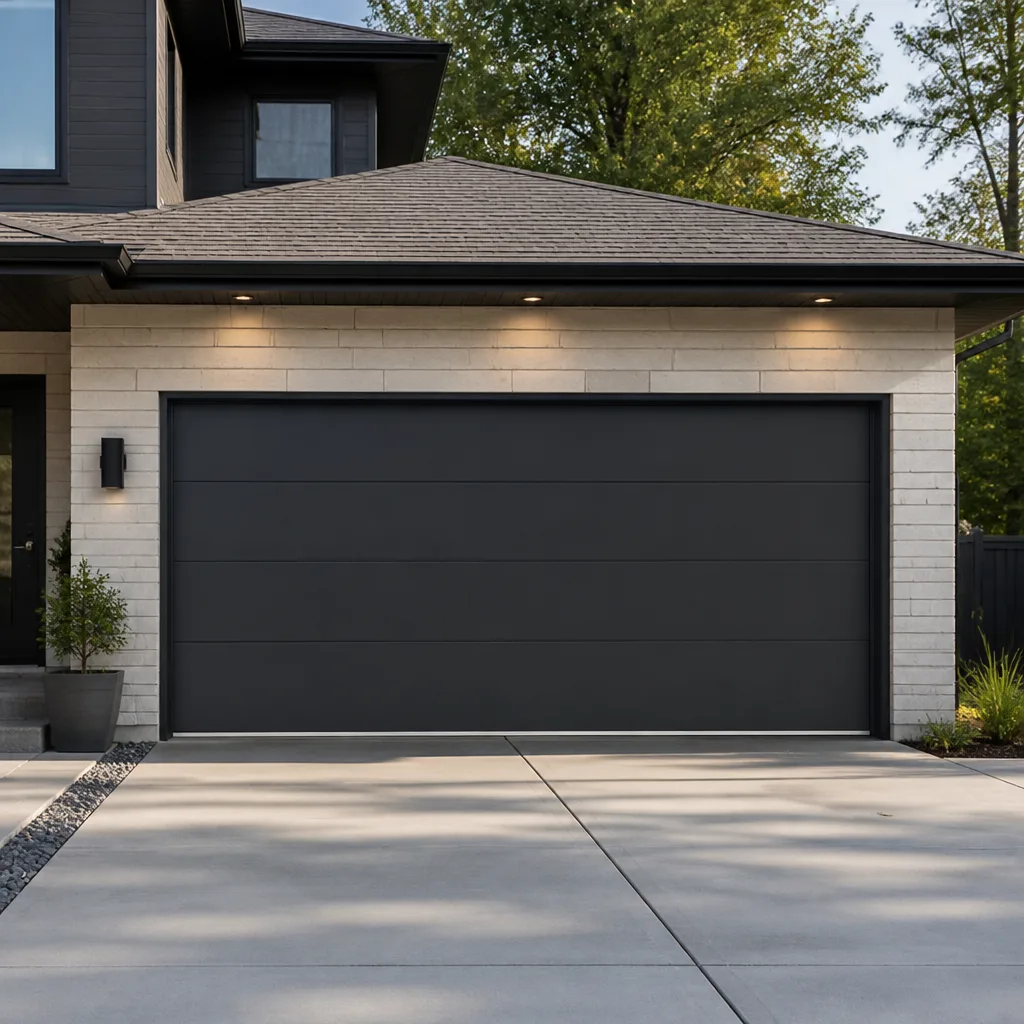 Modern flush
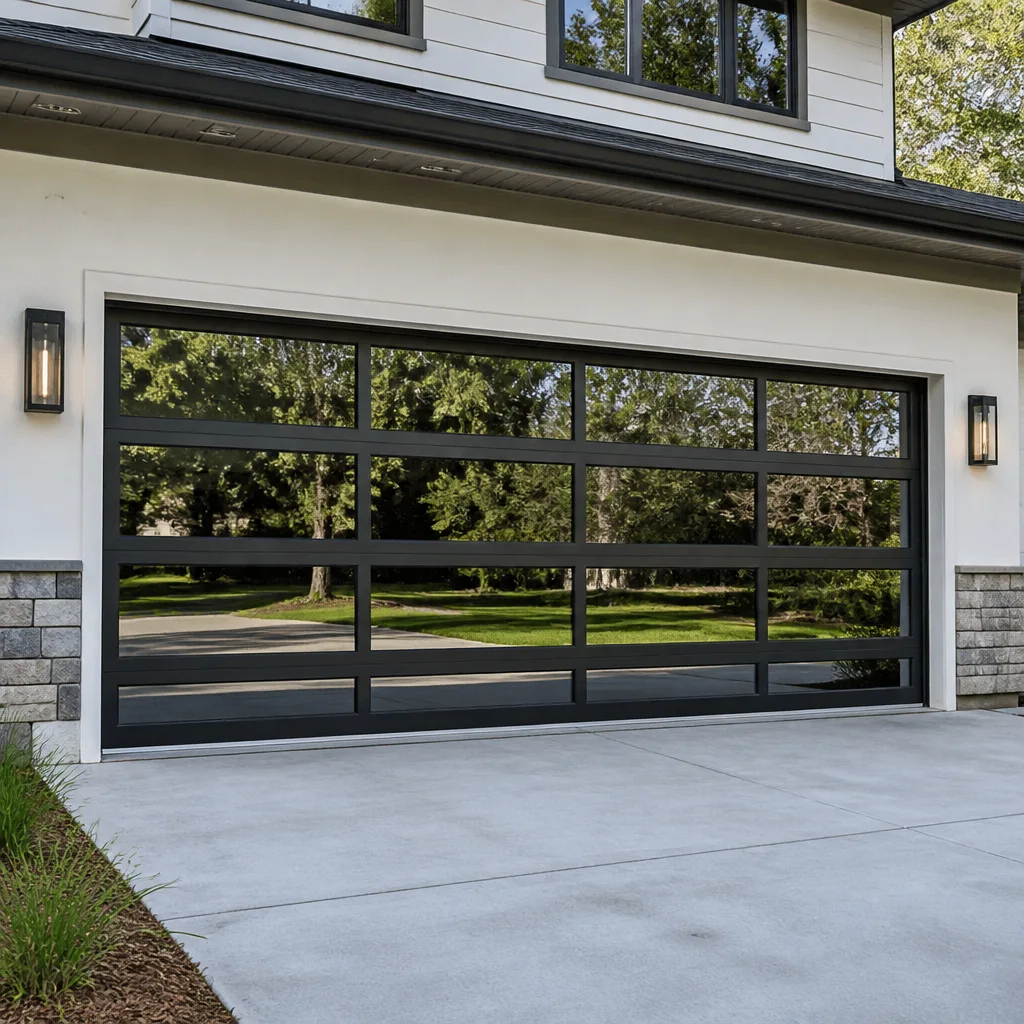 Full-view glass
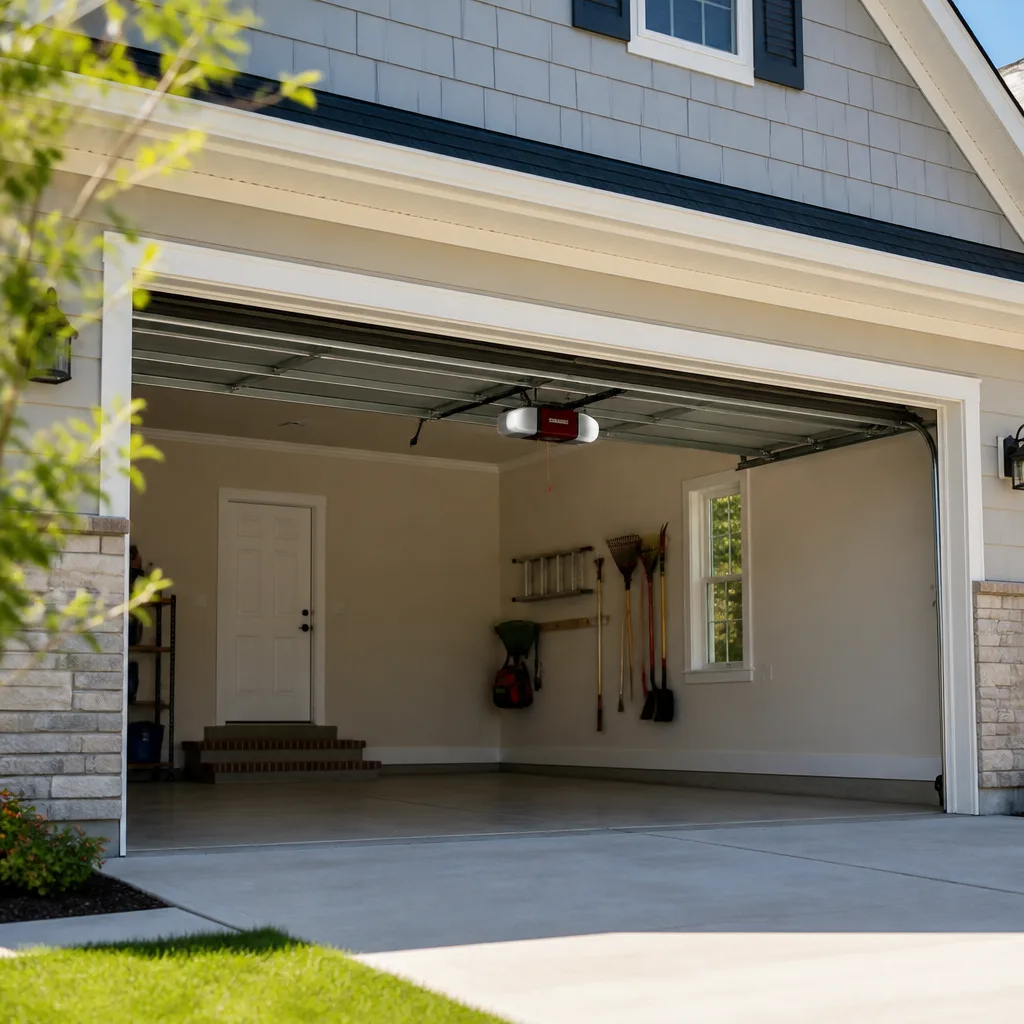 LiftMaster openers
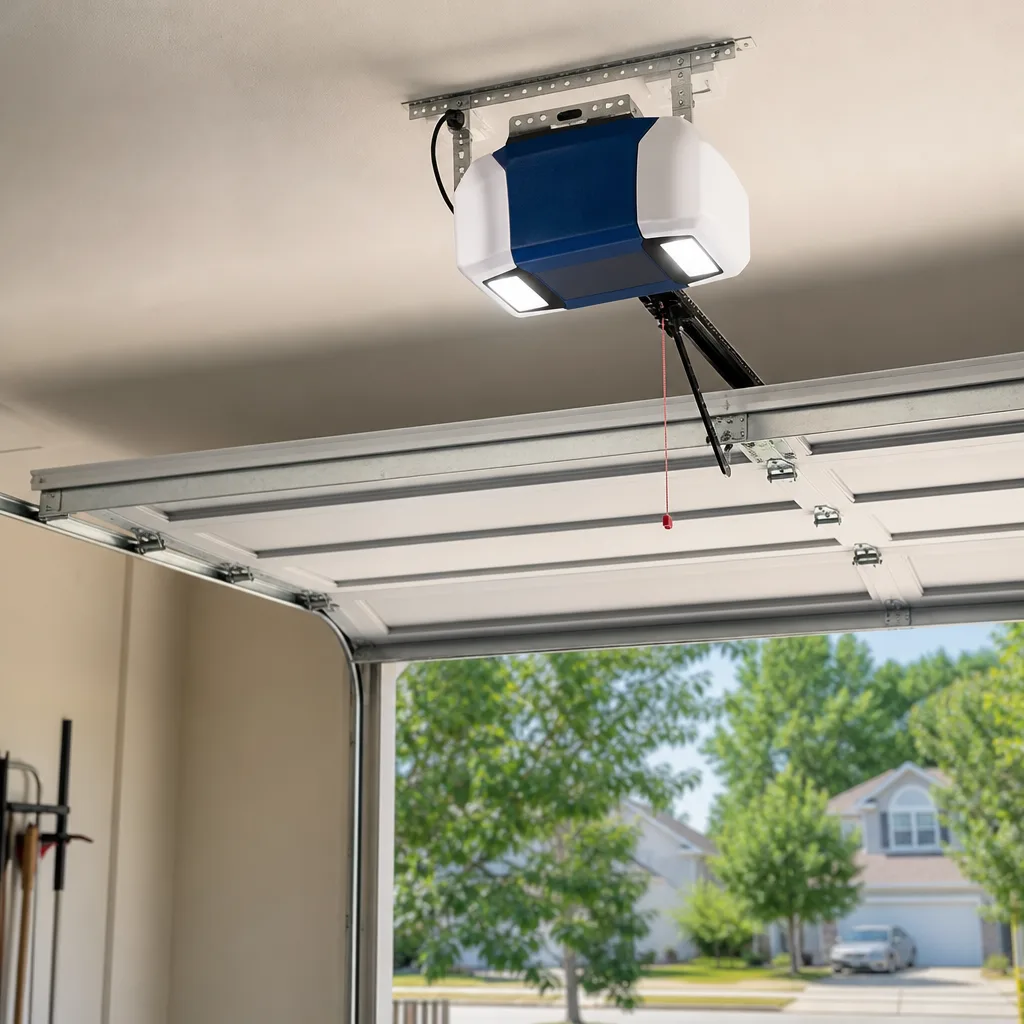 Chamberlain openers
Full 25-point door and opener safety check with every visit - springs, cables, rollers, tracks, and your LiftMaster or Chamberlain opener included
You get a price before we start. It does not change when the truck arrives.
Get your free estimateRaynor Weather Seal Replacement: The Orange County Owner’s Guide
Raynor weather seal replacement in Orange County typically costs between $90 and $180 installed, depending on your door’s width and whether the bottom retainer channel needs replacing along with the seal itself. We stock Raynor-compatible bulb seals, T-style seals, and retainer channels on our trucks, so most replacements happen in a single visit. You’ll usually notice the problem the same way every homeowner does: daylight peeking under the door, leaves and dust blowing in across the garage floor, or the soft crunch of a flattened seal when the door closes.
That strip of rubber along the bottom edge of your Raynor door does quiet, unglamorous work. It keeps rain from pooling under your stored boxes during an Orange County winter storm, blocks the Santa Ana dust that finds its way into everything, and keeps mice and roaches from treating your garage like a walk-in. When it tears, compresses, or pulls loose from the retainer, the fix is straightforward, and we can usually match your existing seal without any guesswork.
Key takeaways: installed weather seal replacement runs $90 – $180 in Orange County. We carry the seal and retainer on the truck. Most jobs are done in under an hour. Price is confirmed in writing before we start.
Which Raynor Models This Applies To
Raynor has used a few different bottom seal profiles over the years, and matching the right one is where a lot of generic replacement attempts go sideways. Most Raynor residential doors built in the last 20 years, including the Aspen, Centura, Decade, and Premium series, use a T-style seal that slides into a U-shaped aluminum or steel retainer along the bottom panel. Older Raynor doors, especially the ones with wooden bottom sections, sometimes run a bulb-style seal that pushes into a round channel instead. The two are not interchangeable, and forcing a T-seal into a bulb channel will leave you with a seal that pops out the first time the door closes hard.
If you’re not sure which you have, crouch down and look at the bottom edge. A T-seal shows a flat horizontal strip hanging below the retainer. A bulb seal looks like a tube, round and squishy, sitting under the door. There’s also a third option on some newer Raynor models: a P-bulb seal with a small fin that faces outward. The part number is stamped on the seal itself in most cases, running along the inside of the rubber, but sun exposure over a few Orange County summers can make that stamp nearly impossible to read. If the number’s gone, we match by measuring the retainer channel opening and the door width.
On the OEM versus aftermarket question: Raynor’s factory seals are good rubber, but they are not magic. Quality aftermarket seals from suppliers like Action Industries and BriteStar use the same T-bulb dimensions and often hold up just as well in our climate. What matters more than the brand name is UV resistance. We stock both OEM Raynor seals and proven aftermarket equivalents, and Jesse Calder will tell you straight up when the aftermarket saves you money without giving up durability.
Styles & brands we work with
Signs Your Raynor Weather Seal Replacement Is Failing
- Daylight visible under the closed door. This is the one nobody misses. If you can see even a sliver of light under one corner, the seal has compressed or torn at that point. It means the door is technically closed, but the garage is not sealed.
- Water pooling inside the garage after rain. Orange County sees most of its rain between December and March, and a failed seal turns a heavy storm into a slow indoor puddle. The water typically follows the door’s track and gathers near the sides, which points to a seal that has lost its contact pressure across the full width.
- Leaves, dust, or sand accumulating along the back wall. A healthy bottom seal pushes debris out as the door closes. When it stops doing that, the first thing you’ll notice is a line of fine grit and leaf fragments blown in from the driveway, especially during a Santa Ana event.
- The seal looks flat, cracked, or ends don’t touch the ground. Rubber hardens over time. Heat, car exhaust, and the mild but persistent UV we get in Orange County all accelerate that. A seal that used to compress now just sits there, and the corners are often the first place it lifts.
- You hear a dry, scraping sound as the door closes on the concrete. That means the seal has worn thin enough that the retainer or the door itself is making contact. The rubber is no longer cushioning the close, which puts unnecessary strain on the bottom panel over time.
Replacement Cost & What’s Included
In Orange County, a Raynor weather seal replacement installed runs $90 to $180. The seal itself typically accounts for $25 to $55 of that, depending on the door width, and the balance is the labor to remove the old seal, clear any debris from the retainer, and slide the new one in. If the retainer channel is bent, rusted through, or missing in spots, we replace that too, which is why the range goes up to $180.
The most common driver of price is door width. A single-car door uses roughly 9 feet of seal material; a double door uses 16 to 18 feet, and a few wide lots in Orange County have 20-foot openings. The second factor is whether we find the retainer in poor shape. A broken retainer is not something we’ll patch around; we’ll show you the damage and give you a written number before touching it.
Every replacement includes removal of the old seal, cleaning inside the retainer channel, a test close with the door in place, and a photo of the work when we’re done. The labor and the seal are both covered by our 365-Day Done Right Promise, which is a simple thing: if it’s not right, we make it right, no negotiation.
See the difference
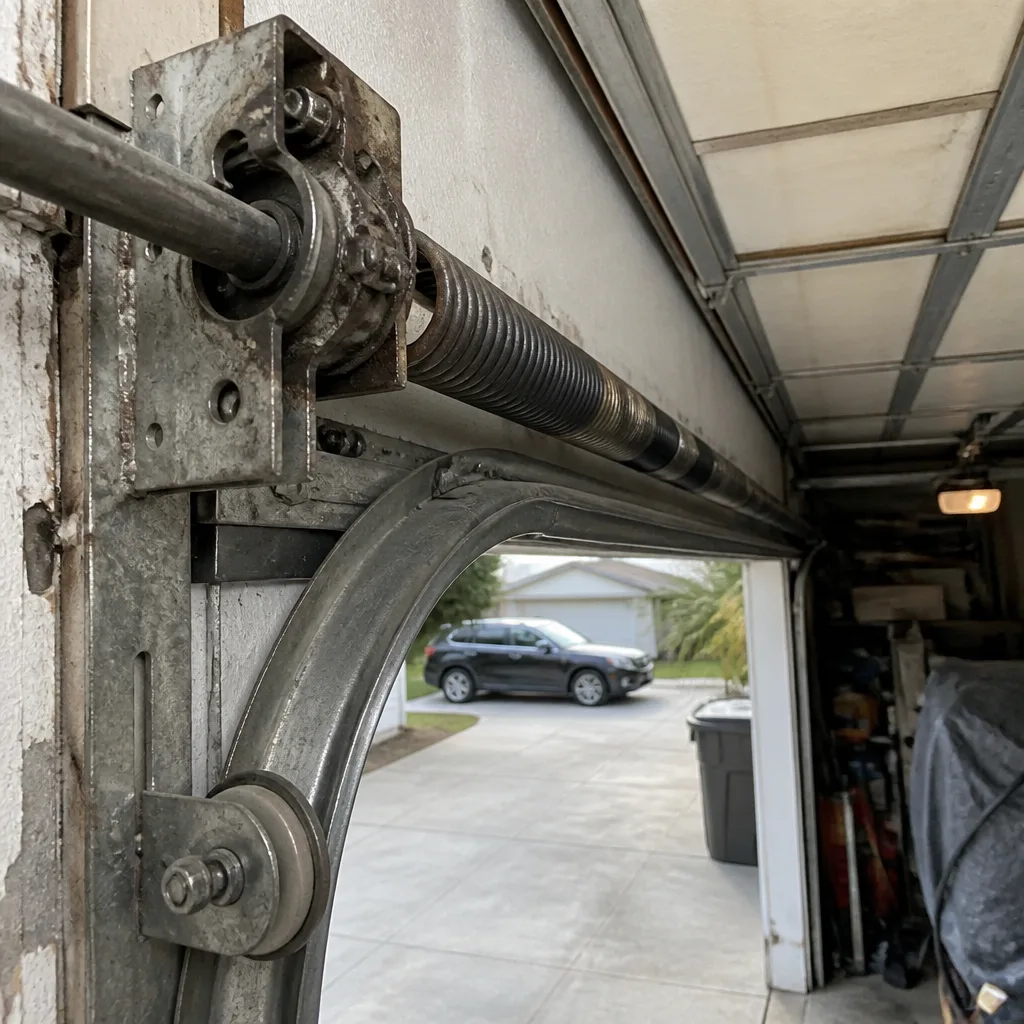 Before
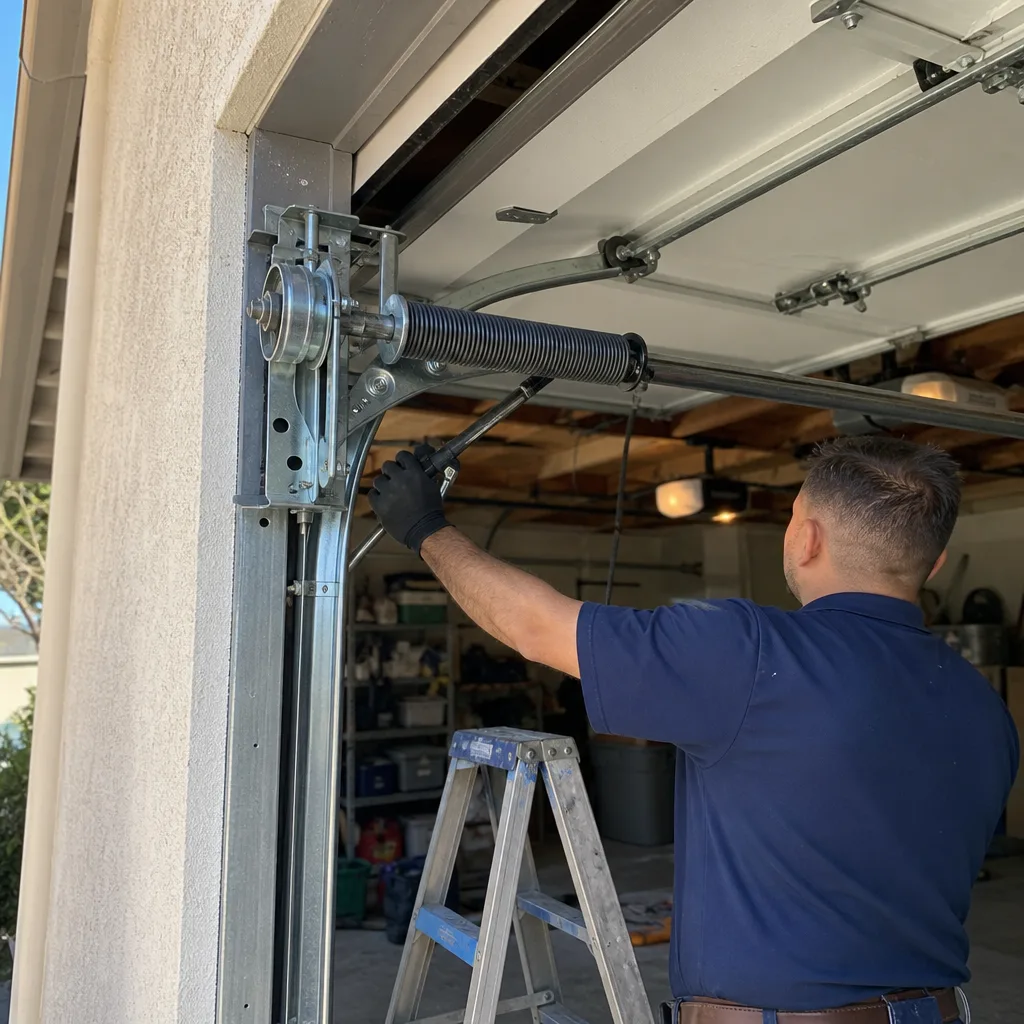 After
After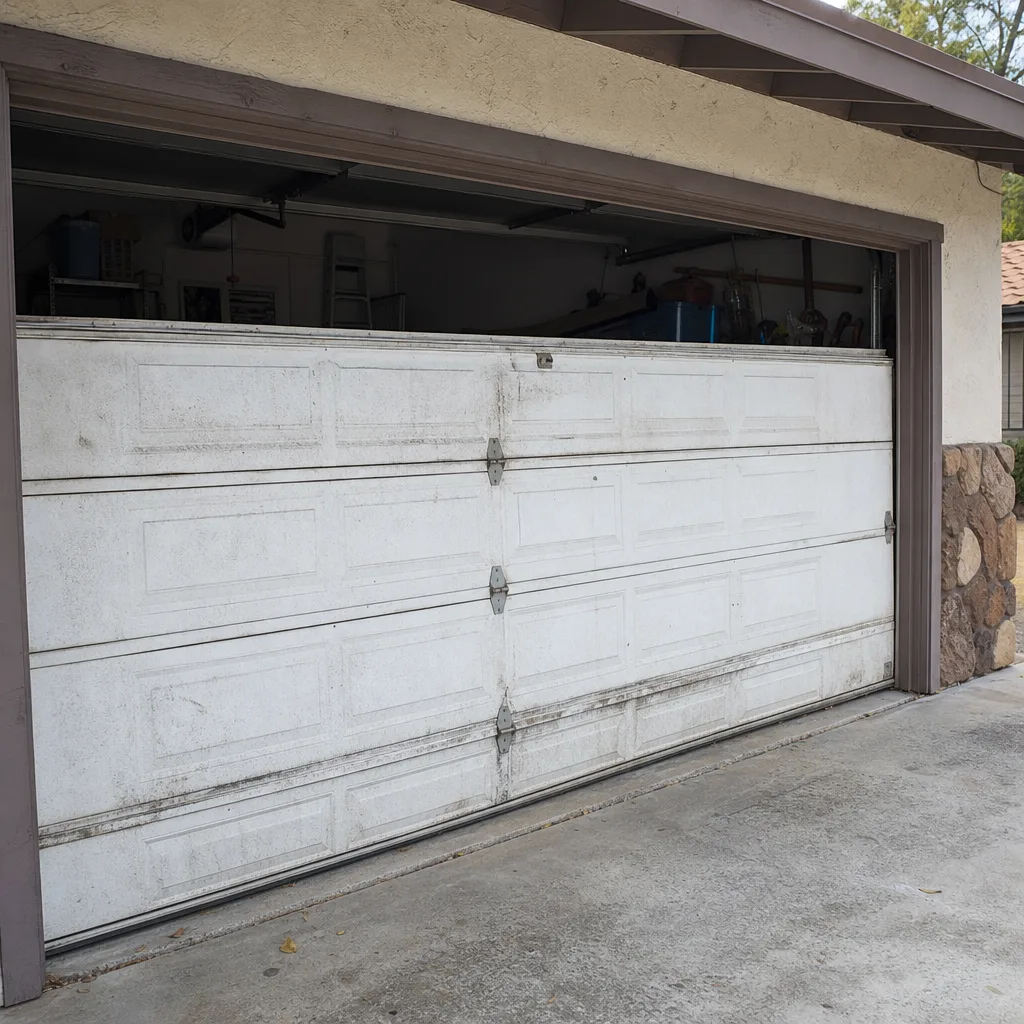 Before
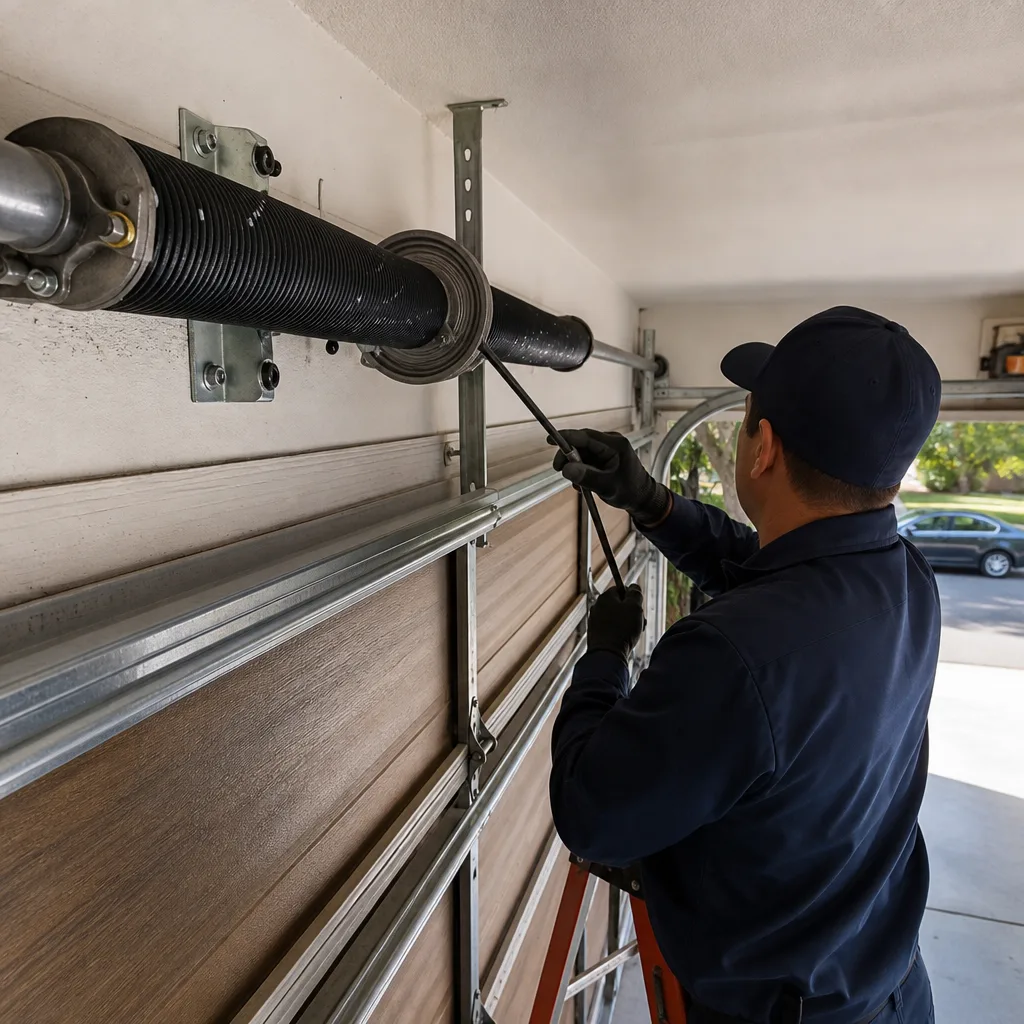 After
After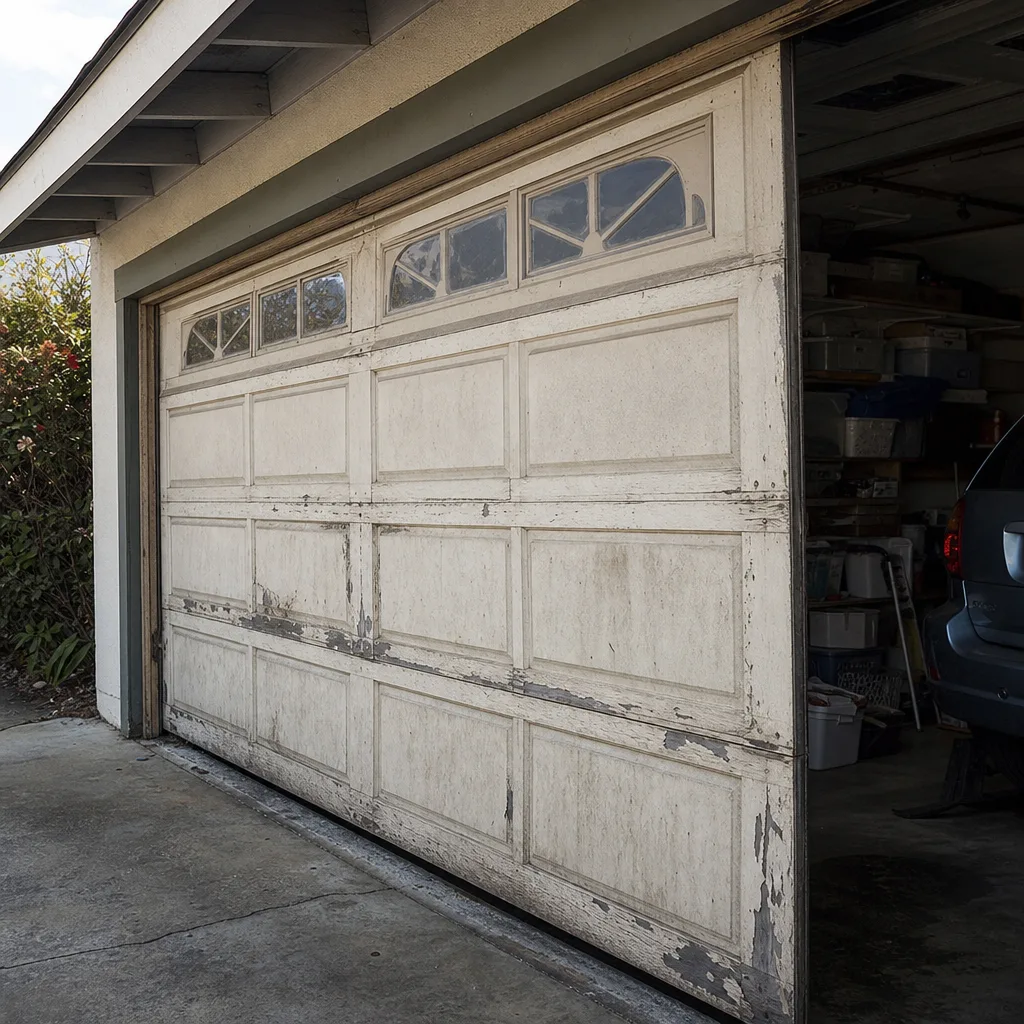 Before
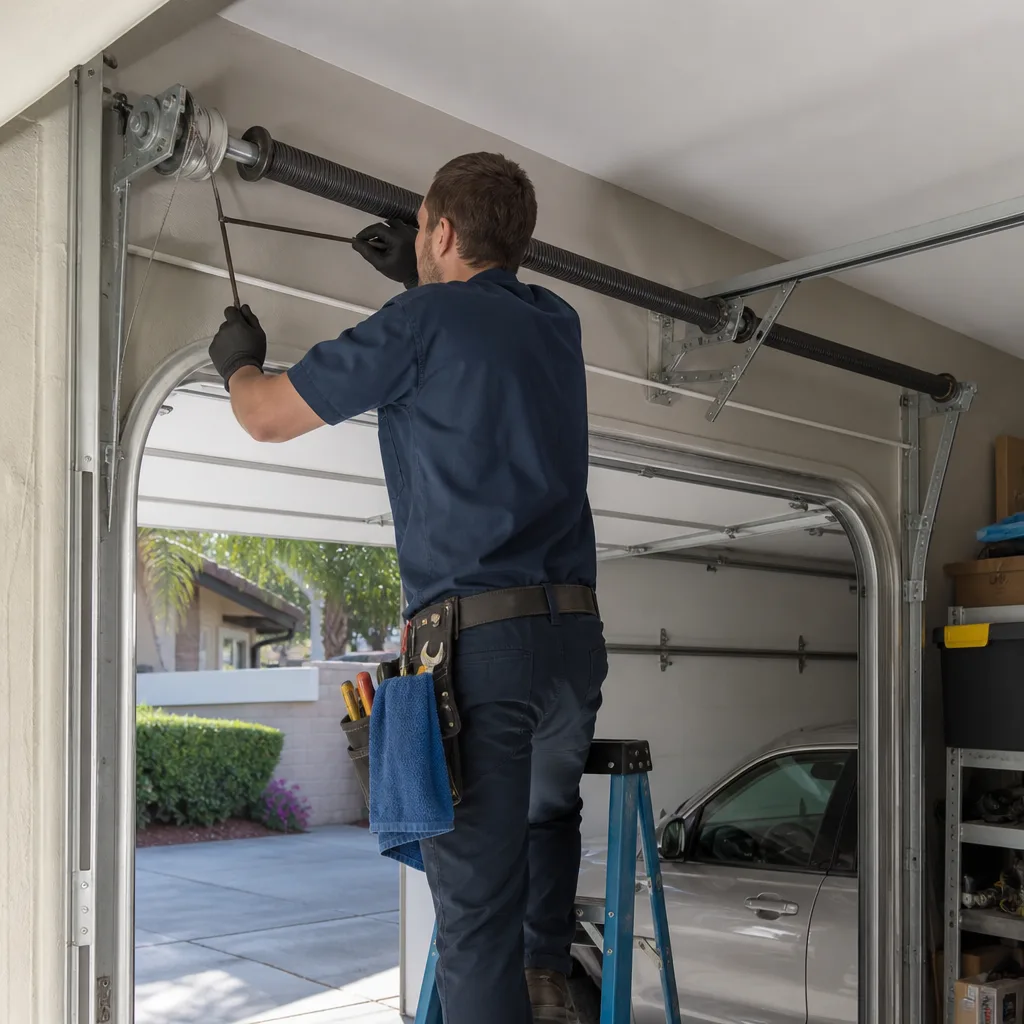 After
AfterDIY or Call Us?
A bottom weather seal is one of the few garage door parts a careful homeowner can often replace without real risk. There are no springs under tension involved in the seal itself, and you are not working at height or around moving parts if you follow the basic rule of disconnecting the opener and working with the door fully closed. The honest catch is that sliding a new T-seal through a 16-foot retainer without kinking it, especially when the old one has left behind hardened rubber fragments, is fussier than it looks in a video. Spraying lubricant helps, but it also makes the seal slippery enough to slide back out if you don’t get it seated evenly.
The places we regularly get called in to fix a DIY attempt: seals installed backwards, seals cut too short at one end, and retainers that were bent by prying out the old seal with a screwdriver. If the job is fighting you, that’s the moment to call (831) 318-5791. There’s a live person on the line day or night, and we’ll give you a price for the visit before we come out.
FAQs
A Raynor weather seal in our climate lasts 4 to 7 years on average, with doors that get full afternoon sun on a south-facing garage in places like Irvine or Mission Viejo trending toward the shorter end. The UV breaks down the rubber’s elasticity even without extreme heat, which is why a seal can look fine until you press on it and it crumbles. One checkable reality: seals on doors that get shaded for most of the afternoon routinely outlast identical seals on exposed doors by two or more years, so your house’s orientation affects the number we see.
A torn weather seal cannot be reliably repaired, because patching rubber along a high-flex seam always fails; the movement of the door flexes that patch on every cycle until it splits again. The right repair is a new seal, and the good news is that it is one of the least expensive fixes on a Raynor door. Call (831) 318-5791 for an exact quote, estimates are free.
Most weather seal replacements take 30 to 45 minutes, including removing the old seal, cleaning the retainer channel, installing the new seal, and testing the door close. When the retainer channel also needs replacement, expect up to an hour and a half, and we’ll tell you before starting, with the price written down first.
Yes, we stock both T-style and bulb-style seals in standard residential lengths, plus replacement retainer channels, so the work is done in one visit in most cases. The only time we’d need a second visit is for an unusually wide custom door, and we’ll tell you that on the phone before you schedule.
Call Us for a Straight Answer
If you’re looking at a crusted seal under your Raynor door and wondering whether it’s worth the call, it usually is. This is a small, specific fix, and the difference between a seal that lays flat against the concrete and one that was close enough is the difference between a dry garage and a musty one. We’ll look at your floor, point out exactly what failed and why, and hand you a written price before anything is touched. Call (831) 318-5791, any hour, and a person will pick up.
Written by Jesse Calder, Owner, Fernbrook Garage Doors Orange County at Fernbrook Garage Doors Orange County, serving Orange County and nearby areas.