
Last updated October 17, 2026
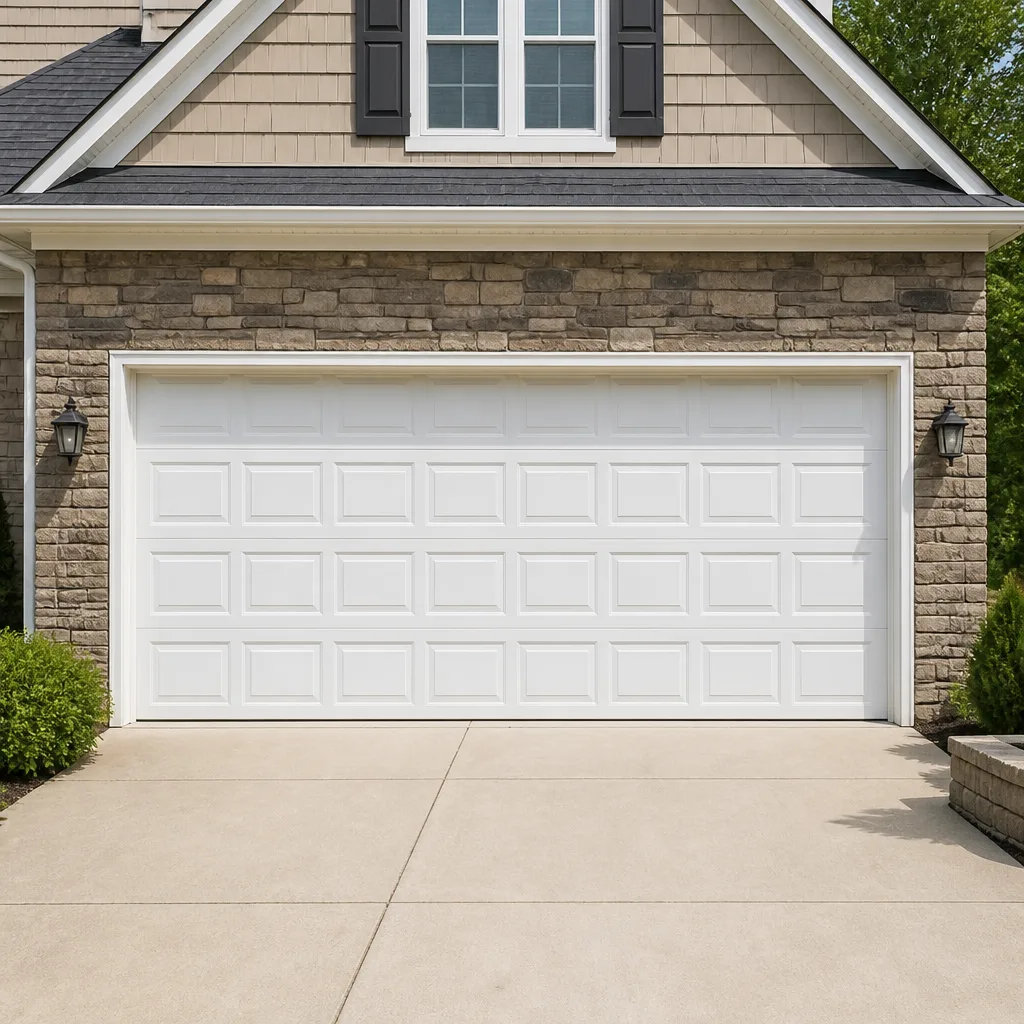 Raised-panel steel
 Carriage house
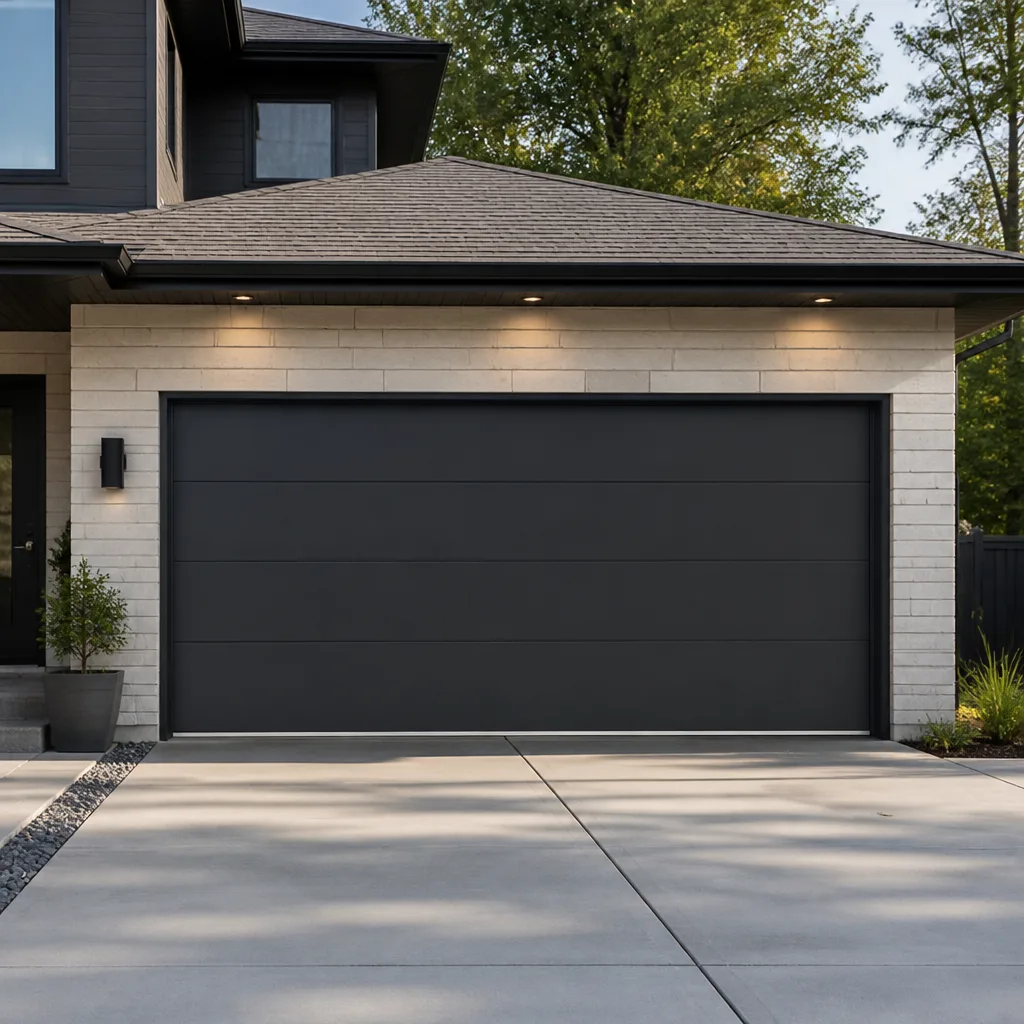 Modern flush
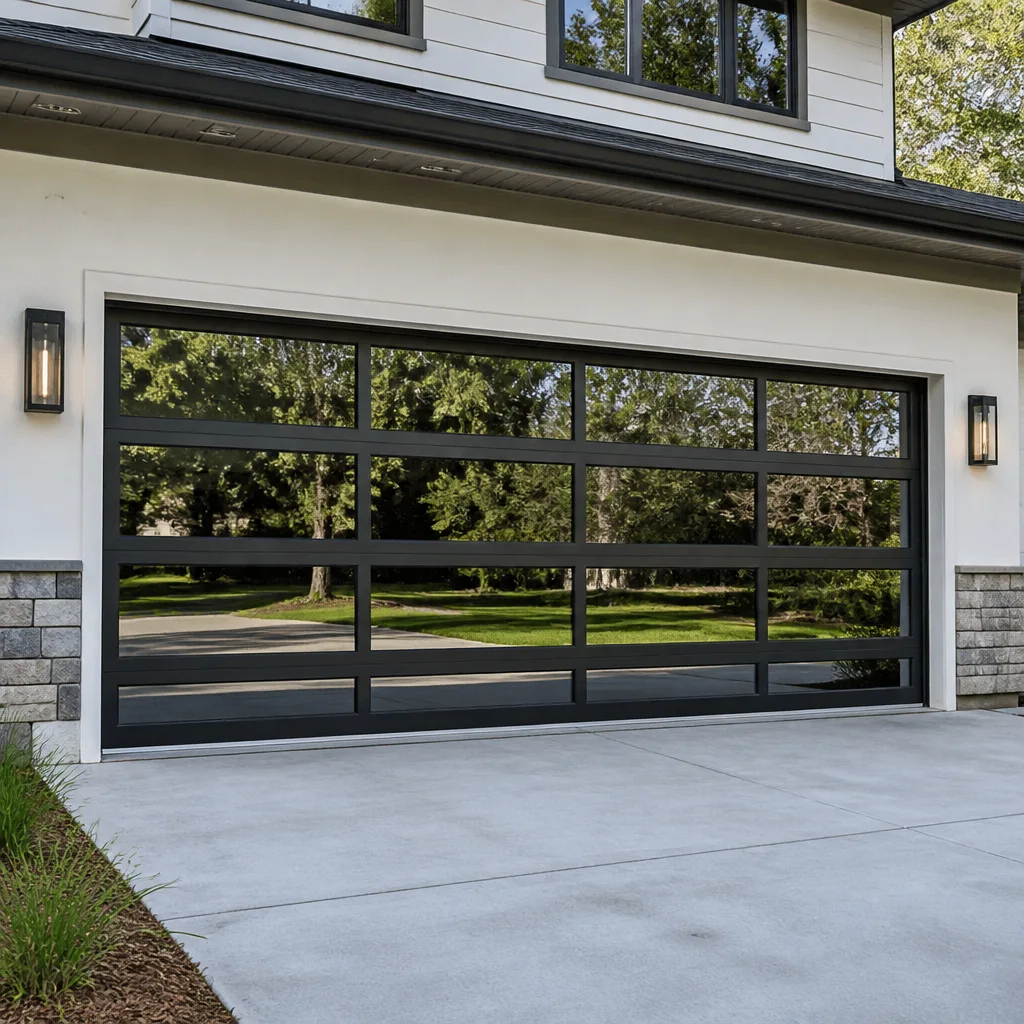 Full-view glass
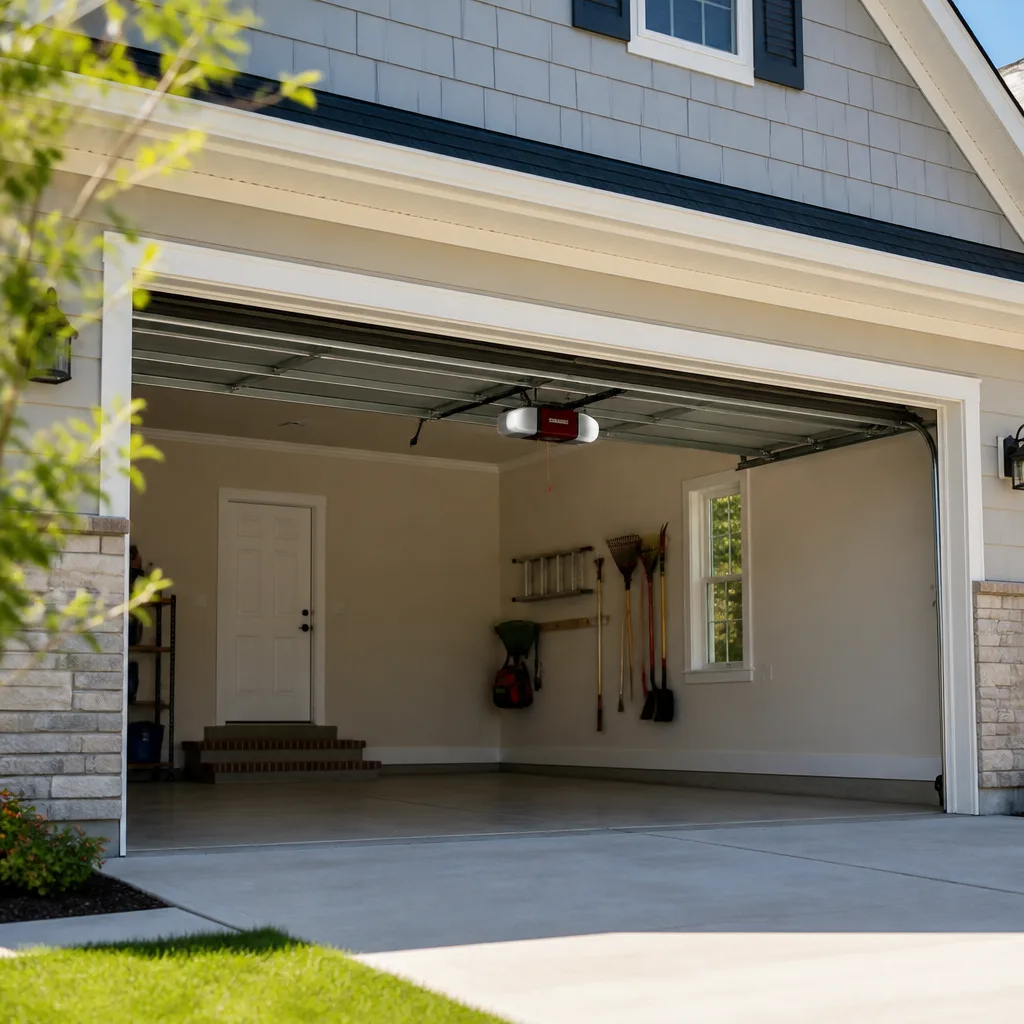 LiftMaster openers
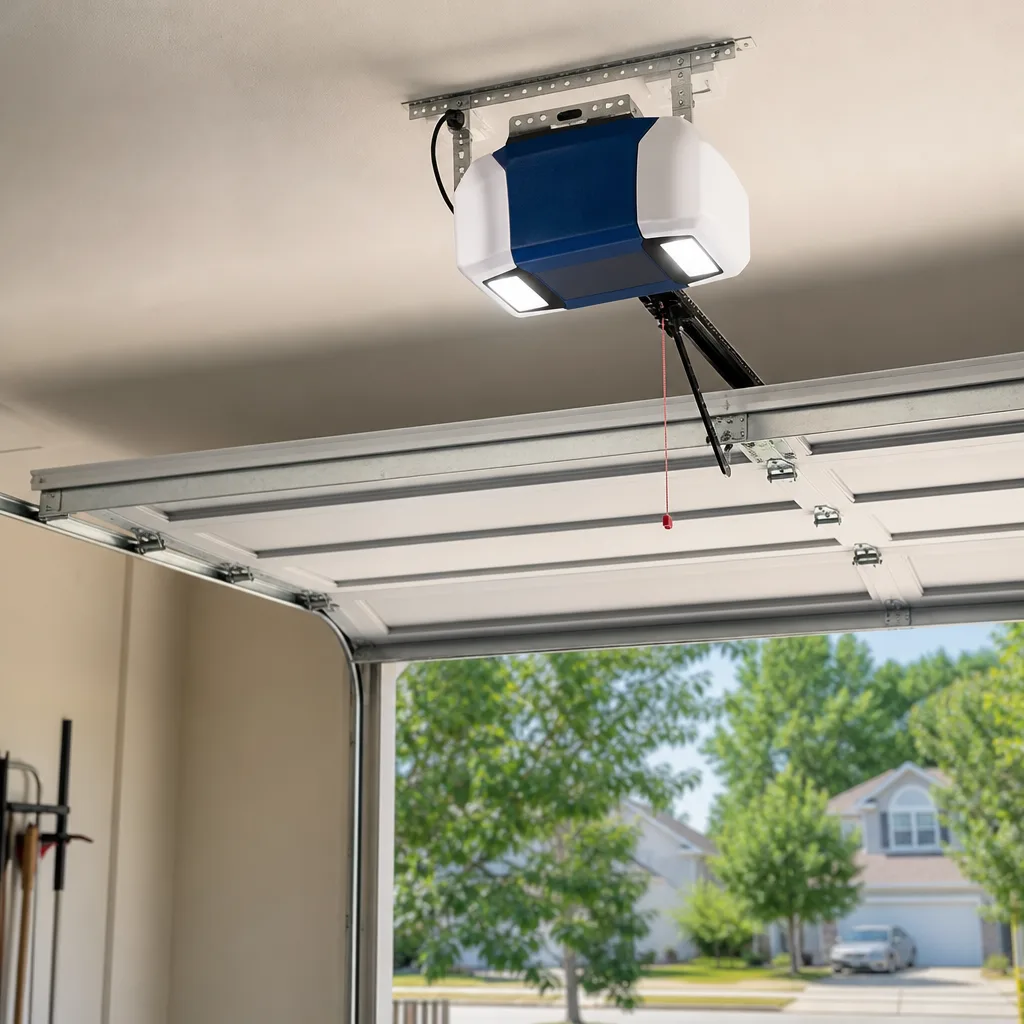 Chamberlain openers
Full 25-point door and opener safety check with every visit - springs, cables, rollers, tracks, and your LiftMaster or Chamberlain opener included
You get a price before we start. It does not change when the truck arrives.
Get your free estimateSeasonal Garage Door Care for Orange County: Year-Round Homeowner’s Guide
Orange County homeowners rarely think about their garage door until it makes a sound it shouldn’t. But here’s what twenty-plus years of service calls in this county have taught us: the mild climate that makes Orange County so livable is also what quietly wears out garage doors faster than almost anywhere else in Southern California. Coastal humidity, inland heat, and those October Santa Anas each put their own distinct stress on your door’s hardware. This guide walks you through the four seasonal stress windows we see in Orange County, what to check during each one, and the simple maintenance rhythm that keeps a $3,000 door system running smoothly for two decades instead of twelve years. For The Complete Guide to Garage Door in Orange County, see our full resource.
Styles & brands we work with
Quick Answer
Seasonal garage door maintenance in Orange County means checking four distinct stress periods: June Gloom condensation on metal parts, July through September inland heat expansion, October through December Santa Ana debris and threshold wear, and January through March marine layer corrosion. Most homeowners can handle the basic visual checks and lubrication in about 30 minutes per season. A professional tune-up once a year, ideally scheduled in April or May, catches the hardware issues that shorten a door’s life before they become $400 spring replacements.
Table of Contents
- Why Orange County Has Four Garage Door Seasons (Even Without Snow)
- June Gloom: Condensation and What It Does to Hardware
- July Through September: Inland Heat and Thermal Cycling
- October Through December: Santa Ana Winds and Debris
- January Through March: Marine Layer and Surface Corrosion
- When to Schedule a Professional Tune-Up in Orange County
- The Garage Door Maintenance Log Your Technician Will Thank You For
- Common Mistakes to Avoid
- When to Call a Professional
- Frequently Asked Questions
- The Bottom Line
Key Takeaways
- Orange County garage doors fail from corrosion, thermal cycling, and debris impact, not freezing temperatures.
- Four distinct seasonal windows each demand a specific 15 to 30 minute check.
- Lithium grease on roller stems, not the track, is the single most effective DIY maintenance task.
- Inland zip codes like 92869 and 92705 see faster hardware loosening than coastal homes because of daily temperature swings.
- A written maintenance log gives your technician immediate diagnostic context and often cuts service time in half.
- Schedule professional tune-ups in April or May, when temperatures are mild and technician availability is best.
Why Orange County Has Four Garage Door Seasons (Even Without Snow)
Most garage door maintenance advice online is written for places with freezing winters and humid summers. Orange County doesn’t have either, so homeowners here reasonably assume their doors need less attention. The data from our service calls across Garage Door Repair in Orange County tells a different story. What we see is a pattern of four distinct stress periods that map to Orange County’s microclimates, not traditional seasons.
The reason is simple: garage door hardware is designed to work within a predictable temperature and humidity range. Orange County’s coastal influence means moisture cycles that accelerate corrosion. Its inland valleys mean daily temperature swings of 30 degrees or more that stress metal components differently than a slow seasonal shift would. And its wind patterns, the Santa Anas especially, introduce abrasive debris that coastal homeowners in other regions never deal with.
Put another way: a garage door in Minneapolis gets one hard season, winter, and then a predictable thaw. A garage door in Orange County gets four smaller, less obvious stress windows that collectively do more damage to the moving parts. The good news is that each window has a specific, quick maintenance response. Here is what to do in each one.
Throughout this guide, we reference the practices that Fernbrook Garage Doors Orange County home technicians use on their own service calls, so you’re getting the same checklist logic a professional would apply to your door.
June Gloom: Condensation and What It Does to Hardware
Every year, from roughly late May through early July, Orange County’s coastal areas wake up to the marine layer the locals call June Gloom. It burns off by midday, but during those morning hours, relative humidity near the coast can hit 80 percent or higher. For a garage door, that means condensation forming on bare metal surfaces: springs, hinges, roller stems, track brackets, and the opener rail.
Condensation matters because most garage door parts are not stainless steel. They are zinc-plated or powder-coated steel, and those coatings fail slowly when exposed to repeated moisture cycles. The result is surface rust that, left unchecked, works its way into moving joints and accelerates wear. In our experience, coastal homes from Seal Beach down through Newport Beach and Laguna show noticeably more spring and hinge corrosion than homes just five miles inland, even within the same model year of door.
What to Check During June Gloom
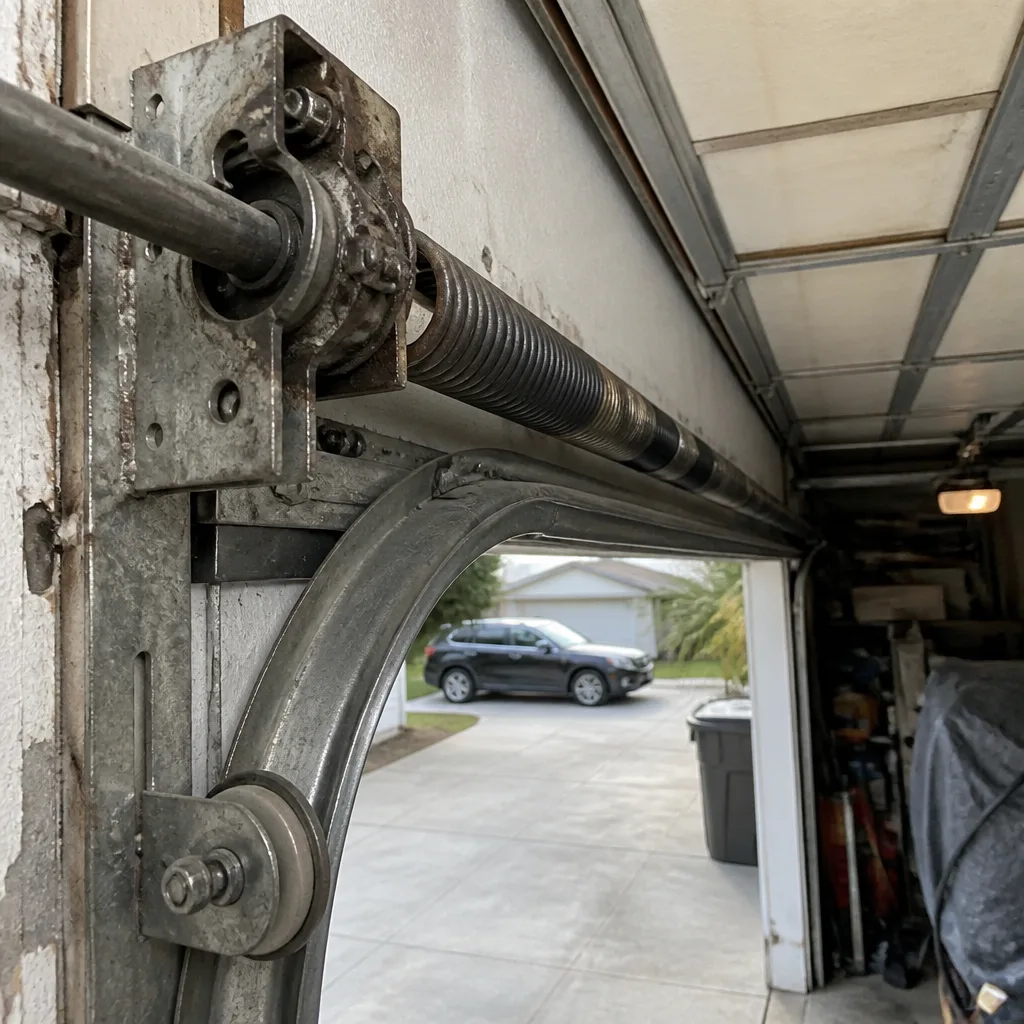
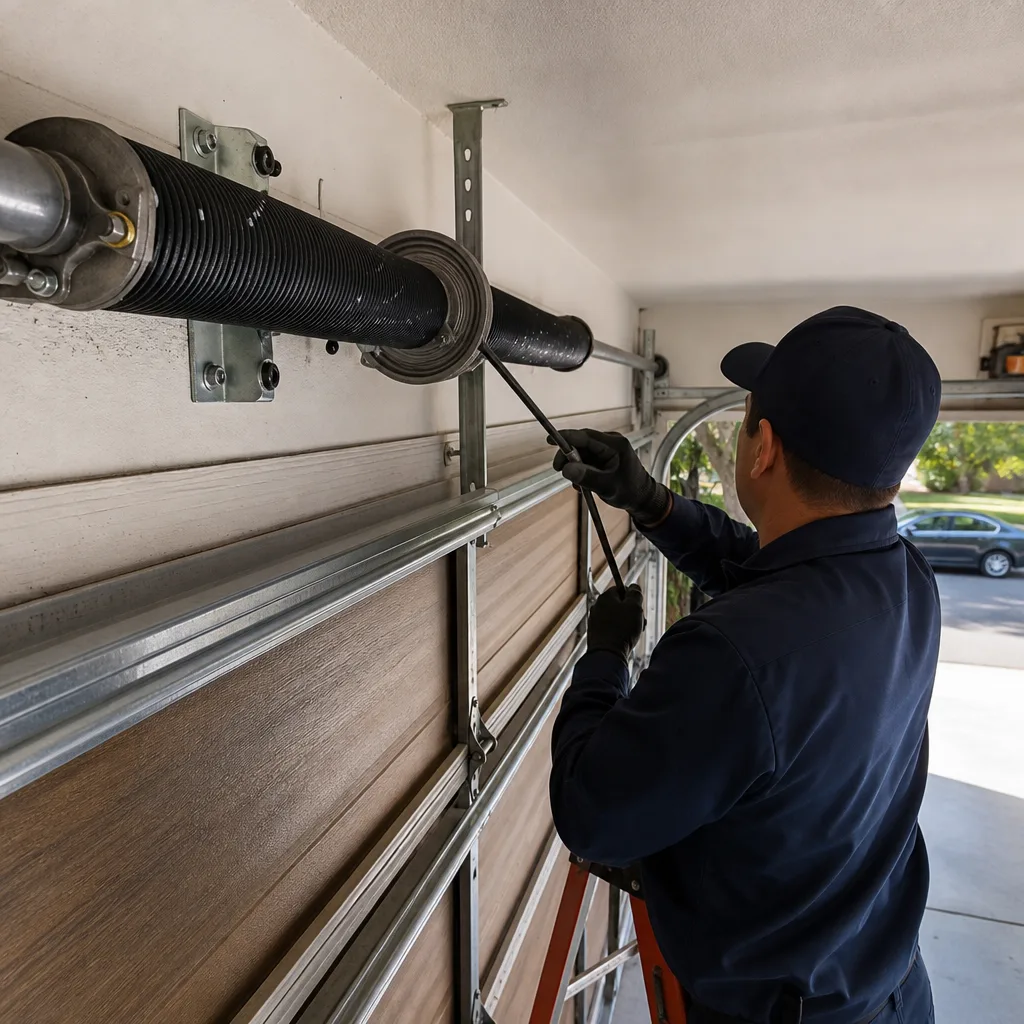
- Inspect torsion springs for rust bloom. Look for reddish-brown dots or a dulling of the spring’s sheen. A small amount of surface rust is cosmetic, but if the coils feel rough to the touch, the spring’s internal stress points are compromised.
- Wipe down exposed metal with a dry cloth. Do this in the morning when condensation is present, before it evaporates. The goal is to remove standing moisture, not to polish the metal.
- Check roller stems for oxidized grease. If the grease around the roller stem looks tan, chunky, or dried instead of clear and smooth, it is absorbing moisture and needs to be refreshed.
- Listen for a squeak on your next open-close cycle. Condensation that reaches the bearing surface between roller and stem creates a high-pitched sound that disappears as the day warms. That sound is your signal to re-lubricate.
The whole check takes about 15 minutes. The key is consistency: do it twice during the June Gloom window, once in early June and once in late June, because the moisture pattern persists for weeks.
July Through September: Inland Heat and Thermal Cycling
While the coast enjoys moderate summer temperatures, Orange County’s inland communities, Anaheim, Orange, Santa Ana, Irvine’s eastern edge, and the foothills below the Cleveland National Forest, routinely see daytime highs above 90 degrees from July through September. What matters for garage doors is not the peak temperature itself but the daily swing. A metal garage door panel that starts the day at 62 degrees and reaches 105 degrees by mid-afternoon expands measurably. Multiply that expansion across the width of a 16-foot door and the panels flex, the hinges carry more load, and the track brackets that hold everything to the wall take on stress they were not installed for.
This is what we call thermal cycling, and it is the primary reason inland Orange County garage doors loosen their hardware faster than coastal ones. In our service calls to zip codes like 92869 in Orange and 92705 in Santa Ana, we regularly find hinge bolts and track bracket lag screws that have backed out a quarter turn simply from months of expansion and contraction. Left uncorrected, that looseness causes the door to drift slightly in the track, which then accelerates roller wear and eventually throws off the cable tension.
The One Bolt to Check Quarterly
If you check only one thing during the summer months, make it the lag screws on the vertical track brackets. These are the large screws that hold each curved track section to the wall framing. In thermal-cycling zones, they are the first fasteners to loosen. Here is the step-by-step:
- Close the garage door completely. You want the track in its resting position.
- Check each lag screw on the vertical and curved track sections. There are typically four to six per track side. Put a wrench or socket on each one and apply gentle clockwise pressure. If it moves at all, it needs to be snugged.
- Tighten until the screw head is flush against the track bracket. Do not overtighten. The goal is to remove play, not to compress the bracket into the wall material.
- Check hinge bolts along the door panels. These are smaller, often 5/16-inch or 3/8-inch hex heads on each hinge plate. Snug any that have loosened.
This is a 10-minute job. Do it every three months if you live east of the 55 freeway, and monthly if your garage door faces west and takes direct afternoon sun.
October Through December: Santa Ana Winds and Debris
Santa Ana winds begin in Orange County around October and can continue intermittently through December. These offshore winds, dry and gusting at 30 to 50 miles per hour in the foothill corridors, carry fine dust, sand, and small plant debris. For garage doors with weatherstripping along the bottom threshold and the side jambs, this is the season when those seals take their hardest beating.
The two specific issues we see during Santa Ana season are threshold seal lifting and dry debris accumulation in the bottom track. The first happens when gusting wind catches the edge of a rubber bottom seal that has already begun to curl from summer heat, lifting it away from the concrete and creating a gap. The second happens more subtly: fine dust and sand particles settle into the track and mix with the grease on the rollers, forming an abrasive paste that grinds roller bearings and scores the track surface over time.
Santa Ana Season Checklist
- Inspect the bottom threshold seal for curling or gaps. Run your hand along the seal where it meets the garage slab. It should sit flat and make even contact across the full width. If any section has pulled away, that is where wind-driven dust enters.
- Clean the bottom track channels. Use a shop vacuum with a narrow nozzle to remove sand and dust from both horizontal track sections. Do not lubricate the track itself, that attracts more debris. The track should be clean and dry.
- Check the rubber side jambs for wind damage. These flexible strips run along the outside of the vertical track. High winds can bend them backward, leaving a gap that lets in dust and heat. If one is bent, it often re-forms when gently pressed back into place, but a permanently bent jamb needs replacement.
- Run a full open-close cycle and listen for grinding. If you hear a sandy, scraping sound, stop the cycle and re-clean the track. Continuing to operate the door with abrasive debris in the track is like running sandpaper over the roller bearings.
For homeowners in the foothill communities, Anaheim Hills, Villa Park, North Tustin, and the canyons off the 241, this checklist matters more. Those homes sit directly in the wind corridors and see the most debris impact of any Orange County neighborhoods.
January Through March: Marine Layer and Surface Corrosion
Orange County’s winter marine layer is different from June Gloom. It arrives in the evening, sticks around through the morning, and often brings actual drizzle or light rain. Combine that sustained moisture with the cooler nighttime temperatures of January and February, and you get the longest uninterrupted wet-metal exposure of the year. This is the season when surface corrosion on garage door hardware accelerates most quickly.
The parts most affected are the torsion springs, the cable drums, and the bottom panel, which sits closest to the moisture that seeps under the garage door. Springs are the priority because they are under constant high tension, and even minor surface pitting creates stress risers that can lead to premature spring failure. This is also the season when we see the most Garage Door Spring Repair in Orange County calls, not because springs snap more often in winter, but because the corrosion that started during the winter months weakens them just enough that the first real heat of spring finishes the job.
Winter Corrosion Prevention Steps
- Apply a light coat of lithium grease to springs, hinges, and roller stems. This is a protective layer against moisture, not just a lubricant. Use a white lithium grease spray and wipe off any excess with a rag. A thin film is better than a thick coat, which collects dust.
- Wipe down the bottom panel exterior after rain. If your door faces the ocean or sits on a slab that slopes toward the house, standing water at the threshold accelerates panel rust. A quick wipe after wet mornings helps.
- Check for rust blooms on the cable drums. These are the spooled wheels at each end of the torsion bar. If they show red rust, dry them thoroughly with a cloth and apply a thin coat of grease to the drum face only, never to the cable itself.
- Operate the door once daily even if you do not park in the garage. Movement distributes the protective grease film and prevents the rollers from developing flat spots from sitting in one position through the wet season.
For homes within about three miles of the coast, from Huntington Beach to San Clemente, step one should be done monthly from January through March. The salt air that accompanies the marine layer is a faster corrosion agent than plain moisture alone.
When to Schedule a Professional Tune-Up in Orange County
Most homeowners wait until something breaks to call a technician. The smarter approach is to schedule an annual tune-up during the one window when Orange County weather is most cooperative and service availability is best: April through mid-May. Here is why that specific window works.
First, the winter moisture has been drying out for several weeks, so a technician can see the full extent of any corrosion that developed over the wet season and treat it before summer heat amplifies the damage. Second, the summer thermal cycling season has not yet started, so hardware is in its most stable state, which makes calibrating spring tension and cable balance more accurate. Third, April and May are the slow season for emergency calls. A tune-up scheduled during this window typically gets scheduled faster and performed under more temperate working conditions than a mid-summer or winter appointment.
Here is what a professional tune-up in Orange County should include at minimum:
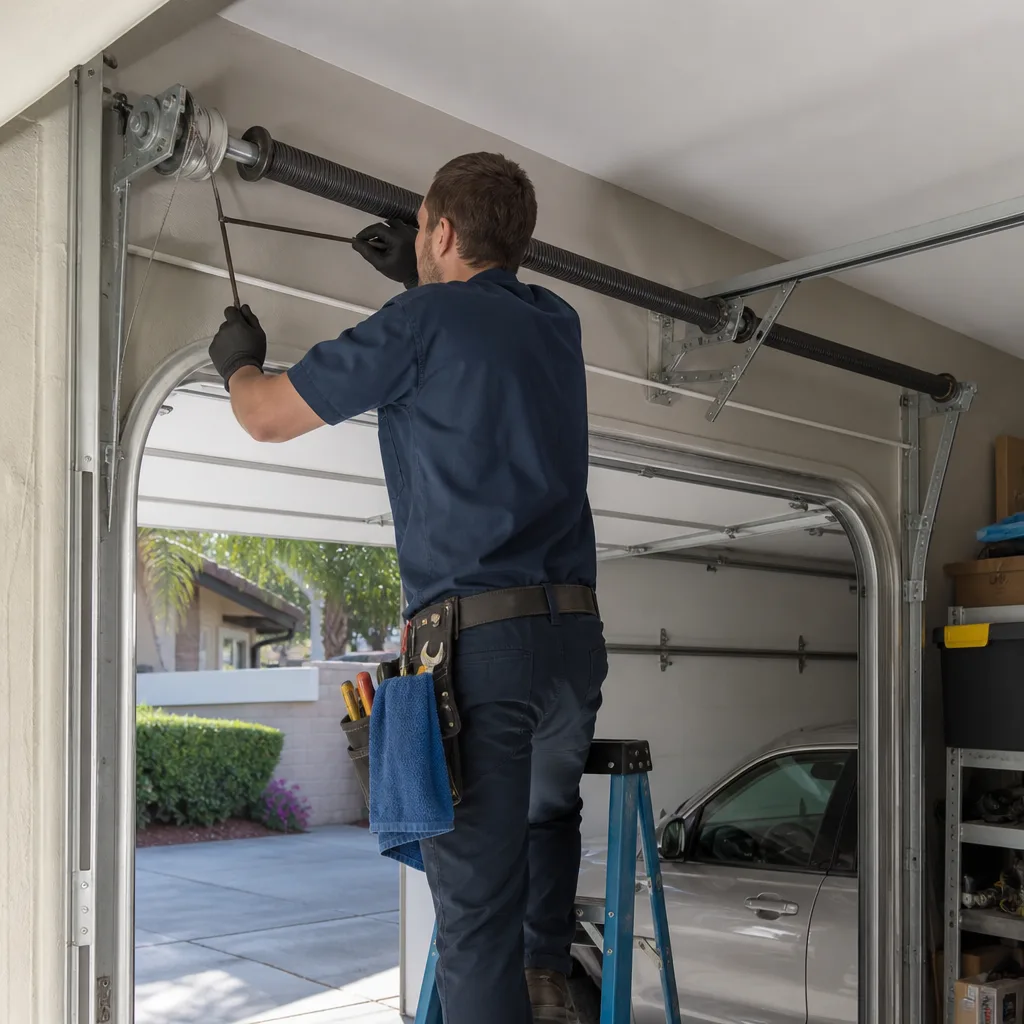
- Inspection of both torsion or extension springs for wear, rust, and proper tension balance
- Lubrication of all moving parts with an appropriate garage-door-specific grease, not a general household spray
- Tightening of all track brackets, hinge bolts, and roller stem fasteners
- Track alignment check and adjustment
- Photo eye safety sensor alignment and cleaning
- Opener force and travel limit testing
- Bottom threshold seal inspection
- Full open-close cycle with sound and speed evaluation
If you are replacing rather than maintaining, the Garage Door Installation in Orange County process is a separate conversation, but a tune-up is the right annual checkpoint for most existing doors. Expect to pay between $89 and $149 for a professional tune-up in Orange County, with some companies charging more if the door is severely neglected and requires additional work.
The Garage Door Maintenance Log Your Technician Will Thank You For
The single most useful thing an Orange County homeowner can do for their garage door, beyond the seasonal checks themselves, is keep a simple written log. This is not a complex spreadsheet. It is a piece of paper taped to the wall next to the opener, or a note on your phone. The purpose is to create a running record of what you noticed, when you noticed it, and what you did about it.
When a technician arrives for a service call, that log gives them context that would otherwise take thirty minutes of questioning to reconstruct. A note that says “February 12: heard a faint squeak on first open of the morning, disappeared after opening fully” tells a technician exactly which component to inspect first, often cutting the diagnostic time in half.
What to Record
- Date. Always, even if nothing else changes.
- Task performed. Example: “Wiped condensation from springs. Greased roller stems with lithium.”
- Sound noted. Any new squeak, rattle, grinding, or thump, and when it occurs (opening, closing, mid-travel, only in the morning).
- Visual observation. Rust spots, bent track, loose screws, gap under the door.
- Product used. Note the brand and type of lubricant or cleaner, if any.
Here is a sample entry:
Date: March 8
Task: Wiped springs and drums, applied lithium grease to roller stems, cleaned bottom track with vac.
Sound: Light rattle from left panel during closing, not severe.
Visual: Surface rust on right torsion spring, small.
Product: White lithium grease spray.
That entry takes 60 seconds to write and gives any future technician, whether it is us or another company, a clear picture of what has been happening between professional visits.
Common Mistakes to Avoid
- Lubricating the track itself. The track is designed to run dry. Grease on the track attracts dust and sand, especially during Santa Ana season, and creates the abrasive paste that destroys roller bearings. Lubricate only the roller stems, hinges, springs, and bearing plates.
- Using WD-40 as a garage door lubricant. WD-40 is a water displacer and light penetrant, not a lubricant for high-load moving parts. It evaporates quickly and leaves metal surfaces with less protection than they had before. Use white lithium grease or a silicone-based garage door lubricant.
- Skipping winter checks because the door still works. A garage door can operate fine while corrosion quietly works its way into the springs and cable drums. By the time you hear the problem, the underlying damage is months old.
- Ignoring a slowly sagging or drifting door. If your door starts to drift down after opening, or hangs unevenly in the opening, that is the beginning of a spring tension problem. Waiting until the door refuses to open turns a $200 spring adjustment into a $400 spring replacement.
- Over-tightening track bolts during seasonal checks. Snug is enough. Cranking lag screws and hinge bolts until they cannot move distorts the track alignment and creates the exact problem you are trying to prevent.
- Mechanically forcing an unbalanced door open or closed. If the door feels heavier than usual or will not move smoothly under its own power, do not force it. The added stress on already compromised parts, especially cables under tension from a weakening spring, can cause a cable snap. Release the opener and call a technician.
When to Call a Professional
Some garage door work is safe and appropriate for a careful homeowner. The checks and lubrication tasks in this guide fall into that category. Other work is not. See our DIY vs Professional Garage Door: The Orange County Homeowner’s Decision Guide for help deciding. If you notice any of the following, call a professional rather than attempting a fix yourself: a torsion spring that is visibly rusted or has a visible gap in the coil (high-tension springs carry enough stored energy to cause serious injury if mishandled), a door that hangs unevenly or sags on one side, fraying or broken lift cables, visible cracks or tears in the door panels, or any grinding or scraping sound that persists after the track has been cleaned. Fernbrook Garage Doors Orange County offers free estimates throughout Orange County. Call (831) 318-5791 and a live person will answer, any time, day or night.
Frequently Asked Questions
A professional garage door tune-up in Orange County typically costs between $89 and $149, depending on the company and the condition of the door. For detailed pricing, see our Garage Door Cost Breakdown: The Orange County Homeowner’s Reference for 2026. Routine maintenance parts like lithium grease and replacement weatherstripping cost under $40 if you do the work yourself. If a tune-up reveals worn springs or damaged rollers, spring replacement in Orange County typically runs $180 to $340 per spring, and roller replacement $80 to $140 for a full set. Call (831) 318-5791 for an exact quote, estimates are free.
Lubricate roller stems, hinges, springs, and bearing plates every three months if you live within three miles of the coast, where salt air accelerates corrosion, and every four to six months inland where thermal cycling is the bigger issue. In coastal Orange County, adding an extra lubrication in January or February during the marine layer season extends spring life noticeably. Never lubricate the track itself.
In most cases, yes. Because a live person answers the phone 24 hours a day, 7 days a week, we can often dispatch a technician the same day you call, particularly for spring failures and doors that will not open. Call (831) 318-5791 and describe what the door is doing and the technician will arrive prepared with the parts likely to be needed.
No. Fernbrook follows a written-price-before-work policy on every visit. The technician evaluates the door, explains what is needed, and hands you a written price before any repair begins. That price is the price, no exceptions. If additional issues are discovered during the repair, you are informed and quoted separately before any additional work proceeds.
Yes. Our technicians carry springs for the most common Orange County door models, rollers, cables, hinges, sensors, and weatherstripping, plus parts for LiftMaster, Chamberlain, and Genie openers. Most repairs are completed on the first visit. If a specialized part is needed for a less common door, the technician will tell you the expected timeline before ordering.
It can, if the door is not maintained with the local climate in mind. Homes within three miles of the coast see faster spring and hinge corrosion from the marine layer than inland homes do, while inland homes see faster hardware loosening from thermal cycling. Neither condition is fatal to a garage door, but both are progressive. The seasonal maintenance rhythm in this guide, with its emphasis on moisture management in winter and hardware tightening in summer, is designed specifically to offset both Orange County stress patterns.
The Bottom Line
Orange County garage doors do not fail from cold snaps or ice. They fail slowly, from marine layer corrosion on springs, Santa Ana debris grinding roller bearings, and inland thermal cycling loosening track hardware. The fix is not expensive or complicated. It is a rhythm: condensation checks in June, hardware tightening in August, track and seal cleaning in November, rust prevention in February, and one professional tune-up every April or May. Add a simple written log to the wall next to your opener, and you will give every future service call a head start. Browse our more guides & resources for additional maintenance tips. A garage door that gets this level of attention in Orange County will quietly outlast its neighbors by a decade.
When you want a professional set of eyes on the door, call Fernbrook Garage Doors Orange County at (831) 318-5791. A live person answers, the written price comes before any work, and the 365-Day Done Right Promise means the door stays right or we return and make it right.
Written by Jesse Calder, Owner at Fernbrook Garage Doors Orange County, serving Orange County since 2002.
See the difference
 Before
 After
After Before
 After
After Before
 After
After