
Last updated October 17, 2026
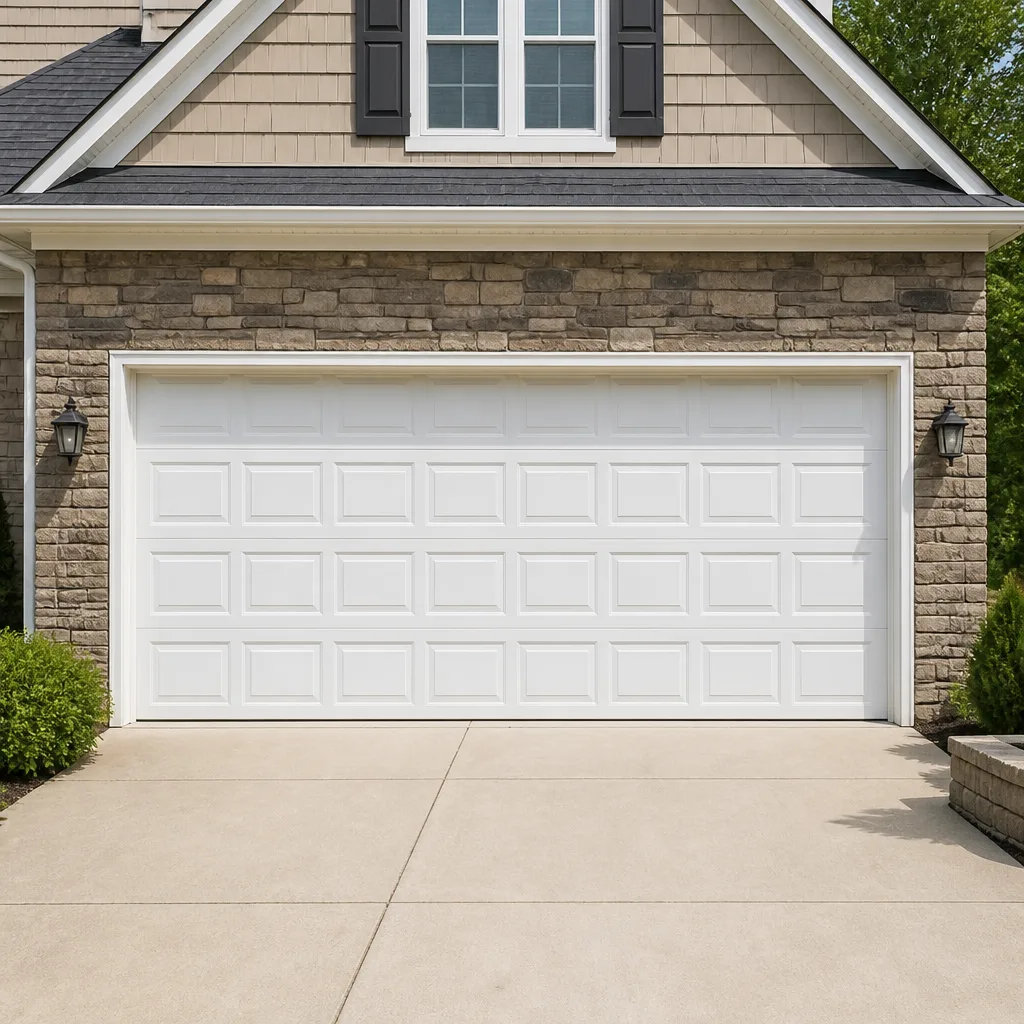 Raised-panel steel
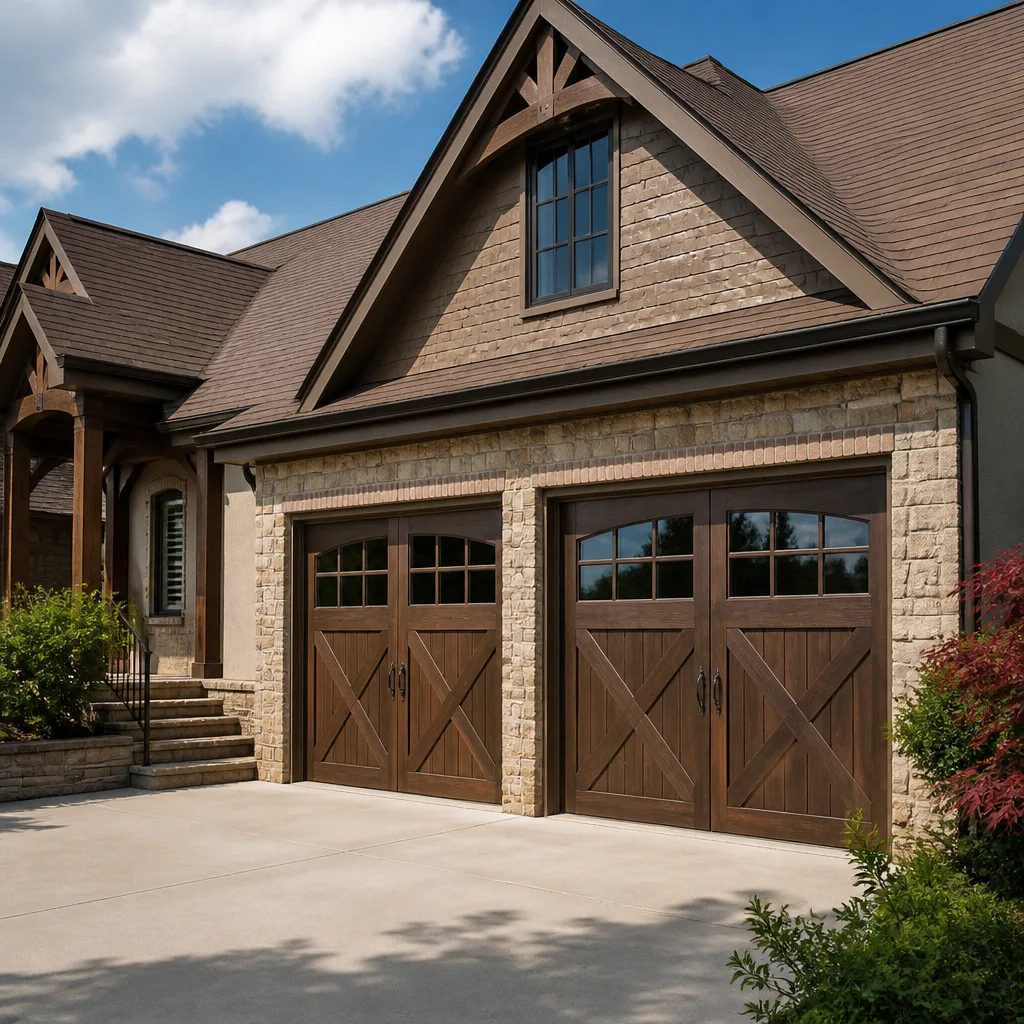 Carriage house
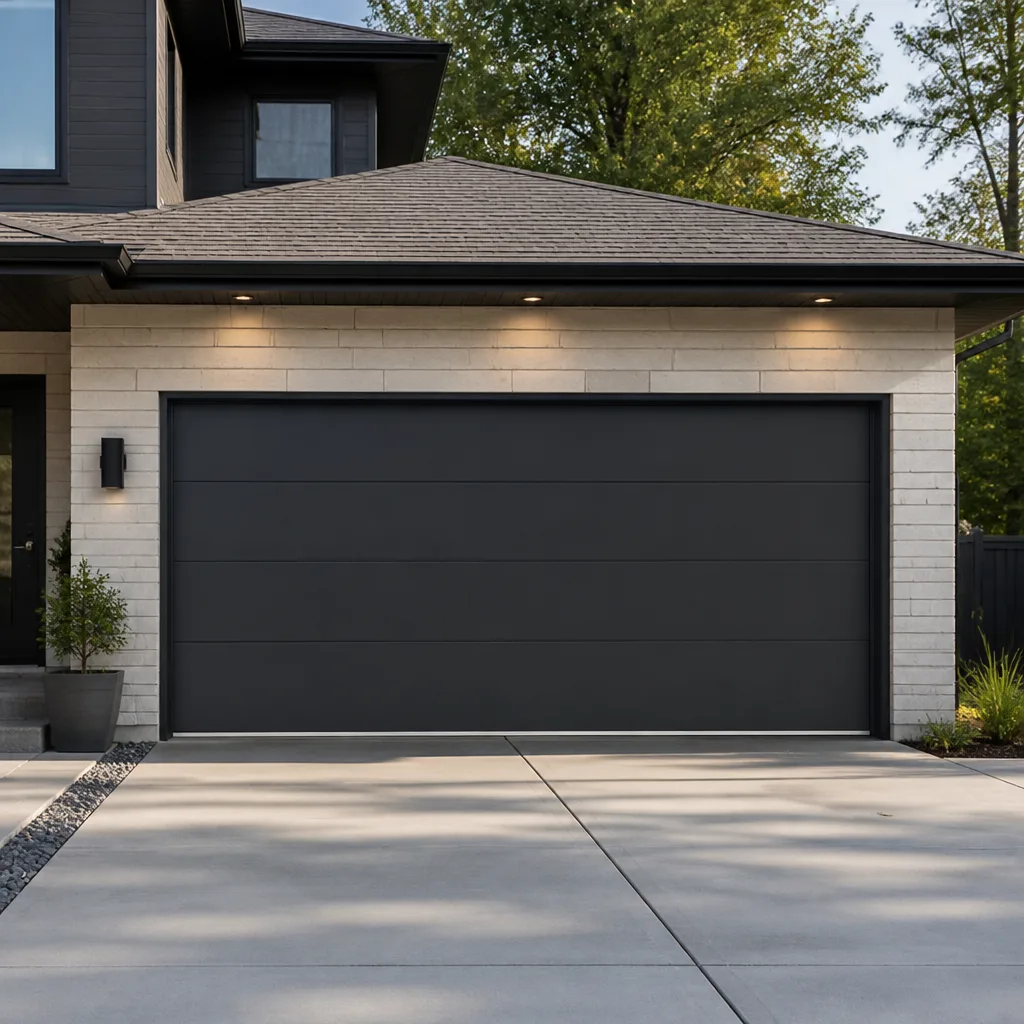 Modern flush
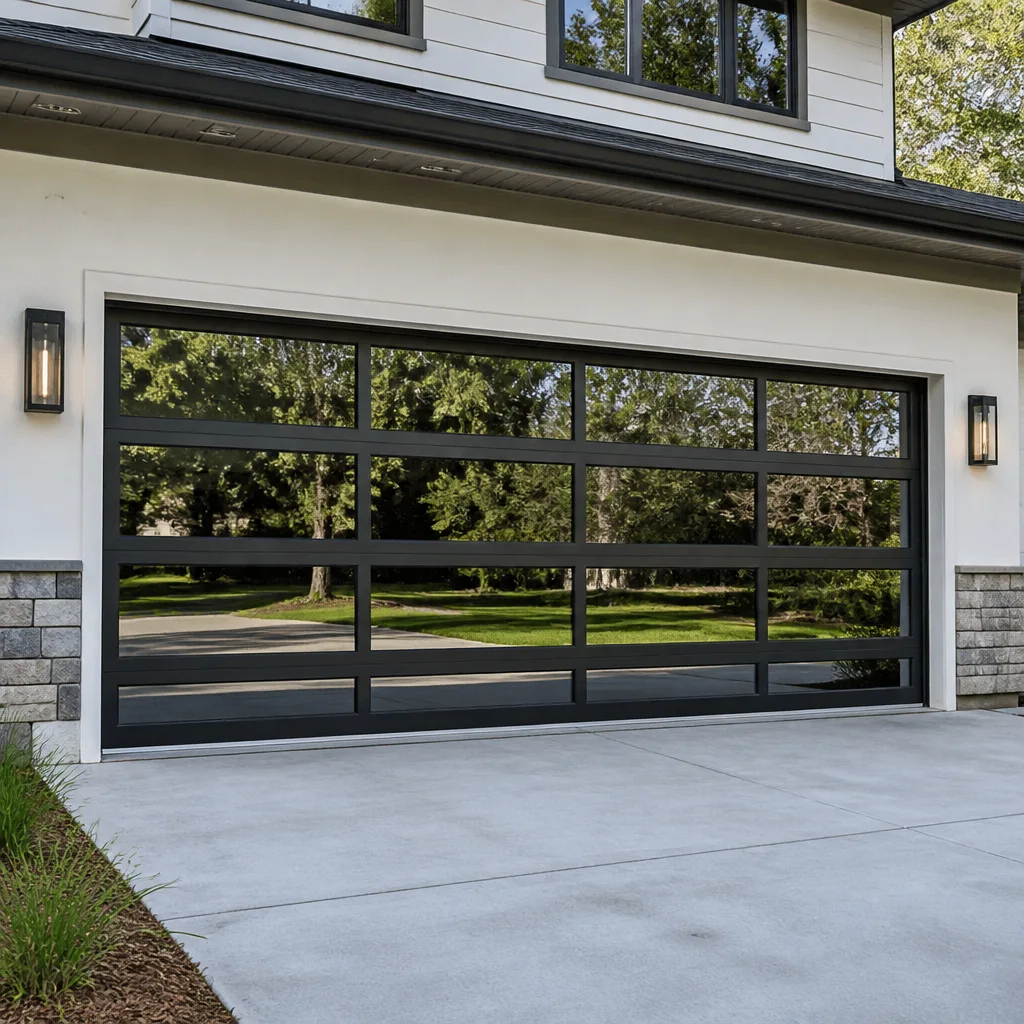 Full-view glass
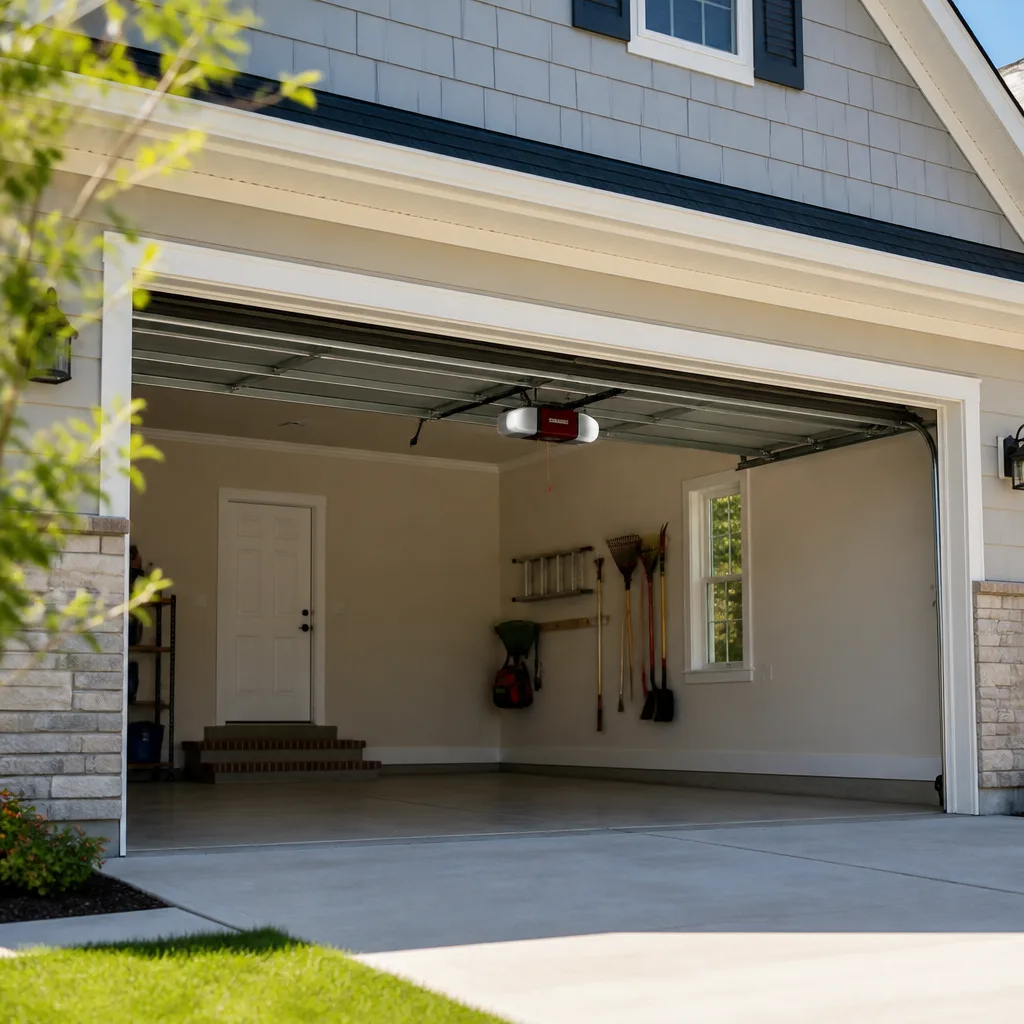 LiftMaster openers
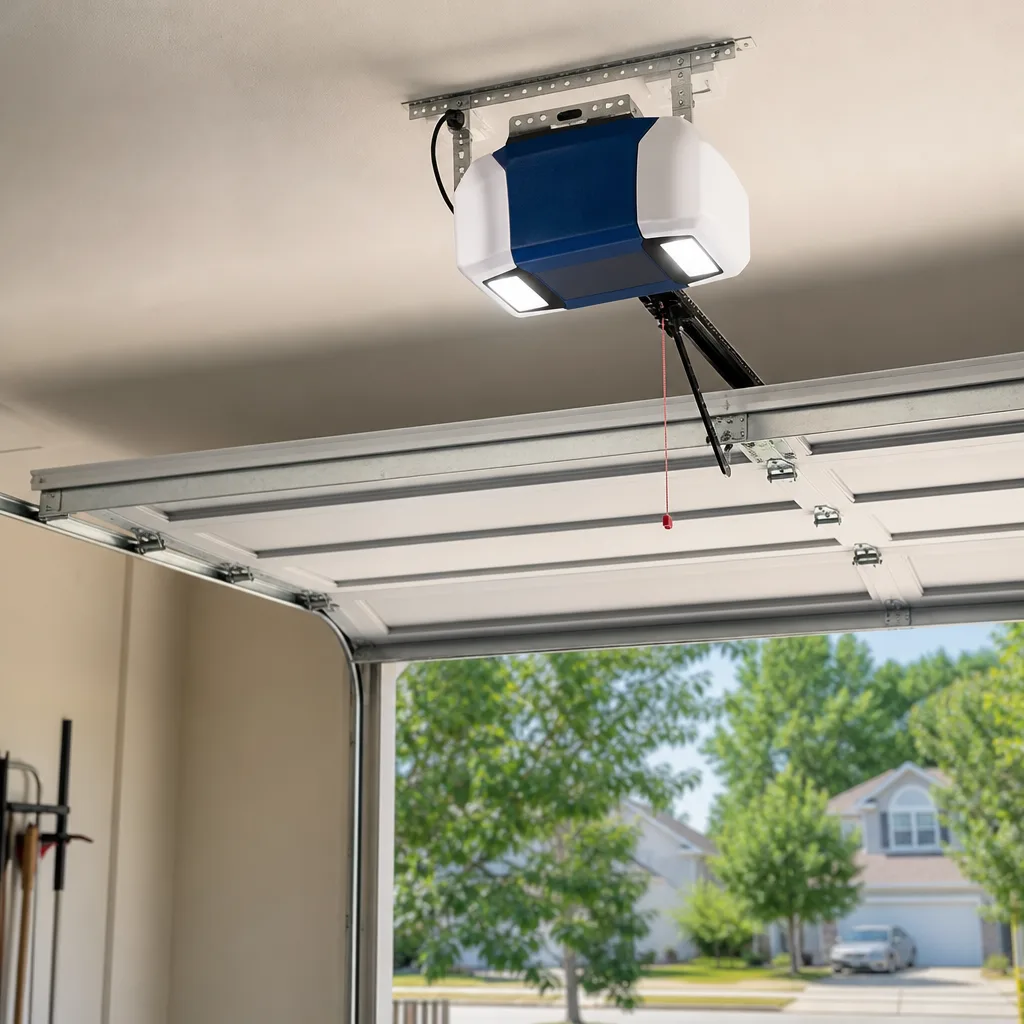 Chamberlain openers
Full 25-point door and opener safety check with every visit - springs, cables, rollers, tracks, and your LiftMaster or Chamberlain opener included
You get a price before we start. It does not change when the truck arrives.
Get your free estimateDIY vs Professional Garage Door: The Orange County Homeowner’s Decision Guide
Here’s a number most Orange County homeowners don’t expect: torsion spring replacement is among the most-searched garage door DIY tasks in the country, and also the one most likely to end in an urgent care visit. Not because people are careless. Because a wound torsion spring stores enough energy to break bones even when the door is fully lowered. This guide draws a clear line between the five tasks worth doing yourself and the ones where the risk outweighs any savings, and points you to more guides & resources for ongoing maintenance. You’ll learn what California law says about self-performing garage door work, what a realistic cost comparison looks like, and how to prepare for a professional visit so it takes half the time.
Quick Answer
Most Orange County homeowners can safely handle lubrication, sensor cleaning, remote reprogramming, and weatherstrip replacement as DIY tasks. Spring replacement, cable replacement, and track realignment should be left to a licensed professional because the stored energy and tension involved can cause serious injury or further damage to the door. The decision comes down to consequence, not skill: if a mistake means the door doesn’t open, that’s a DIY candidate; if a mistake means a snapped cable through drywall or a broken hand, that’s a professional job.
Styles & brands we work with
Table of Contents
- Task-by-Task Decision Table
- Why Torsion Springs Are Different
- California Law and DIY Garage Door Work
- The Real Cost Comparison
- What to Have Ready Before a Professional Arrives
- Common Mistakes to Avoid
- When to Call a Professional
- Frequently Asked Questions
Task-by-Task Decision Table
The garage door is not one machine. It’s a system of springs, cables, tracks, sensors, and a motor, and each part carries a different level of consequence if handled incorrectly. We’ve watched capable homeowners in Irvine and Mission Viejo replace weatherstripping in an afternoon and feel great about it. We’ve also watched a homeowner in Huntington Beach attempt a cable replacement and end up with a bent track, a broken sensor mount, and a bill twice what the original repair would have cost.
Here’s the line we draw, based on what we’ve seen in thousands of Orange County homes:
Genuine DIY Tasks (Low Consequence)
- Lubrication: A can of garage door lubricant, a rag, and ten minutes. Spray the hinges, rollers, and spring coils. This is the single best thing you can do for door longevity, and it’s safe when the door is down.
- Sensor cleaning: Photo-eye sensors get dusty fast, especially in coastal Orange County neighborhoods where salt air leaves a fine film. A soft cloth and glass cleaner fixes most “door won’t close” issues in two minutes.
- Remote reprogramming: Every major brand has a simple reprogramming sequence. If your remote stopped working after a power surge or a battery change, this is a ten-minute fix with the manual open next to you.
- Weatherstrip replacement: The rubber seal along the bottom of the door rots in Orange County sun within three to five years. Replacement strips cost $15 to $40 at any home center, and installation is sliding out the old, sliding in the new.
Professional Tasks (High Consequence)
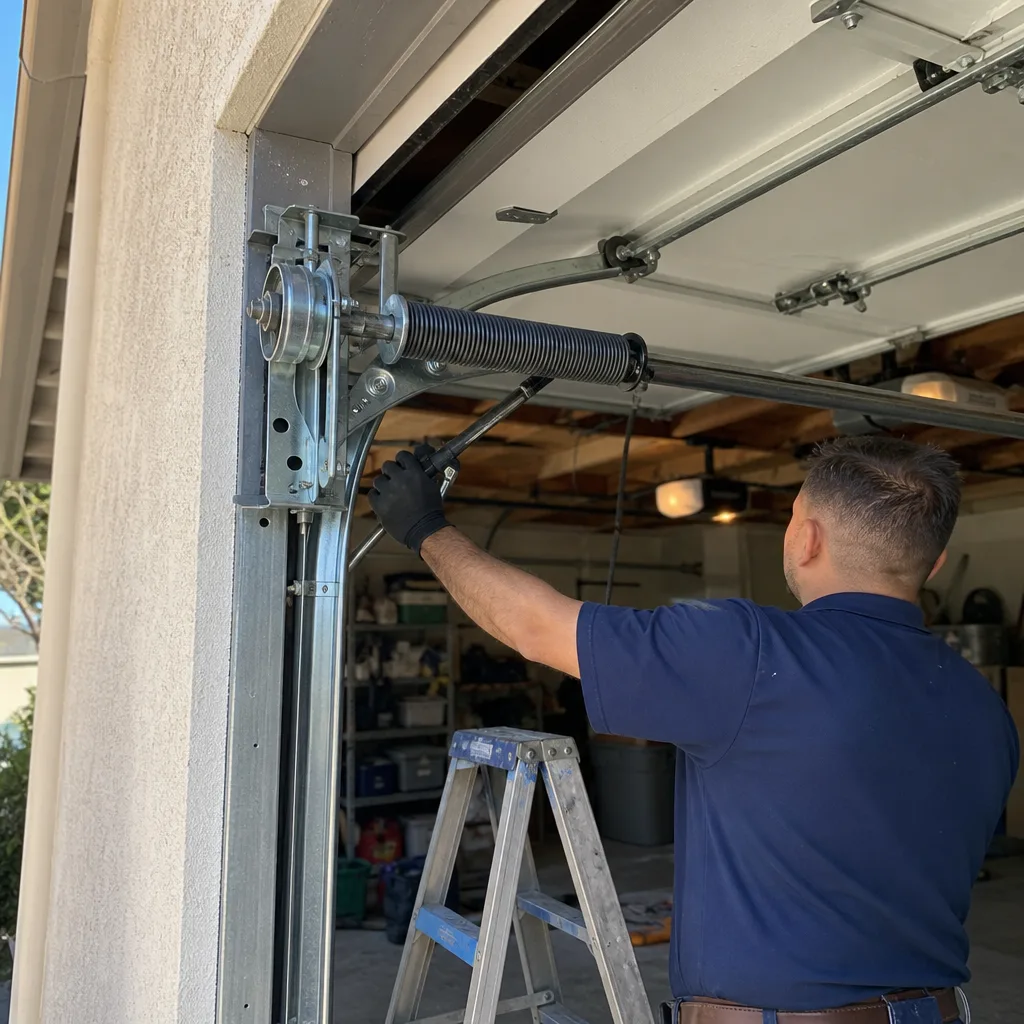
- Spring replacement: Torsion springs hold the entire weight of the door under tension. Extension springs stretch and snap. Both can cause serious injury. This is not a skill issue; it’s a physics issue.
- Cable replacement: Cables run alongside the springs and are under constant tension. A frayed cable that snaps during a DIY attempt can whip across the garage with enough force to cut skin or dent a car panel. The door also becomes dangerously unbalanced when a cable is removed.
- Track realignment: Tracks look simple but must be perfectly parallel and properly spaced for the rollers to travel without binding. A 1/4-inch misalignment causes uneven wear, noisy operation, and premature roller failure. Adjusting track brackets requires releasing tension on the door, which is where DIY attempts go wrong.
- Panel replacement: Panels are heavy. A double-car garage door panel weighs 50 to 80 pounds. Removing one requires supporting the remaining panels and re-seating the new panel with correct gap seals and alignment. A slightly off gap seal lets water and pests into the garage, and Orange County’s dry heat plus winter rain makes that costly.
The pattern: DIY tasks involve cleaning, lubricating, and swapping parts that aren’t under load. Professional tasks involve anything under tension, anything that bears weight, or anything where a 1/4-inch mistake causes a cascade of damage.
Why Torsion Springs Are Different
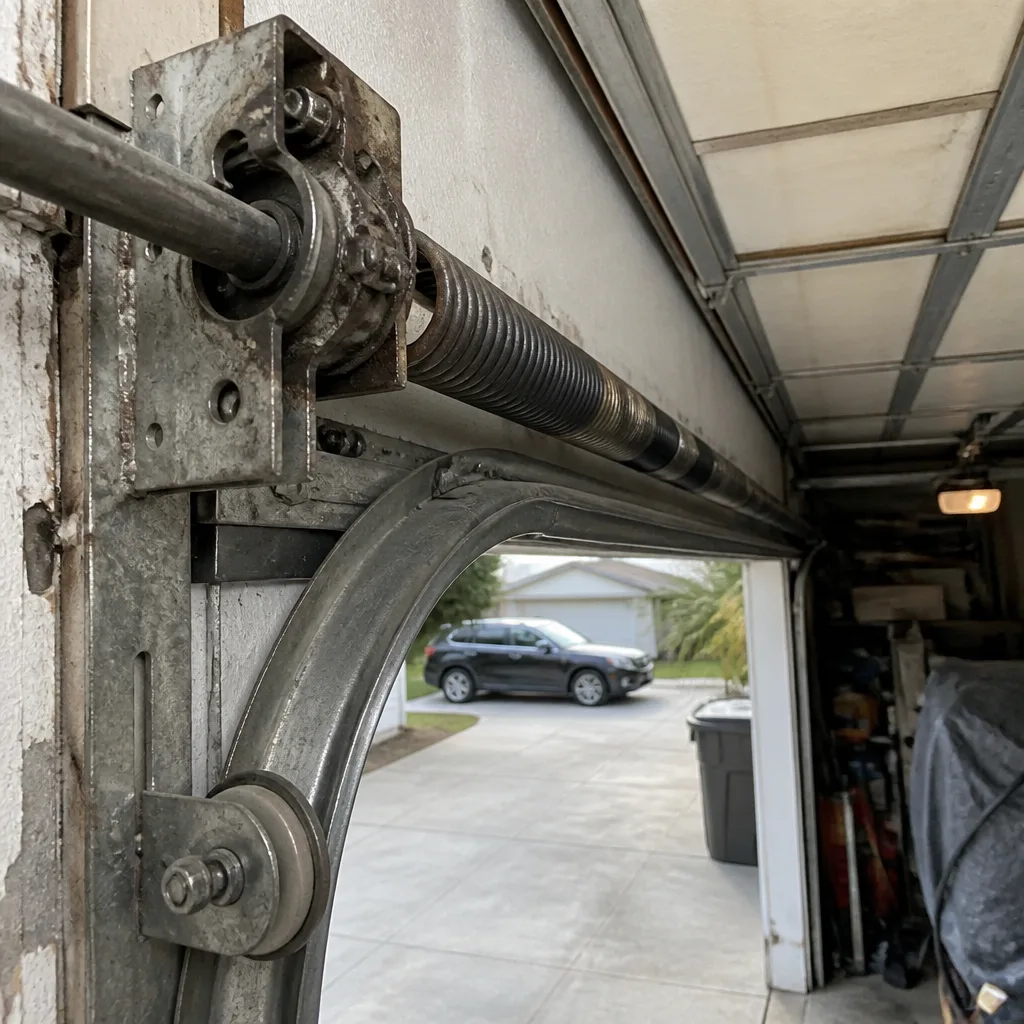
A torsion spring is a coiled steel bar mounted above the door opening. When the door closes, the spring winds tighter, storing energy. When you open the door, that stored energy does most of the lifting. The springs on a standard double garage door in Orange County hold enough tension to lift 150 to 250 pounds, and they deliver that energy instantly if released.
Here’s what that means in plain terms. If a torsion spring breaks while the door is up, the sudden release of stored energy sounds like a gunshot and can send fragments of the spring cone flying. If you’re winding or unwinding a spring with the wrong tools, a slip of the winding bar delivers a sudden, violent rotation that breaks wrists, hands, and fingers before you can react. Even with the door fully down, the spring is still under partial tension. The danger is present at every step.
We should be clear: we’re not saying this to scare you. We’re saying it because Orange County homeowners ask us about spring replacement more than any other task, and the honest answer is that the tools and technique matter more than patience or care. Professional spring replacement involves winding bars of the correct diameter, careful quarter-turn winding counts matched to the door’s weight and height, and a final balance test that confirms the spring tension matches the door’s travel. A spring wound too tightly slams the door open; too loose, and the opener strains and burns out early.
If you’d like to understand the specifics of what’s involved, our Garage Door Spring Repair in Orange County page walks through the process, the signs of a failing spring, and the cost ranges we quote before any work starts.
California Law and DIY Garage Door Work
California’s Contractor State License Board (CSLB) regulates who can perform building and repair work for compensation. Homeowners can legally self-perform most garage door maintenance and repair work on their own property without a license, as long as they’re not hiring unlicensed help or acting as a contractor for someone else. That’s the clear part.
The gray area comes when a job requires a permit or touches regulated systems. In most Orange County cities, including Anaheim, Santa Ana, and Irvine, standard garage door repair and replacement doesn’t require a permit. But if a garage door installation involves structural changes to the opening, new electrical work for the opener, or changes to fire-rated walls, the city may require permits and inspections. Garage doors between a garage and living space are fire-rated assemblies under California building code, and inserting a new door or opener shouldn’t compromise that rating.
Here’s the practical takeaway: a homeowner can lubricate, clean sensors, replace weatherstripping, and reprogram remotes without any legal concern. A homeowner can replace an entire garage door themselves if they have the skill. But if the job involves work that a licensed contractor would require a permit for, doing it yourself doesn’t remove the permit requirement. The code applies to the work, not the worker.
When you hire a professional in Orange County, verify their CSLB license. The license protects you if the work is done incorrectly or causes damage, and it confirms the contractor carries the required workers’ compensation insurance. A broken spring repair that goes wrong on a homeowner’s DIY attempt is an ER visit. The same repair done by an unlicensed handyman who gets injured on your property becomes a liability claim against your homeowner’s insurance. Those are two very different outcomes.
The Real Cost Comparison
The DIY argument is usually about money. And for small tasks, the math holds. A can of lubricant costs $12 and extends the life of your rollers and hinges. A replacement weatherstrip costs $20 and takes half an hour. Those are clear wins.
Where the math falls apart is on bigger jobs, and we’ve seen the pattern repeat often enough in Orange County to describe it in detail-something our Garage Door Cost Breakdown: The Orange County Homeowner’s Reference for 2026 covers in full. Here’s a realistic scenario:
A homeowner in Costa Mesa notices a cracked panel on their garage door. They order a replacement panel online for $180. When it arrives, they discover it doesn’t match the existing door’s color, so they accept the mismatch or order a second panel. They remove the old panel, which requires supporting the adjacent panels and disconnecting the hinges. They install the new panel, but the gap seal along the bottom edge isn’t seated correctly. Six weeks later, the first rain of the season shows water running under the door and puddling at the base of the stored boxes and the water heater platform. The homeowner now calls a professional.
At this point, the cost is: $180 for the panel, $30 for hardware, another $40 for replacement seals, and a half-day of the homeowner’s time. The professional visit to correct the seal, re-align the panels, and balance the door costs $225 to $350. Total DIY-then-fix: $475 to $600, plus the inconvenience and water exposure.
The professional-only path: a single visit, a written price before work starts, and the repair completed in one to two hours for $250 to $400. The door works, the seal is set, and the 365-day warranty covers the work.
We’re not saying every DIY attempt ends this way. Plenty of Orange County homeowners replace their own weatherstripping and feel good about it, and they should. But the pattern we see is that DIY attempts on load-bearing or alignment-sensitive parts cost more than hiring once, especially when the follow-up visit happens at 7 a.m. on a weekday because the door suddenly won’t open and the car is inside.
For more context on what professional repair actually costs across Orange County, see our Garage Door Repair in Orange County guide, which includes line-item price ranges for the most common repairs.
What to Have Ready Before a Professional Arrives
The difference between a 45-minute repair visit and a two-hour repair visit often comes down to what the homeowner has ready. Here’s what we ask for when someone calls needing garage door work in Orange County, and it’s good practice regardless of who you hire-many of these items also appear on our Garage Door Repair Maintenance Checklist for Orange County Homeowners.
- The door’s brand and approximate age. Look for a manufacturer’s label on the inside of the door panel or on the side rail. If you can’t find the brand, note the door’s material (steel, aluminum, wood composite) and whether it’s a single or double door. Age matters because parts for doors made before 2000 are often discontinued and require more creative sourcing.
- A description of when the problem started. Did it happen suddenly, or has it been getting worse over weeks? A spring that breaks makes a loud noise and the door stops working instantly. A door that gradually gets slower usually points to opener wear or spring fatigue. That distinction saves the technician a lot of diagnostic time.
- Photos or video. If the door makes a specific noise, record it. If a roller has come out of the track, photograph it. Ten seconds of phone video is worth a five-minute verbal description over the phone.
- Clear access to the garage interior. Technicians need about three feet of clearance along the inside tracks and overhead. If bikes, bins, or holiday decorations are stacked against the walls, we’ll ask to move them, and we’ll ask before touching anything.
- A safe space for kids and pets. The work is loud and involves moving metal parts and tools. A child napping in a room above the garage will wake up if we’re replacing springs. We’re happy to work during quiet hours, but it helps if the dog is inside and the garage is closed off during the visit.
Having these five things ready doesn’t cost anything, and it makes the visit faster and cleaner for everyone. It also gives you a head start on comparing quotes, because every reputable company asks the same baseline questions.
Common Mistakes to Avoid
- Using WD-40 instead of garage door lubricant. WD-40 is a solvent, not a lubricant. It cleans and then dries. Garage door lubricant is a silicone or lithium-based formula that stays on the rollers and hinges. Using the wrong product leaves the door running dry and loud within a week, and in Orange County’s dry heat, that accelerates roller wear.
- Adjusting the travel limits instead of cleaning the sensors. When a door starts reversing for no apparent reason, the sensors are usually dirty or misaligned. Many homeowners reach for the opener’s limit screws and make the problem worse. Clean the sensor lenses first, then check alignment with a level. Then touch the limits.
- Replacing one spring on a two-spring door. Torsion springs are matched pairs. When one breaks, the other has the same number of cycles on it and is close behind. Replacing only one creates an unbalanced door and usually means a second service call within months. Professionals replace both, and the price difference is modest compared to two separate visits.
- Painting over the weatherstrip. Paint on the rubber bottom seal stiffens it and cracks it faster in Orange County sun. The seal is designed to flex and conform to the threshold. Paint defeats that and the seal will fail within a season or two.
- Assuming the opener is the problem when the door needs new springs. If the door opens manually but not with the opener, check the opener. If the door is heavy or won’t stay up manually, the springs have failed, and a new opener won’t fix it. We’ve seen brand-new openers installed on doors with broken springs, which is the mechanical equivalent of putting a new engine in a car with a broken axle.
- Ignoring a slow or noisy door. A door that grinds or moves unevenly is telling you something. Catching a failing roller, a dry hinge, or a tired spring early usually means a small repair. Waiting until it fails usually means a spring replacement at best, or a cable snap and panel damage at worst.
- Forgetting the garage door is part of the home’s envelope. In Orange County, the garage often shares a wall with the laundry room or a hallway. A poorly sealed door lets dust, pests, and hot air in. The rubber seal along the bottom and the weatherstripping along the sides aren’t cosmetic; they’re part of what keeps the house comfortable and the garage dry.
When to Call a Professional
Call a professional if the job involves springs, cables, or tracks. That’s the short version. The longer version: call if the door is heavy when you lift it manually, if you hear a loud noise and the door stops moving, if a cable looks frayed or has come off the drum, if the door is visibly tilted in the opening, or if you’ve already tried a DIY fix and the problem came back. Fernbrook Garage Doors Orange County offers free estimates in Orange County, and our technicians deliver a written price before any work starts. Call (831) 318-5791 and a live person answers, any hour of any day.
Frequently Asked Questions
You legally can, but you shouldn’t. Torsion springs store enough energy to cause serious hand and arm injuries if a winding bar slips, and the specialized tools and technique required are not worth the risk. Most Orange County homeowners who attempt spring replacement either abandon it midway or complete it with incorrect tension, which leads to opener burnout or door imbalance. The cost of professional spring replacement, typically $180 to $340 for a pair in Orange County, is a fraction of the potential cost of an injury or a follow-up repair.
Lubrication, sensor cleaning, remote reprogramming, and bottom weatherstrip replacement are all safe and appropriate DIY tasks. These jobs involve no tension-bearing parts, require no specialized tools beyond a lubricant can and a rag, and mistakes carry low consequence. Everything else, from spring work to cable replacement to track adjustment, involves stored energy or precise alignment and belongs with a professional.
Common repairs in Orange County typically run $125 to $450 depending on the part and scope. A service call and sensor alignment runs $85 to $150. A spring replacement runs $180 to $340 for a pair. A cable replacement runs $150 to $250. A full panel replacement runs $250 to $500 depending on the door’s material and size. Every Fernbrook quote is delivered as a written price before work begins, so there’s no surprise at the end of the visit.
Yes, if you’re paying someone else to do the work. The CSLB requires anyone performing garage door installation or repair for compensation to hold a contractor’s license. Homeowners can self-perform work on their own property without a license, but the work must still comply with building codes, and a lack of licensing doesn’t remove permit requirements where they apply. Always verify a contractor’s CSLB license before scheduling.
That sound is almost always a torsion spring breaking. The stored energy releases in a fraction of a second, producing a sharp bang. The door then becomes extremely heavy to lift manually, which is why it often stops responding to the opener. Spring replacement is the fix, and it’s a professional job. Call (831) 318-5791 and we’ll get a technician to your Orange County home the same day.
Disconnect the opener by pulling the red release handle, then try lifting the door manually. If the door opens smoothly and stays up, the springs are fine and the opener is the likely culprit. If the door is heavy, won’t hold position halfway, or slams down when you release it, the springs have failed and the opener is just the messenger. We’ve replaced many openers that were blamed for broken springs, and the test above prevents that.
Yes. Fernbrook Garage Doors Orange County serves the full county, from Fullerton to San Clemente and from Huntington Beach to Yorba Linda. Technicians arrive in uniform with shoe covers and drop cloths as standard practice, and a written price is presented before any work begins. A live person answers the phone 24 hours a day.
The Bottom Line
The DIY versus professional decision on a garage door comes down to one question: what happens if you get it slightly wrong? If the answer is a door that still opens but needs another spray of lubricant, do it yourself. If the answer is a broken hand, a snapped cable through drywall, or an unbalanced door that eats a new opener, call a professional. Orange County homeowners have a clear path: handle the cleaning and simple replacement tasks yourself, and bring in a licensed technician for springs, cables, tracks, and anything that leaves the door unbalanced. The savings from doing the risky work yourself evaporate the first time a follow-up visit is required, and that’s before accounting for the injury risk. Fernbrook Garage Doors Orange County offers free estimates, written pricing, and the full Fernbrook Garage Doors Orange County home experience: shoe covers, drop cloths, clean-up photos, and a 365-day Done Right Promise. Call (831) 318-5791 when you’re ready for a quote, or visit our Garage Door Installation in Orange County page to see what a full replacement involves.
Written by Jesse Calder, Owner at Fernbrook Garage Doors Orange County, serving Orange County since 2002.
See the difference
 Before
 After
After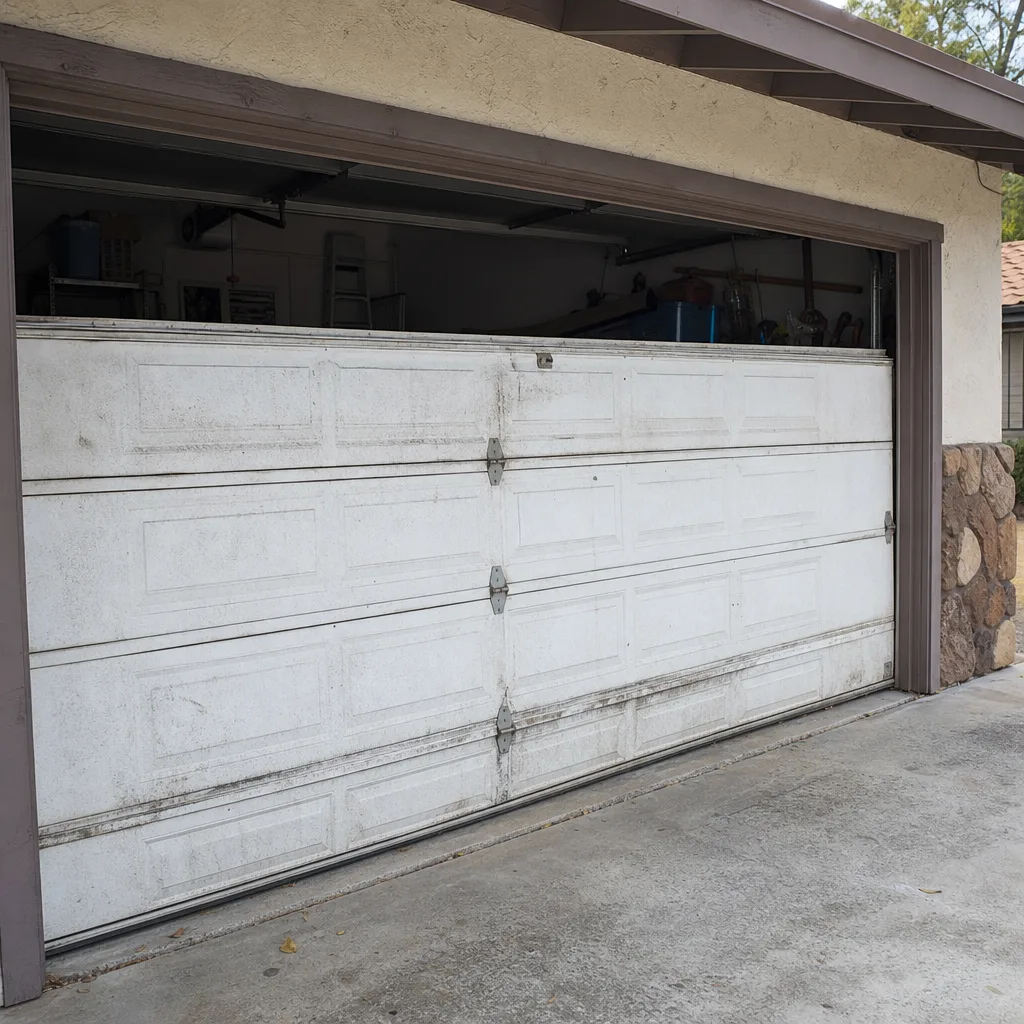 Before
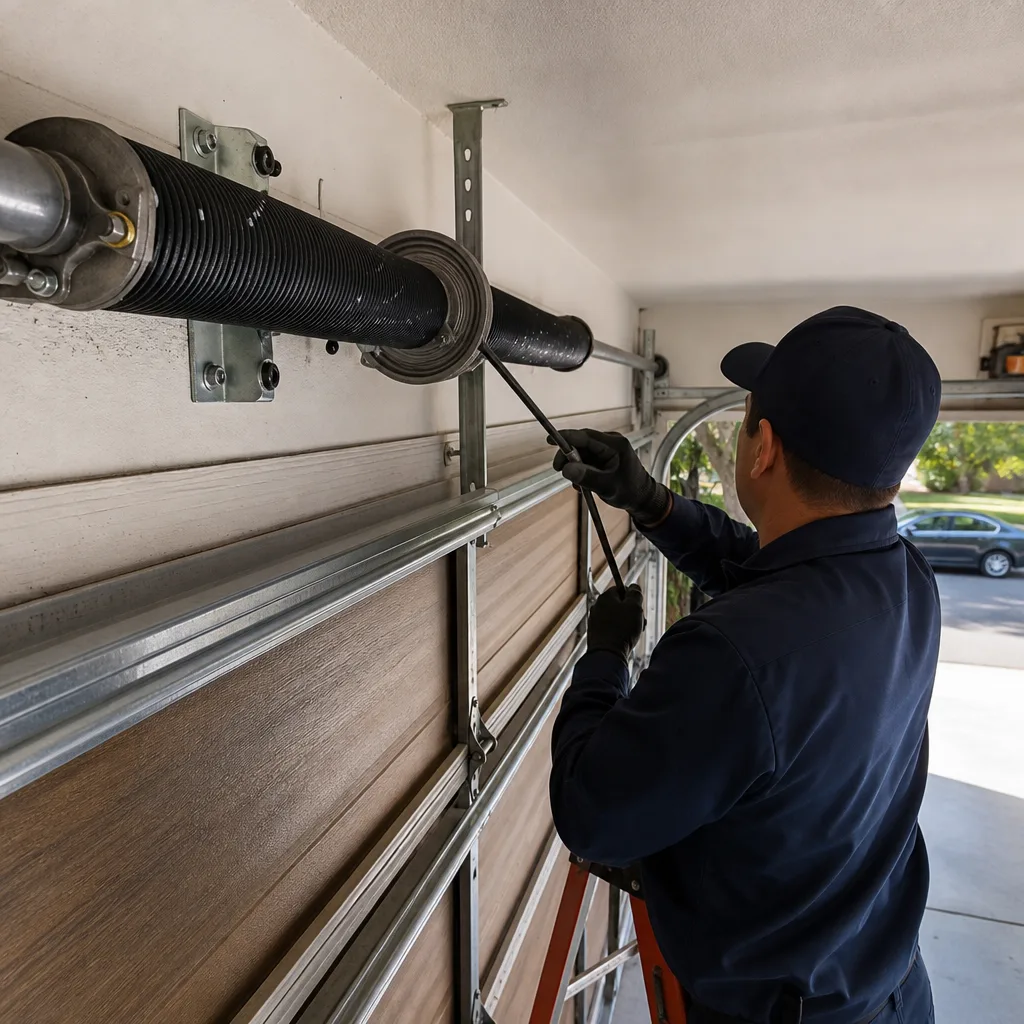 After
After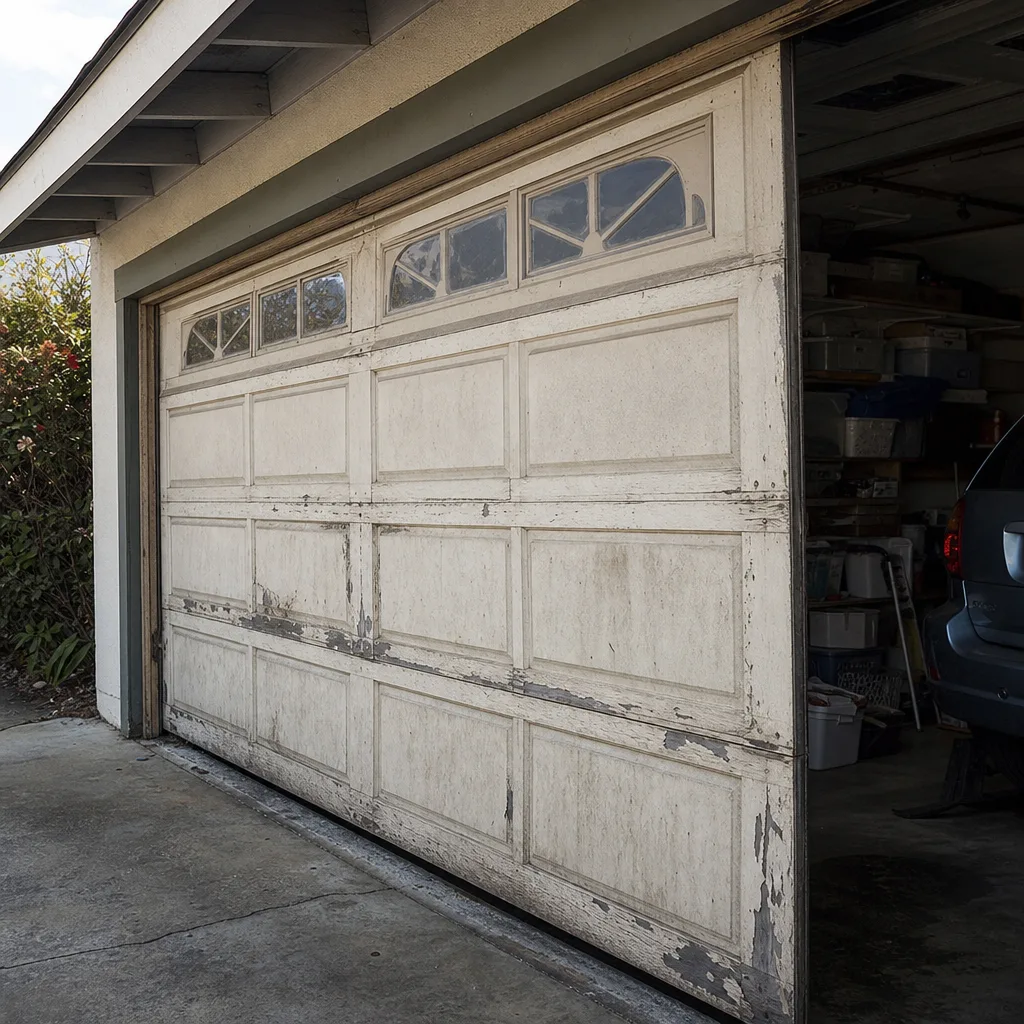 Before
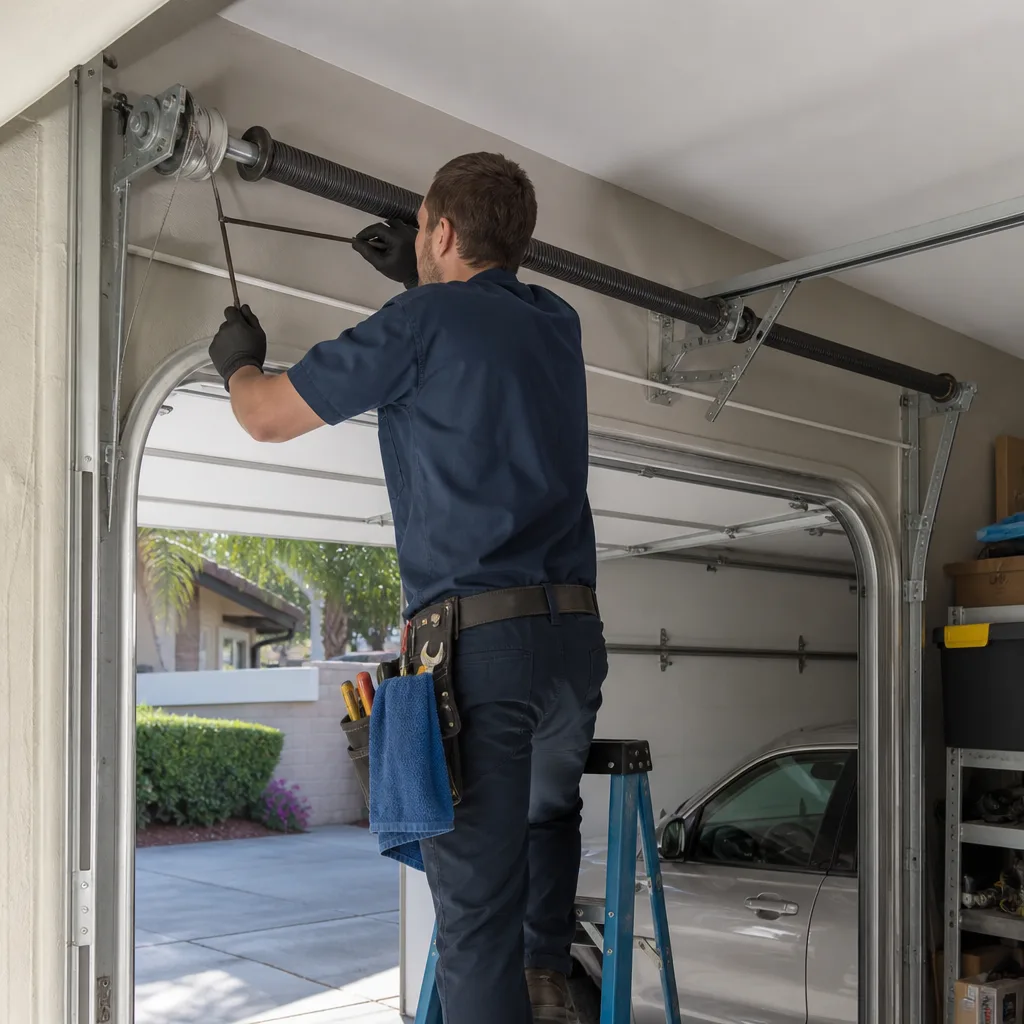 After
After