
Last updated October 17, 2026
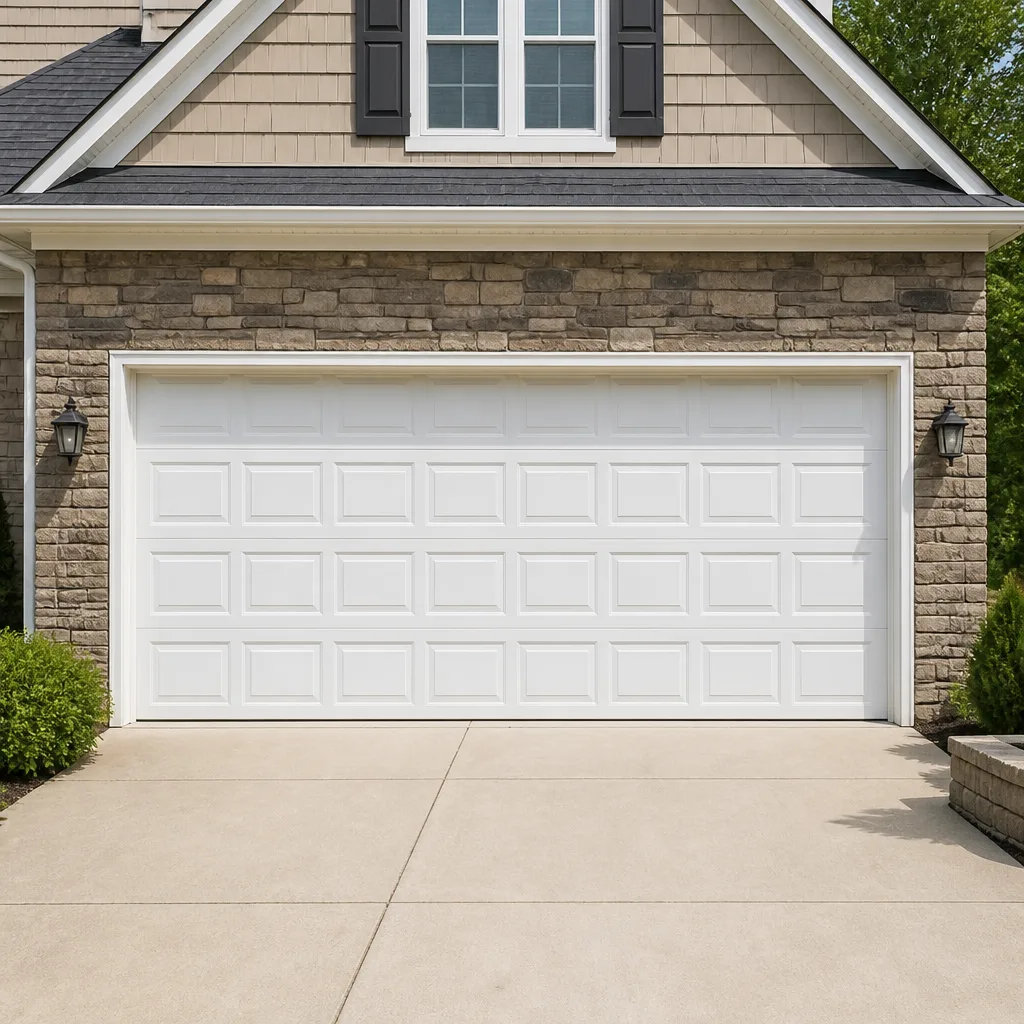 Raised-panel steel
 Carriage house
 Modern flush
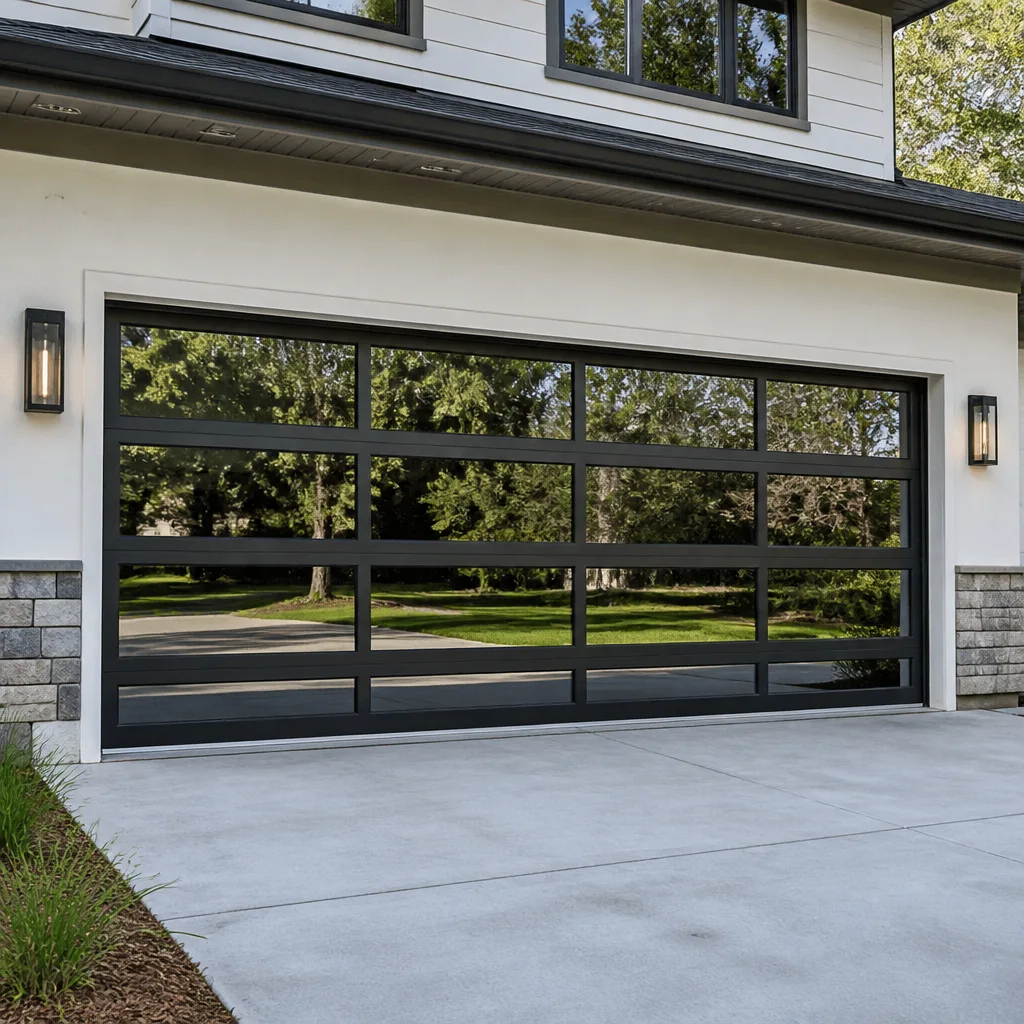 Full-view glass
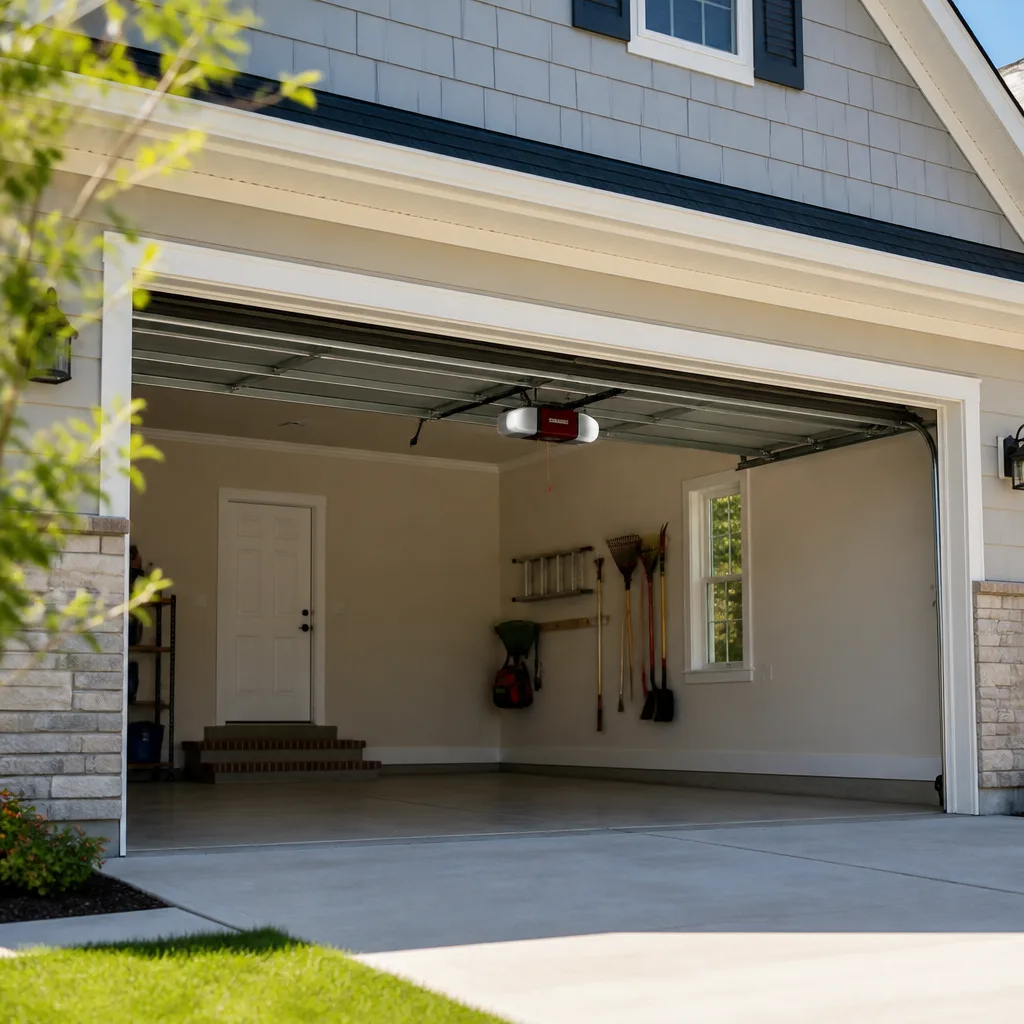 LiftMaster openers
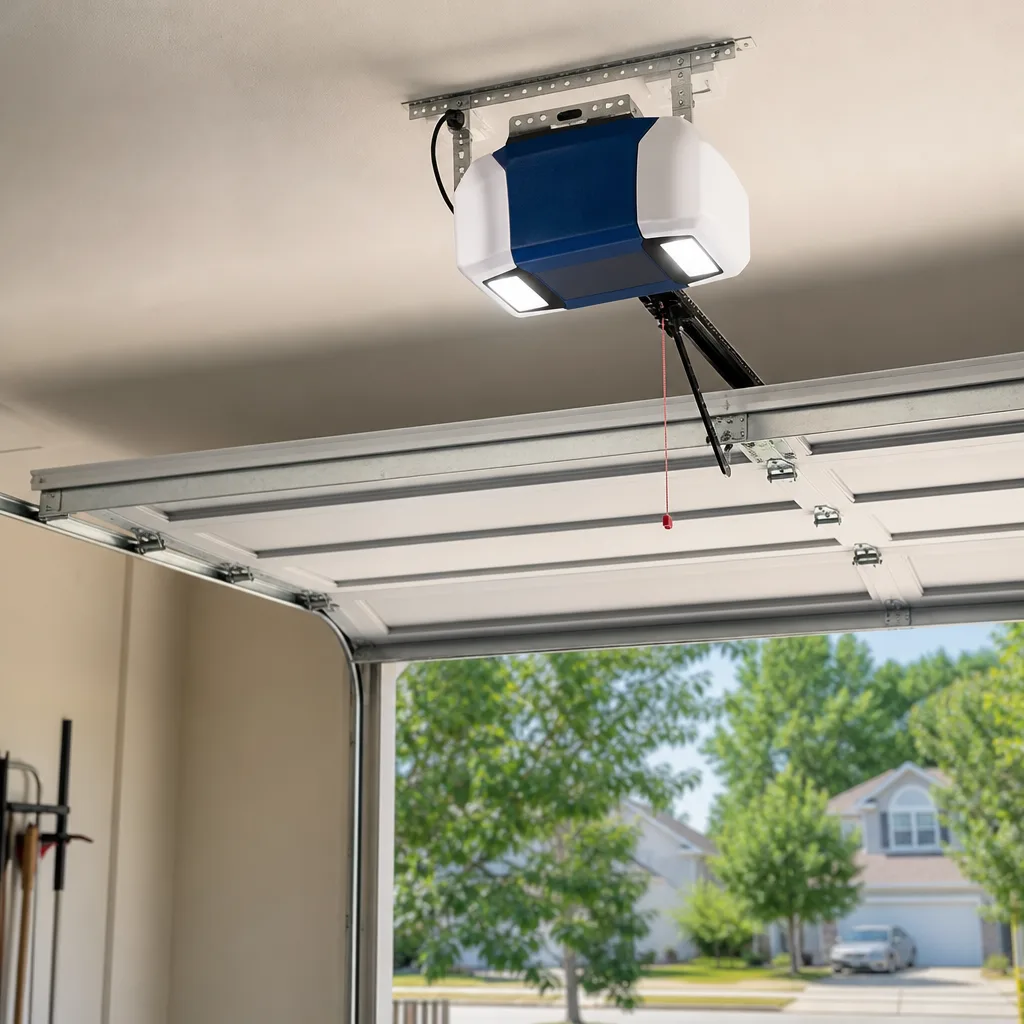 Chamberlain openers
Full 25-point door and opener safety check with every visit - springs, cables, rollers, tracks, and your LiftMaster or Chamberlain opener included
You get a price before we start. It does not change when the truck arrives.
Get your free estimateGarage Door Repair Maintenance Checklist for Orange County Homeowners
Most garage door springs don’t snap on the day you’d expect. They fail on a quiet Saturday morning, right as the family is loading the car for soccer practice, and the sound is louder than anything you’ve heard in the house all week. The frustrating part? The spring almost always showed a warning sign weeks earlier: a visible gap in the coil, a slight lean to one side, a door that hung heavier than it did the month before. This guide is built around those warning signs. We’re going to walk through the six failure points that actually send Orange County homeowners searching for emergency repair, and we’ll show you exactly what to look for before any one of them becomes a call to our Garage Door Repair services.
Styles & brands we work with
Quick Answer
A complete garage door maintenance checklist for Orange County homeowners covers six components monthly: springs, rollers, hinges, tracks, the opener, and the bottom seal. Run through a 60-second visual inspection and a 30-second balance test every month, lubricate moving parts with the right product each quarter, and address salt corrosion if you live near the coast or along the 405 corridor. Most preventive work takes under ten minutes a month and catches failures before the door stops opening. For more guides & resources, see our blog.
Table of Contents
- Why the Orange County Climate Changes the Maintenance Game
- The 6-Point Monthly Visual Checklist
- The 30-Second Balance Test
- What to Lubricate, When, and With What
- A Month-by-Month Task Calendar for OC Seasons
- Maintenance Tasks That Void a Warranty (and How to Avoid That)
- How to Document Your Own Maintenance
- Common Mistakes to Avoid
- When to Call a Professional
- Frequently Asked Questions
- The Bottom Line
Why the Orange County Climate Changes the Maintenance Game
Orange County is not one climate. It’s at least three, and each one stresses a different part of your garage door. If you live in Huntington Beach, Seal Beach, or anywhere west of the 405, salt-laden air works on your hardware year-round. Hinges and brackets pit. Galvanized coatings thin. We’ve pulled rollers off doors in Sunset Beach that looked like they’d been in the ocean themselves. If you live inland, in Anaheim, Orange, or Santa Ana, the August heat does its own damage: rubber seals bake, lubricants dry to a crust, and the wood framing around the door expands and contracts enough to shift the track alignment by a fraction of an inch. That fraction matters. And if you’re in between, in Garden Grove, Westminster, or Fountain Valley, you get both problems on a smaller scale, plus the June gloom humidity that makes everything feel damp for six weeks straight.
This matters because a generic maintenance checklist written for Kansas City or Phoenix gives you the wrong schedule. You’re not lubricating on the same calendar as someone in Ohio. You’re not checking for the same corrosion. The checklist below is tuned to what actually happens to doors in this county, and it’s written so you can do the work yourself in minutes, not hours.
A quick note on who we are before we go further: Fernbrook Garage Doors Orange County has been repairing garage doors across this county since 2002, as part of the Cedarwell family of independently owned and operated garage door businesses. We train our technicians on eight major brands, we hand you a written price before any work starts, and we treat your house the way we treat our own. This guide is the same advice we’d give a neighbor over the fence, minus the fence.
The 6-Point Monthly Visual Checklist
Set a recurring phone reminder. First Saturday of the month, ten minutes, before the kids are up. Here is everything you need to look at, in order, with the specific clues that tell you something is failing. You can do all of this from the floor with a step stool and a flashlight. You do not need to climb inside the door’s mechanism to spot a problem. In fact, as we’ll explain later, there are parts of your door you should never service yourself.
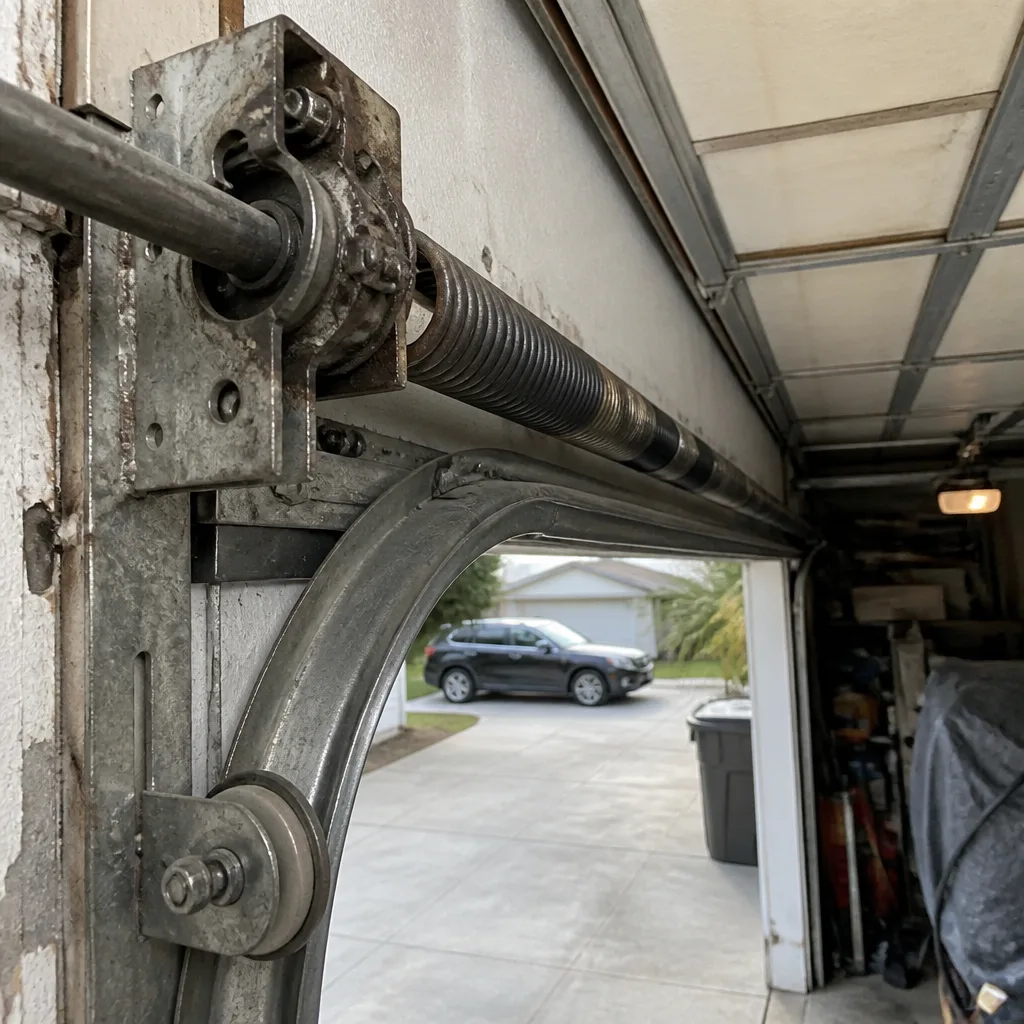
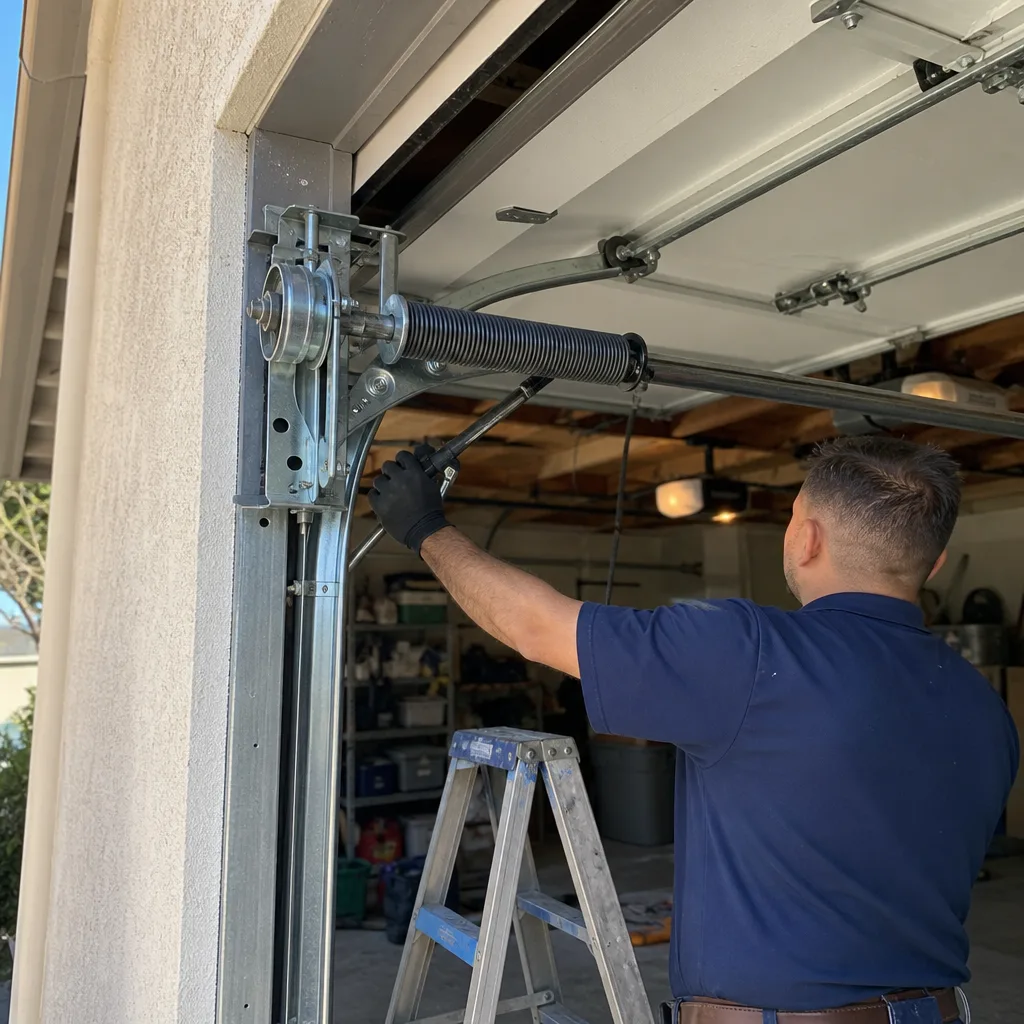
- Look at both torsion springs (the ones above the closed door, horizontal across the top). A healthy spring is one continuous coil with no gaps. A spring that is about to fail shows a visible gap between coils, often near the center or near one end. If you see daylight between two coils where the rest of the spring is tight, that spring is already broken or will be soon. This check takes five seconds and is the single highest-value thing on this list. If you see the gap, stop using the door and call us. Do not try to open the door manually by pulling the release cord; a spring under partial tension can release violently.
- Watch the door move up and down once from the inside. It should move smoothly and evenly. Jerky motion, hesitation, or a visible wobble means a roller is flat-spotted or a bracket is loose. Listen too. A squeak that wasn’t there last month is a roller or hinge begging for lubrication or replacement.
- Inspect all four corner brackets and the hinges along each panel. Look for rust streaks, hairline cracks in the metal, and loose screws. In coastal Orange County, rust streaks on the brackets are the earliest sign of salt corrosion. The bracket is still doing its job, but its life is shortening.
- Examine the bottom seal along the floor. In Orange County’s inland heat, the rubber bottom seal dries, cracks, and shrinks. Look for daylight under the closed door. If you can see a sliver of light, ants, dust, leaves, and in the spring, tiny field mice, can get in. A cracked seal is a five-minute replacement and it saves your floor from June gloom dampness.
- Look at the track rails on both sides. They should be straight and parallel to the door. A door that has been bumped by a car or shifted by a small earthquake (and you get enough of those in this county to matter) will wear its track rails out of alignment. You’ll see shiny scrape marks where the door rollers are dragging against the side of the rail instead of riding in the center groove.
- Test the opener’s auto-reverse feature with a rolled-up towel. Place the towel flat in the door’s path and close the door on it. The door should reverse direction within a second of touching the towel. If it doesn’t, that’s a safety issue, especially in a home with kids or pets. This is a $0 test and it catches the number one cause of garage door related injuries.
That’s the whole monthly routine. Six observations, ten minutes, no specialty tools. Most Orange County homes we visit have never had any of these checks done, and the first time we walk the door with a homeowner, they spot the problem themselves in under a minute. One more thing: if you’re doing this on a weekend morning and something looks wrong, call Garage Door Repair in Orange County before you keep using the door. A door that’s showing signs of failure is easier and cheaper to fix before it gives up.
The 30-Second Balance Test
Your garage door’s balance is the single best early warning sign of spring wear. When springs lose tension, the door gets heavier. Your opener compensates by working harder. The opener’s motor doesn’t complain, so you don’t notice, until the day the spring breaks and the opener strains against the full weight of the door. A 30-second balance test catches this months early.
Here’s exactly how to do it:
- Close the garage door.
- Pull the red emergency release cord hanging from the opener rail. This disconnects the door from the opener carriage. The door will now move manually.
- Lift the door by its handle until it’s about waist high, around halfway up.
- Let go.
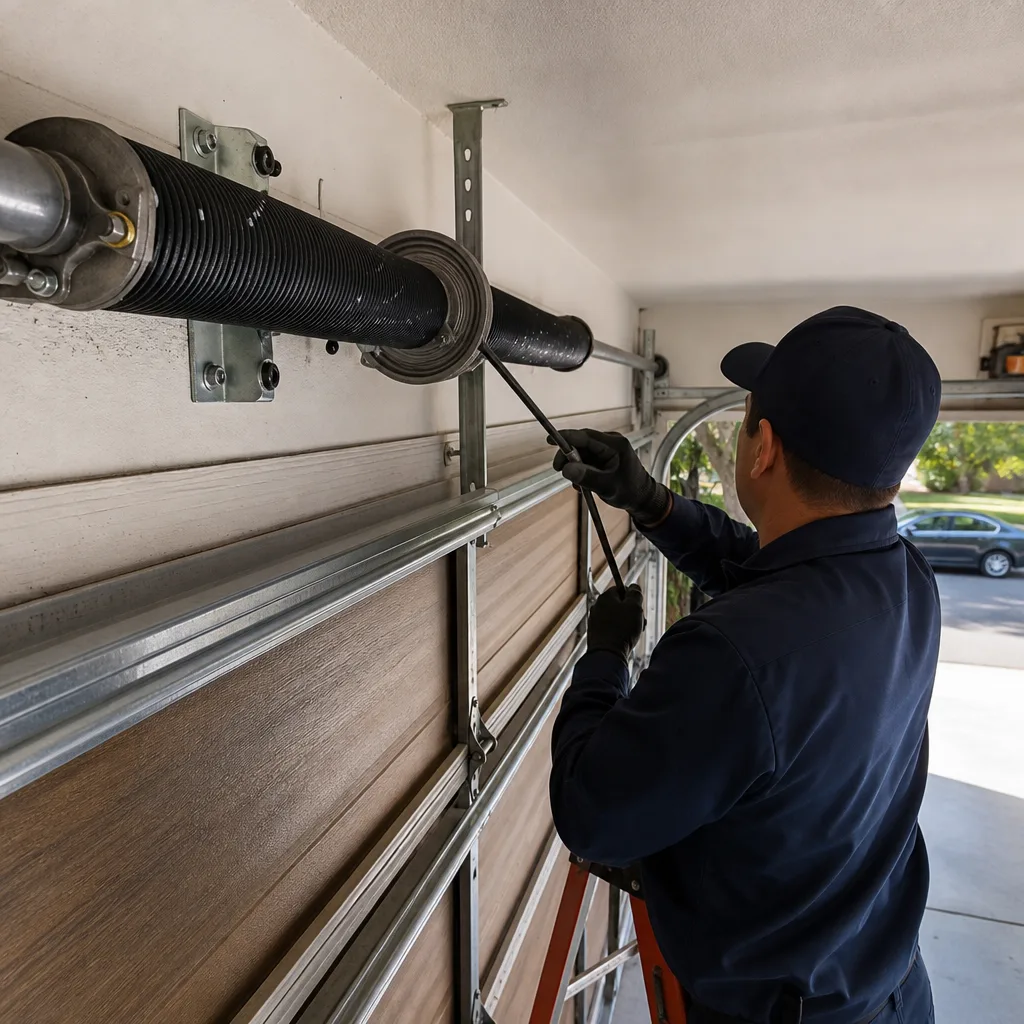
A properly balanced door stays put, right where you left it. It might drift an inch up or down, but it should not move significantly. If the door drops toward the floor, the springs are losing tension and need attention. If the door rises on its own toward the ceiling, something else is out of spec, and an inspection is worth scheduling. Either way, the fix is not something you should attempt yourself; torsion springs are under enormous tension, and Garage Door Spring Repair in Orange County is work for a trained technician with proper winding bars, not a homeowner with a screwdriver.
Do this test monthly, right after your visual checklist. It takes thirty seconds and it tells you more about the health of your springs than anything else on this page.
What to Lubricate, When, and With What
Lubrication is the maintenance task people most often do wrong, and doing it wrong is worse than skipping it. The wrong product on the wrong part accelerates wear, attracts dust, and can gum up rollers until they seize. Here is the exact breakdown of what goes where, and what product to use for each part.
Springs: Use a white lithium grease spray or a purpose-made garage door spring lubricant. Spray a light, even coat along the length of each spring twice a year, once in spring and once in fall. Do not use WD-40 on springs. WD-40 is a water displacer, not a lubricant, and on garage door springs it strips the protective film and accelerates rust, especially in coastal Orange County where the air is already working against you.
Rollers: If you have steel rollers, a few drops of light machine oil on each roller bearing (not on the wheel surface) once or twice a year is adequate. If you have nylon rollers with sealed bearings, skip the oil entirely; they’re designed to run dry, and oil just attracts grime. Orange County homes with nylon rollers on coastal lots still benefit from a wipe-down with a dry cloth to remove salt film.
Hinges: A few drops of light machine oil on each hinge pivot twice a year, spring and fall. This is the part that squeaks, and the squeak is the hinge telling you it’s dry before it starts to bind.
Tracks: Do not lubricate the tracks. This is the most common mistake we see on homeowner-maintained doors. The rollers ride in the track groove; adding grease or oil to the track just creates a paste of lubricant and dust that forces the rollers to work harder. Keep the tracks clean and dry. Wipe them with a dry rag when you do your monthly check.
That’s the whole lubrication program. It takes five minutes twice a year and it extends the life of every moving part in the system. If you’d rather not keep track of the schedule or you want a technician to handle it during a tune-up, that’s exactly the kind of work Fernbrook Garage Doors Orange County home service visits are built around.
A Month-by-Month Task Calendar for OC Seasons
Orange County doesn’t have a winter, but it absolutely has seasons, and they arrive on a different rhythm than the rest of the country. Here is the maintenance calendar we’d give a neighbor in this county, tuned to what actually happens month by month.
January through March: The “Cool and Dry” Months
This is the best time of year for deep cleaning and hardware inspection in Orange County. Low humidity means lubricants apply cleanly. Use this window to wipe down tracks, check every bracket and bolt, and schedule any major work like Garage Door Installation in Orange County before the summer rush. If your door is original to a house built in the 1990s, this is also the season to evaluate whether a full replacement makes more sense than continued repair.
April through June: June Gloom and Marine Layer
By April, the coastal marine layer starts rolling in at night, and by May and June it can sit over the beach cities for days. That damp air settles into hinges and brackets and accelerates corrosion, especially within a mile of the coast. This is the single most important window for rust prevention and for wiping salt film off hardware after foggy nights. If you live in Costa Mesa, Newport Beach, or Huntington Beach, add a hardware wipe-down to your monthly visual check during these three months. A dry cotton rag is all you need.
July through September: Inland Heat and UV Damage
Inland cities like Yorba Linda, Orange, and Anaheim Hills see weeks of afternoon highs in the 90s. Your door’s bottom seal and weatherstripping take the brunt of this. UV light breaks down rubber on a schedule; by late August, seals that were pliable in March will have dried and cracked, especially on west-facing doors that get direct afternoon sun. Check the bottom seal monthly during this quarter and replace it the moment you see cracking. Heat also thins lubricants, so if your door starts squeaking in September, it’s time for the fall lubrication pass.
October through December: Transition and Salt Air
October brings the Santa Ana winds, and those dry offshore winds carry fine dust and debris across east Orange County. Dust gets into every crevice, including your tracks and roller bearings. This is the quarter to vacuum the track channels and recheck for cracks in painted wood or composite doors, because the dry winds are hard on finishes. By December, coastal homes have been through nine months of salt air exposure, and hardware that looked fine in spring may show pitting. Give all brackets and hinges a close look before the holidays, when the garage door suddenly becomes the main entry and exit for the house. If you spot rust or damage early, consult our Garage Door Warning Signs: A Orange County Homeowner’s Reference Guide to know when to act.
Maintenance Tasks That Void a Warranty (and How to Avoid That)
One of the least discussed parts of garage door ownership is that some very common DIY maintenance choices can void the manufacturer’s warranty on your door, your opener, or your springs. If you own a door from Wayne Dalton or a Craftsman opener, the fine print in the warranty booklet covers this in language that most homeowners never read. Here’s what actually matters.
Using the wrong lubricant. Most manufacturers explicitly state that aerosol penetrants and degreasers, including WD-40, void the spring warranty if applied. The reasoning is that these products strip the factory protective coating. If you’re using a purpose-made garage door lubricant, you’re fine. If you’re reaching for whatever spray can is in the garage, stop.
Adjusting torsion springs yourself. This is the big one. If a homeowner attempts to adjust or replace their own torsion springs and damages the door in the process, the warranty on the door and the opener is typically void. The warranty doesn’t just cover the spring; it covers the whole system, and a self-inflicted spring mishap takes everything down with it. This is not a judgment on your handyman skills. Torsion springs in a Raynor or LiftMaster system are wound to a specific torque; working on them without the right tools is genuinely dangerous. We don’t say that to sell you a service call. We say that because we’ve seen the aftermath of a spring bar slipping.
Replacing parts with off-brand components. If your door is under warranty and a roller or hinge fails, replacing it with a generic part from a hardware store can void coverage on the door. Manufacturers require OEM parts while the warranty is active. This is easy to comply with and easy to forget.
Skipping documented maintenance entirely. Some premium doors come with maintenance requirements baked into the warranty terms. If a failure occurs and there’s no record of basic lubrication or inspection, the manufacturer can deny a claim. The next section covers how to document your work so this never happens to you.
How to Document Your Own Maintenance
If you’re doing this maintenance yourself, keep a record. It doesn’t need to be elaborate. A simple note in your phone or a page in a home binder is enough. What matters is that the record exists and shows a pattern.
For each maintenance session, record: the date, what you inspected, what you lubricated and with which product, anything you replaced, and any observations (a squeak, a gap in a spring, a crack in a seal). A three-line note is fine.
Here’s a sample entry:
- March 5: Monthly visual check, all clear. Balance test, door held at midpoint. Lubricated springs and hinges with white lithium grease. Bottom seal slightly dry, will recheck in June.
- June 12: Wiped salt film off hinges and brackets after heavy marine layer. Squeak on left roller, applied three drops of machine oil to roller bearing.
- September 8: Replaced bottom seal, old one cracked from UV. Balance test passed. No other issues.
This kind of log does two things. First, it protects your warranty and gives you a record to show a manufacturer if a claim is ever disputed. Second, and more practically, it creates a history that a future technician can read in thirty seconds. When we come out to a home in Orange County and the homeowner hands us a maintenance log, it tells us exactly what’s been done, what was skipped, and where to focus. It shortens the service call and it often saves the homeowner money. You’re not just maintaining your door; you’re building its medical record.
If you have this log and something still goes wrong, call us. We’ll work from your history rather than starting from zero, and we’ll give you a written price before anything gets touched.
Common Mistakes to Avoid
- Using WD-40 on springs. This is the single most common mistake we see in Orange County garages. It displaces moisture, yes, but it also strips the spring’s protective coating. On a coastal property, a WD-40’d spring rusts measurably faster. Use lithium grease or a garage-door specific lubricant.
- Lubricating the tracks. Tracks should be clean and dry. Grease or oil in the track groove turns into abrasive paste that grinds down your rollers. This one mistake quietly shortens your door’s life by years.
- Skipping the balance test. The balance test is free, takes thirty seconds, and catches spring wear months before a failure. Most Orange County homeowners have never done it once. Set the monthly reminder and do it.
- Ignoring a squeak. A squeak is not a personality quirk. It’s a dry hinge or roller telling you it needs attention. Left alone, a dry roller flat-spots and then the door starts to wobble, then the bracket loosens, then you’re paying for a repair that a few drops of oil would have prevented.
- Calling for help after the door won’t open. By the time the door won’t open, the failure has already happened, and the repair is often more involved. The whole point of the checklist on this page is to find the problem while it’s still cheap to fix. If something looks off during a monthly check, call then, not after the spring snaps on a Saturday morning.
- Working on torsion springs without training. Please hear this one clearly. Torsion springs are the most dangerous component in your garage. They are wound under hundreds of pounds of torque. When they release, they release violently. We are not exaggerating because we want your repair business. We’re telling you the truth because we don’t want you getting hurt.
When to Call a Professional
Some maintenance is yours. Some is ours. You can inspect, lubricate, test, and document all day without any risk. The moment something crosses into repair territory, or the moment you’re unsure whether it has, call someone who does this every day. If you see a visible gap in a spring coil, if your door won’t stay balanced at the midpoint, if you see a crack in a bracket, if a cable is frayed, or if the door makes a sound you’ve never heard before, stop using it and make the call. Fernbrook Garage Doors Orange County offers free estimates across Orange County, and a live person answers the phone 24 hours a day. Call (831) 318-5791 and we’ll send a background-checked, uniformed technician who will hand you a written price before any work begins. No surprises, no pressure, and a clean floor when we leave.
Frequently Asked Questions
Monthly visual checks and balance tests, plus lubrication twice a year in spring and fall. Coastal homes within a mile of the ocean should add a salt-film wipe-down during the June gloom months. This schedule matches what we recommend for every Orange County home we service.
The torsion springs. Look at them once a month for a visible gap between coils. A spring that is about to break almost always shows this gap, and catching it before it fails is the difference between a planned repair and an emergency call. Call (831) 318-5791 if you see it.
No. WD-40 is a water displacer, not a lubricant, and it strips the protective coating from garage door springs. Use white lithium grease on springs and light machine oil on hinges and steel roller bearings. In coastal Orange County, using WD-40 on springs accelerates rust significantly.
Three signs: a visible gap in the coil, a door that drops when released at the midpoint during a balance test, and a loud bang from the garage that sounds like a firecracker. The third one means the spring already broke. The first two mean it’s about to. Call (831) 318-5791 for a free estimate either way; we’ll tell you exactly what’s needed and what it costs before any work begins.
Yes. Salt air near the coast corrodes hardware year-round, inland heat and UV break down rubber seals and weatherstripping, and the June gloom marine layer accelerates rust on hinges and brackets. No other California county has this exact combination of stressors, which is why your maintenance schedule should match the county, not a generic national average.
No. Fernbrook Garage Doors Orange County gives you a written price before any work starts, on every visit, no exceptions. The price we quote is the price you pay. We explain it before the work, not after, and we don’t upsell you on work you don’t need. That’s the Cedarwell Care Promise every Fernbrook technician follows.
The Bottom Line
Your garage door asks for ten minutes a month. In exchange, it gives you years of reliable service and spares you the Saturday morning breakdown that sends families scrambling for an emergency repair while the minivan is trapped in the garage. The checklist on this page is simple: look at six things each month, do the 30-second balance test, lubricate correctly twice a year, and keep a three-line log of everything you do. Tune the schedule to your location in Orange County, because coastal salt air, inland heat, and June gloom humidity all stress different components. And when something looks wrong, call. A written price, a clean floor, a phone answered by a real person, and a technician who respects your home is what you’ll get from us, every time.
Written by Jesse Calder, Owner at Fernbrook Garage Doors Orange County, serving Orange County since 2002.
See the difference
 Before
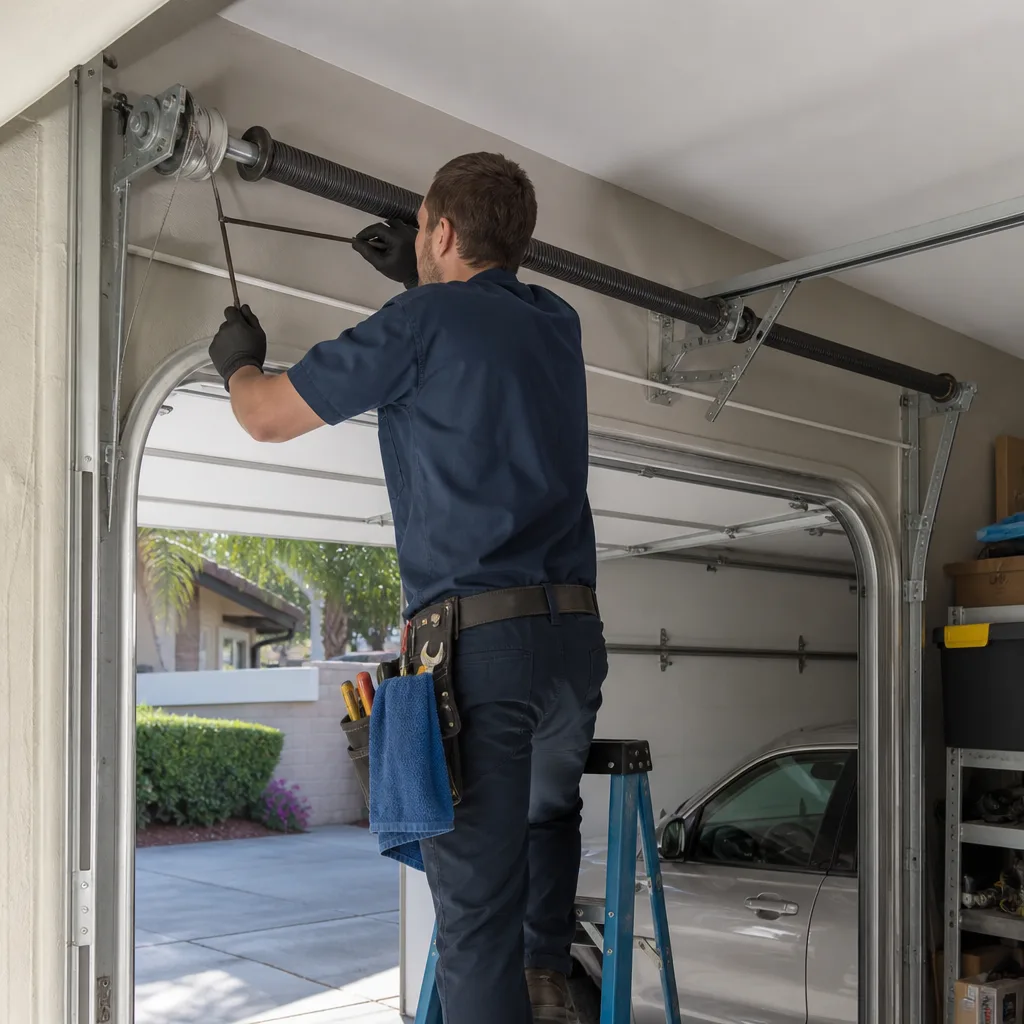
 After
After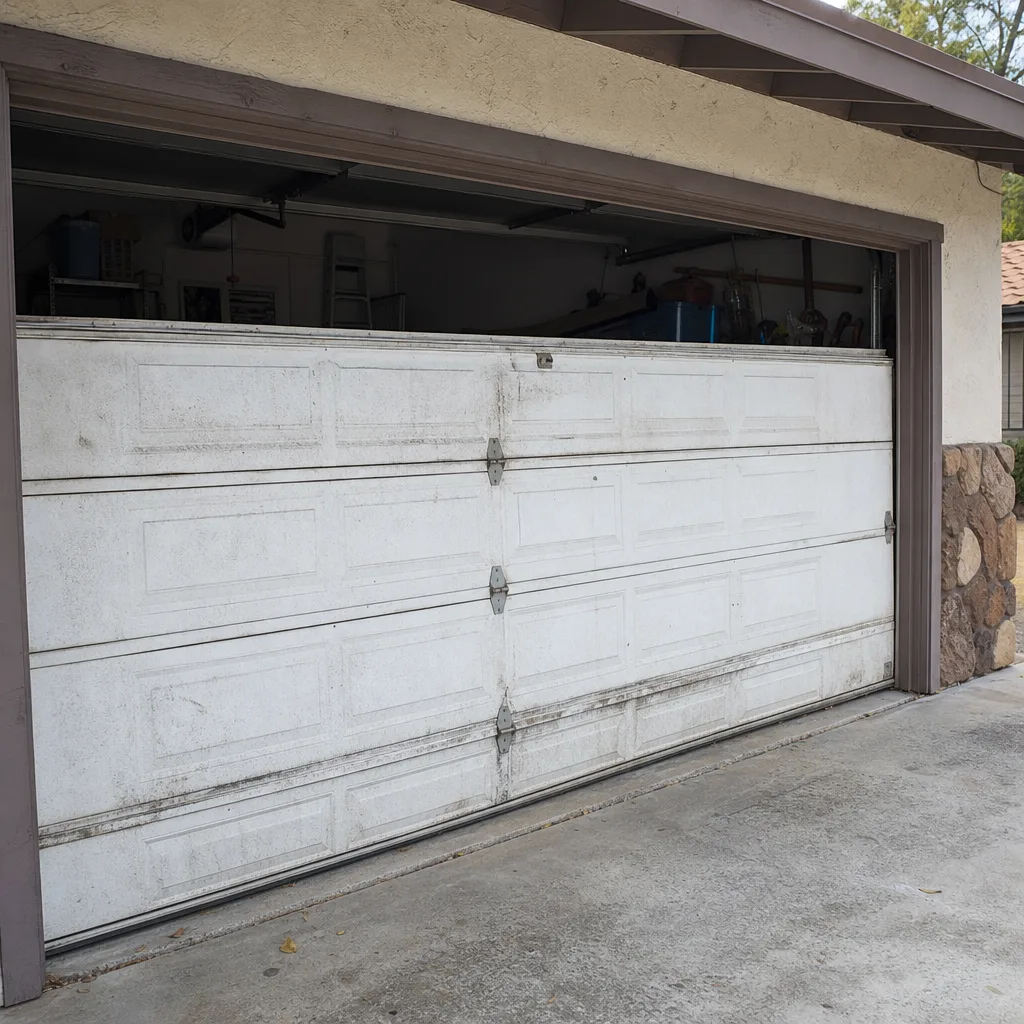 Before
 After
After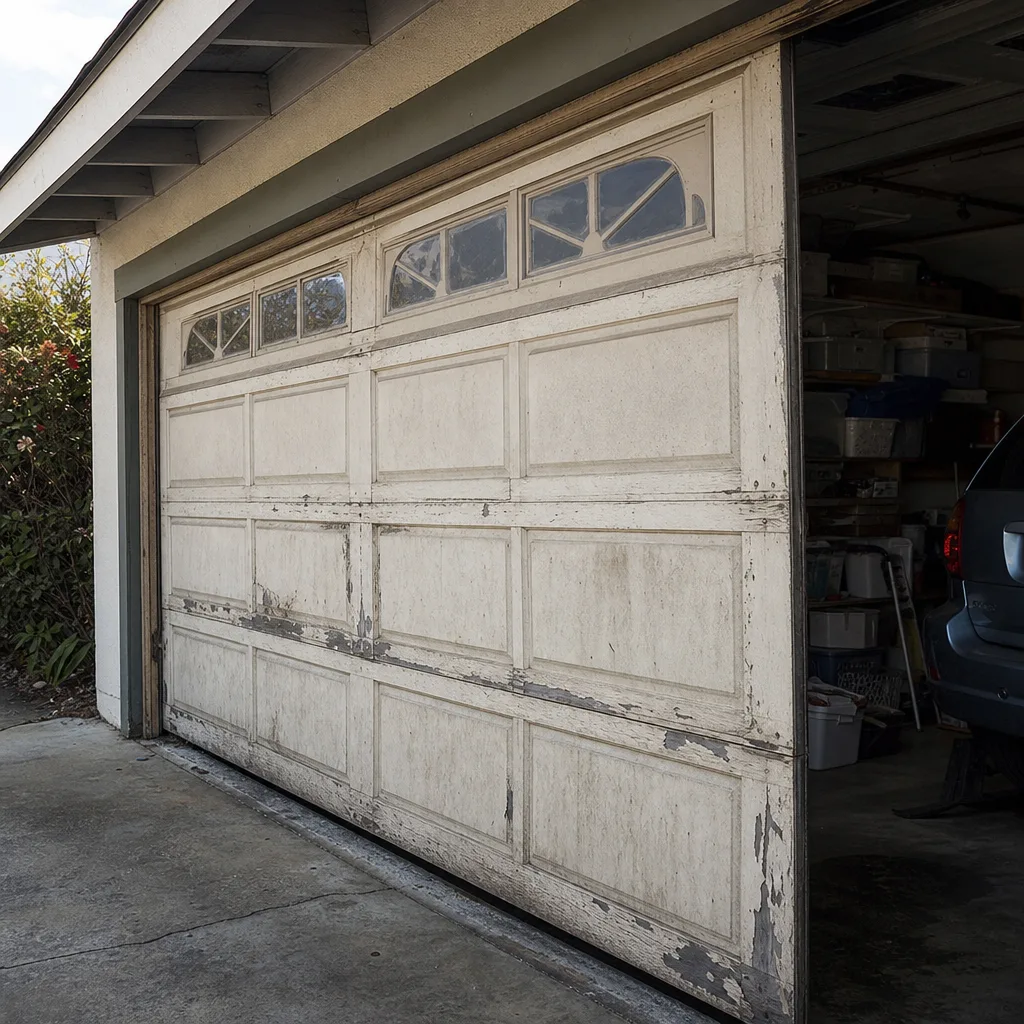 Before
 After
After