
Last updated October 17, 2026
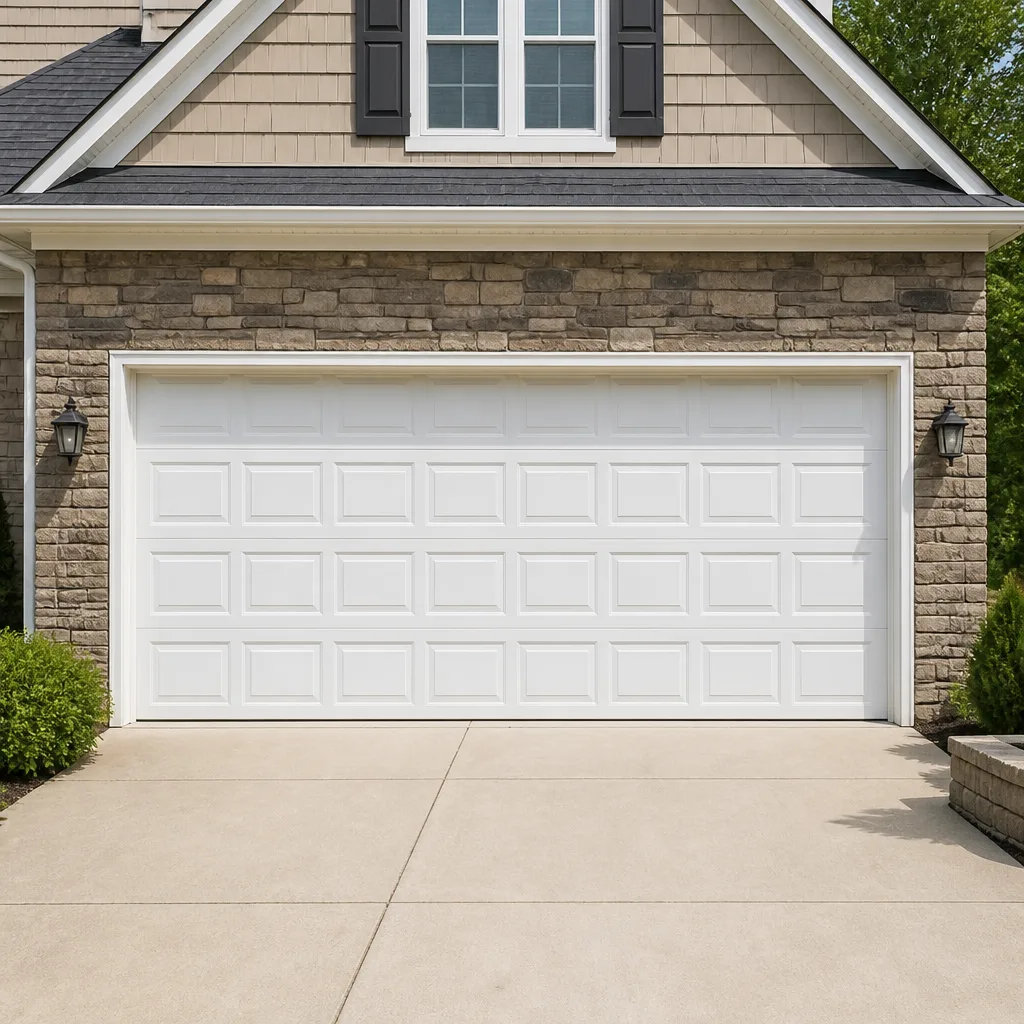 Raised-panel steel
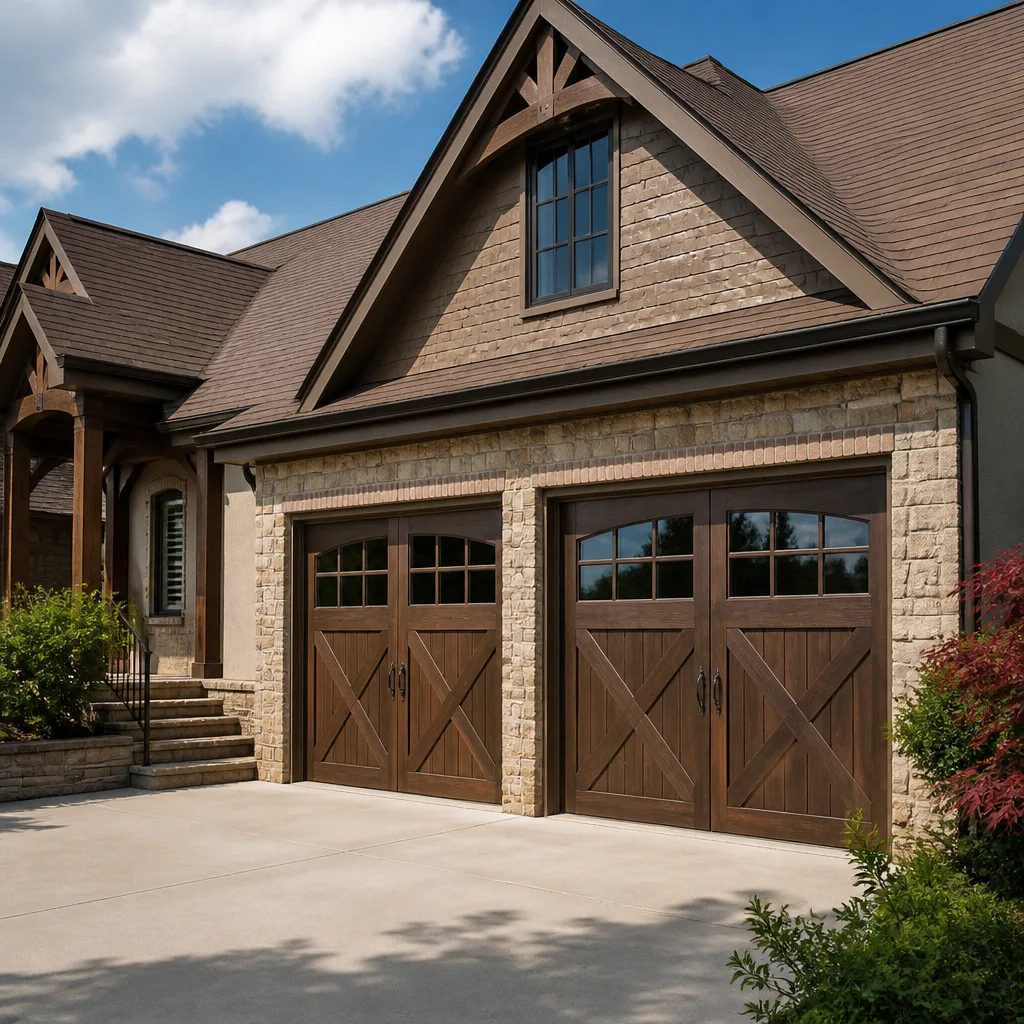 Carriage house
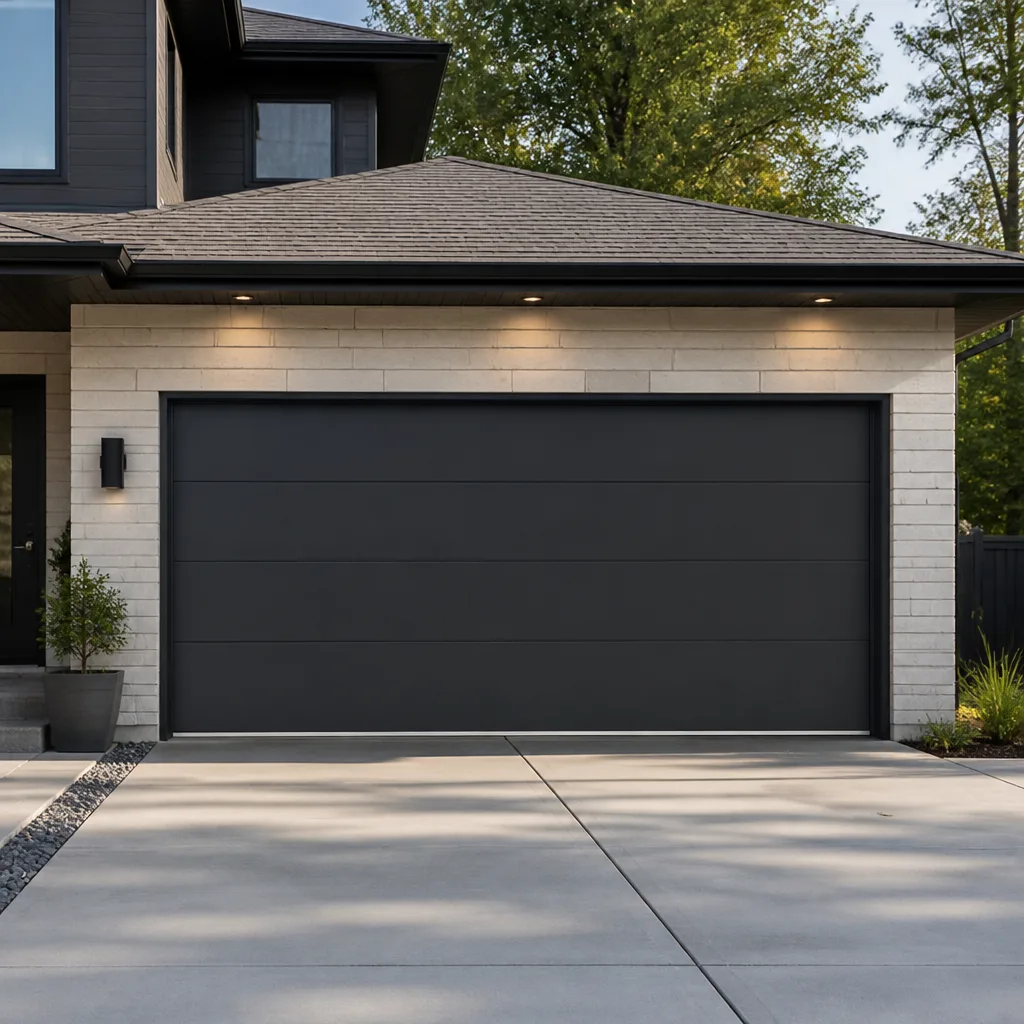 Modern flush
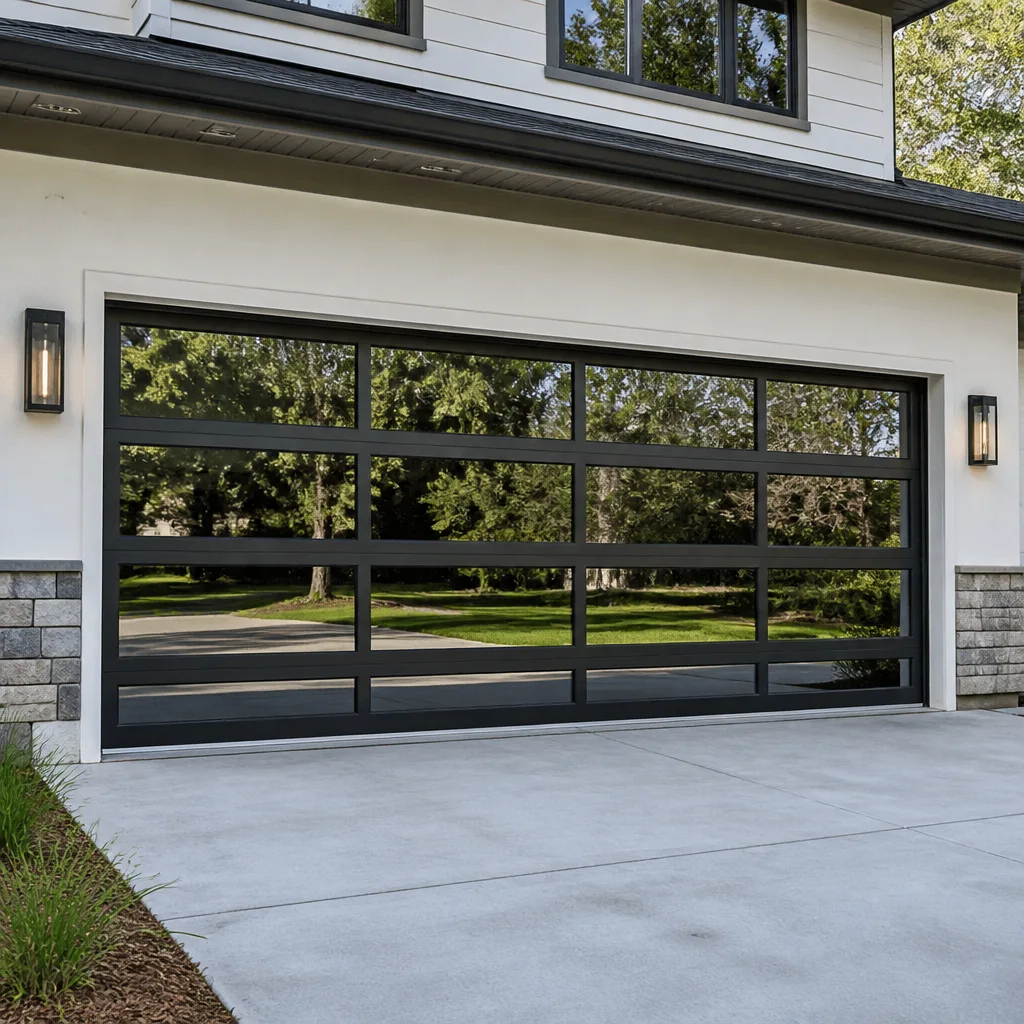 Full-view glass
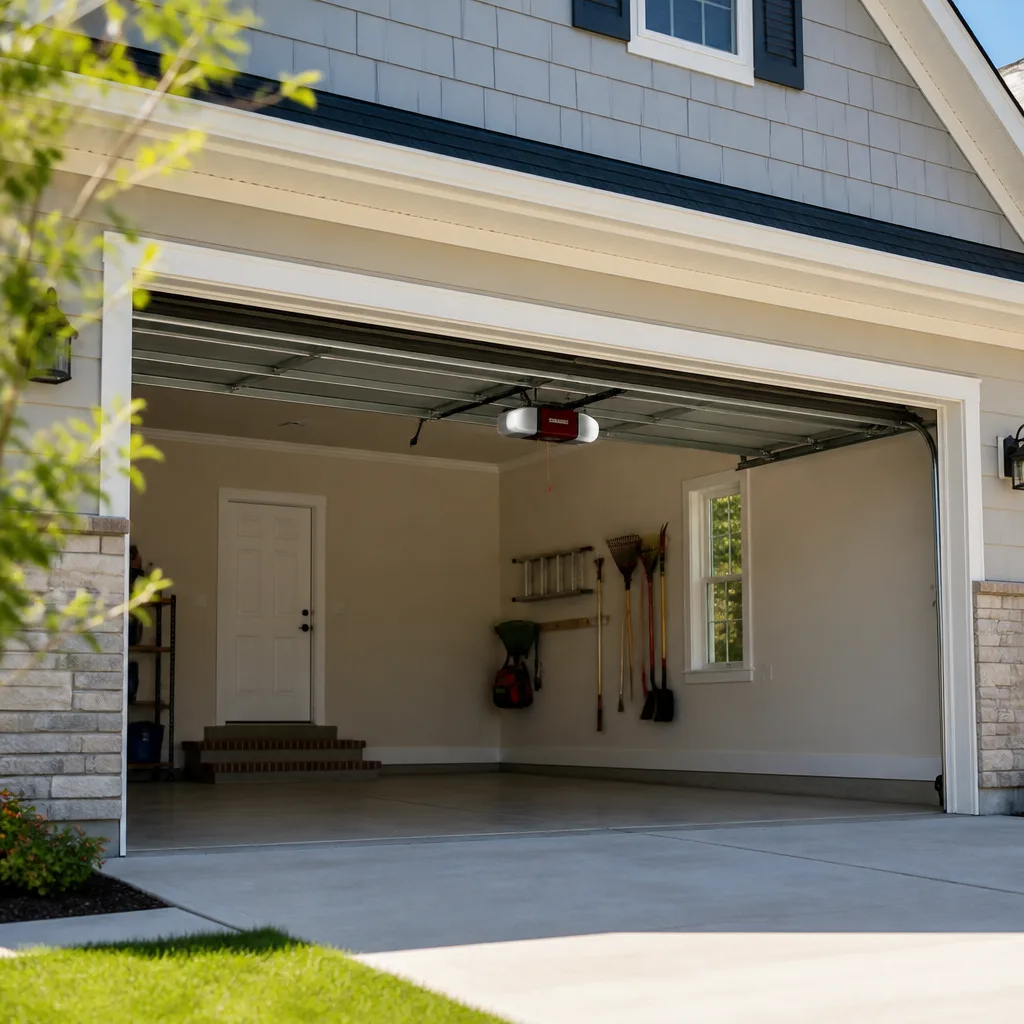 LiftMaster openers
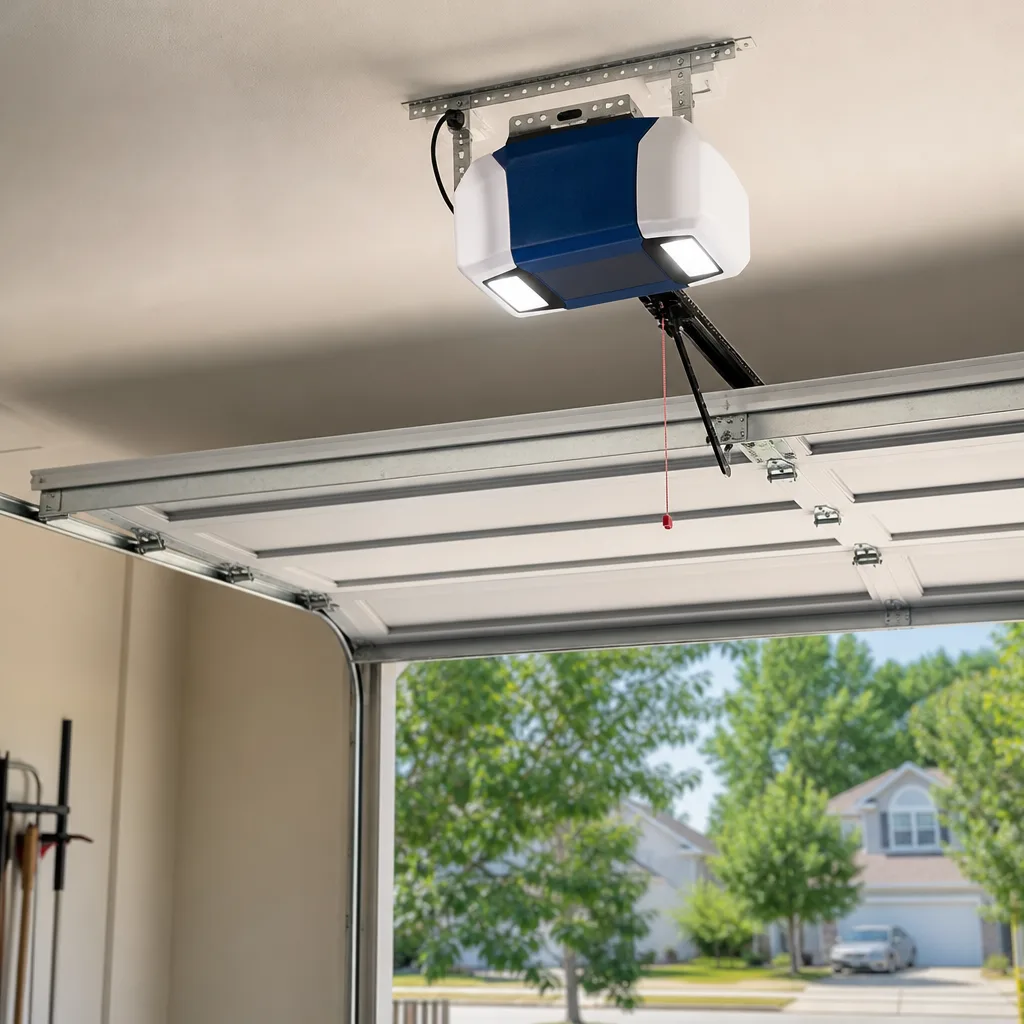 Chamberlain openers
Full 25-point door and opener safety check with every visit - springs, cables, rollers, tracks, and your LiftMaster or Chamberlain opener included
You get a price before we start. It does not change when the truck arrives.
Get your free estimateThe Complete Guide to Garage Door in Orange County
Here’s a number most Orange County homeowners never see coming: the average garage door opens and closes about 1,500 times a year. That’s roughly 30,000 cycles before the springs give out, which means if you bought your house eight years ago and have never thought about the door, you’re statistically about 4,000 openings past due. This guide walks through everything that actually matters about garage doors in Orange County: what coastal air does to steel, when insulation is worth the money, how to read spring color codes, and the one question that separates a written-price company from a verbal-estimate gamble.
Styles & brands we work with
Quick Answer
A garage door in Orange County should last 15 to 20 years with maintenance, but coastal microclimates, salt air, and inland heat peaks change what materials make sense neighborhood by neighborhood. The biggest decisions come down to material, insulation value, spring type, and who you let touch the door. Price expectations: spring replacement runs $180 to $340 in Orange County, a new door runs $900 to $3,500 installed depending on material and size, and opener replacement runs $350 to $650.
Table of Contents
- How Orange County’s Microclimates Change Material Choice
- The Lifespan Math: Cheap Door vs. Quality Door
- What R-Value Actually Means for an Attached Garage in Southern California
- How to Read Your Spring’s Color Coding (and What It Says About Remaining Life)
- A 12-Month Maintenance Schedule for Orange County Homes
- The One Question That Separates Written-Price Shops from Verbal Estimates
- Common Mistakes to Avoid
- When to Call a Professional
- Frequently Asked Questions
- The Bottom Line
How Orange County’s Microclimates Change Material Choice
Orange County is not one climate. It’s half a dozen microclimates stacked next to each other, and they shape garage door decisions more than most people realize. Laguna Beach and Newport Beach sit close enough to the Pacific that salt-laden morning fog rolls through on a regular basis. Anaheim and Fullerton sit far enough inland that summer highs routinely pass 95 degrees. Irvine splits the difference with a dry, warm inland feel and just enough coastal influence to keep nights mild. Each of these patterns changes what your garage door should be made of.
Steel is the most common garage door material in Orange County, and for good reason. It’s affordable, it holds paint well, and modern steel doors from brands like Clopay and Amarr come with multi-layer construction that resists dents. But steel near the coast has a weakness: salt. Within two to five miles of the ocean, steel garage doors rust faster, especially at the bottom panel where salt spray collects and along any scratch or dent where the galvanized coating gets compromised. In Laguna Beach or Corona del Mar, we recommend steel doors with a rust-resistant composite or vinyl bottom panel, or stepping up to a fiberglass door if you want to forget about rust entirely.
Wood doors are beautiful and period-correct on older Spanish Revival and Craftsman homes in areas like Orange and Santa Ana. But wood moves. Inland heat spikes push wood to expand and contract, and that leads to warping, sticking, and panel joints that don’t close flush. A solid wood door in Anaheim will need re-staining or re-sealing every two to three years just to hold its shape. That’s not a reason to avoid wood. It’s a reason to be honest about the maintenance load. Wood-composite doors, which use a wood-grain exterior over a steel or insulation core, give you most of the look with none of the warp. Established brands like Wayne Dalton do these well.
For most families in Orange County, the practical choice is a steel door with a wood-grain finish, layered insulation, and a rust-resistant bottom panel if you’re within five miles of the coast. It handles the climate without constant attention and it holds curb appeal for more than a decade.
The Lifespan Math: Cheap Door vs. Quality Door
Let’s put real numbers on the table. In Orange County, a basic single-layer steel door runs about $900 to $1,200 installed. A quality three-layer steel door with insulation runs $1,800 to $2,800. The cheap door is not actually cheaper. Here’s the math.
A single-layer steel door has no insulation core. Panels are thin. After five to eight years of use, you’ll see dents from basketballs, bicycles, and even just leaning a ladder against the face. Panels sag. The door gets noisy. Most single-layer doors need replacement at the eight to ten year mark, sometimes earlier if the bottom panel rusts through near a coastal zone. That’s $900 to $1,200 every eight years, plus the labor cost of another installation.
A quality three-layer door is built differently: steel exterior, insulation core, steel or aluminum backer. The sandwich construction makes panels rigid. It resists dents. Springs are typically higher-cycle (more on that below). These doors routinely last 20 years in Orange County with basic maintenance. The math works out like this:
- Cheap door path: $1,000 installed, replaced in year 8, another $1,200 installed in year 16. Total over 20 years: $2,200 to $2,600, plus two installation days.
- Quality door path: $2,500 installed, one spring replacement at year 10 ($280). Total over 20 years: $2,780.
Nearly identical cost over two decades. Except one path gives you a quieter door, no dents, no mid-life replacement, and a consistent look. The other path gives you two tear-outs and a door that never quite looks right after year five. If you plan to stay in your Orange County home for more than six years, the quality door is the smarter financial choice.
If you’re unsure whether to repair or replace, our Garage Door Repair in Orange County page walks through the decision point panel by panel.
What R-Value Actually Means for an Attached Garage in Southern California
R-value measures thermal resistance. Higher R-value means slower heat transfer through the door. The garage door industry sells R-value hard, because it’s an easy number to put on a brochure. But for an attached garage in Orange County, the truth is more nuanced.
Here’s what R-value actually does for you here. If your garage is attached and shares a wall with living space, garage temperature bleeds into the house. A garage that hits 95 degrees in an Anaheim summer pushes heat through that shared wall, making your AC work harder. An insulated door, R-12 or higher, keeps the garage cooler by 10 to 15 degrees on a hot afternoon. That translates to a real but modest cooling savings on the rooms adjacent to the garage.
If your garage is detached, or if it’s attached but shares no wall with conditioned living space, insulation matters much less. An insulated door on a detached garage mostly keeps the garage itself more comfortable if you use it as a workshop or gym. That’s worth something. But it’s not an energy bill play.
Noise is a factor too. A three-layer insulated door is dramatically quieter in operation than a single-layer steel panel. If a bedroom sits above the garage, which is common in two-story Orange County floor plans, that quiet makes a real difference at 6 a.m. when someone leaves for work. With kids napping in a room that shares the garage ceiling, a quiet door is not a luxury.
Our take after two decades of installing doors across Orange County: for attached garages sharing a wall with living space, get R-12 minimum. For detached garages used purely for parking and storage, R-6 is plenty. Don’t pay for R-18 unless you’re converting the garage to a finished room and local code requires it. Most of what’s sold as premium insulation is only premium in the sales pitch. For more guides & resources, see our blog.
How to Read Your Spring’s Color Coding (and What It Says About Remaining Life)
Torsion springs are the muscle that lifts your garage door. They do the heavy work so the opener only has to guide the door along the track. Springs wear out. They have a rated cycle life, and manufacturers paint the ends of springs with color codes so a technician can identify the spring size and cycle rating at a glance. Here’s how to read what’s on your door.
Look at the spring mounted on the torsion tube above the door opening. You’ll see one or two tightly wound coils with colored paint daubs on the cone ends. Common colors in residential Orange County doors include:
- Silver or unpainted: Usually a standard 10,000-cycle spring. If your door was installed more than seven years ago and still has the original silver spring, it’s borrowed time.
- Red: Typically a 25,000-cycle spring. This is what we install when a customer wants to stop thinking about springs for a decade or more.
- Green: Often a 50,000-cycle spring. Found on higher-end doors and commercial-style residential setups.
- Yellow, blue, white: These are size designators. Yellow often marks a lighter spring for a single-car door. Blue and white are common on double doors. The color indicates wire gauge and coil count, not necessarily cycle rating.
Cycle rating is the honest number. A standard 10,000-cycle spring on a door that opens four times a day lasts about seven years. A 25,000-cycle spring under the same use lasts 15 to 17 years. When a technician replaces your springs, ask what cycle rating they’re installing. It’s the difference between repeating this job in seven years versus nearly two decades.
One more thing worth knowing: the age of the hardware tells a story. If your door has a silver spring, nylon rollers that are chipped or missing chunks, and a chain-driven opener older than a decade, the door itself is telling you it’s in its final third of useful life. Budget accordingly. If you need spring work now, our Garage Door Spring Repair in Orange County page covers what happens on a typical service call and what it costs.
Springs are under extreme tension. If one looks cracked, rusted through, or if you can see a visible gap in a coil, do not attempt to touch or adjust it. A torsion spring releasing unexpectedly can cause serious injury. Call a trained technician. This is one of the few garage door tasks where the professional recommendation is not about convenience. It’s about not getting hurt.
A 12-Month Maintenance Schedule for Orange County Homes
Most garage door failures in Orange County are not sudden. They build slowly: a roller that grinds for six months, a track that drifts half an inch, a spring that loses a little tension each season. A basic maintenance rhythm catches most of these issues before they become breakdowns. Here’s what a year of caring for your door looks like.
Monthly (2 minutes):
- Open and close the door once by hand using the emergency release. It should move smoothly with roughly equal effort through the full travel. If it binds or feels heavy, something’s off.
- Look at the rollers as the door moves. A roller that’s wobbling, chipped, or not spinning cleanly in the track needs replacement soon.
- Check the photoelectric sensors near the floor on both sides of the opening. They should have a small solid light (usually green or amber). If one blinks, it’s misaligned or dirty.
Quarterly (10 minutes):
- Wipe down the tracks with a dry cloth to remove any coastal dust or grit buildup. Do not grease the tracks. Grease on tracks collects dirt and makes things worse.
- Apply a small amount of garage-door-rated lubricant to the rollers, hinges, and spring coils. Use a silicone or lithium-based product. Avoid WD-40, which is a solvent and strips lubrication.
- Inspect the weather seal along the bottom of the door. In Orange County’s dry summers, this rubber strip cracks and shrinks. If you can see daylight under the door, replace it.
Annually (30 minutes, same day every year):
- Check the balance. Pull the emergency release and manually lift the door halfway. Let go. A balanced door stays roughly in place. If it drops, the springs are wearing.
- Inspect all bolts, brackets, and hinges for rust. Coastal homes within a few miles of the ocean should look closely at the bottom panel and hinge plates.
- Test the auto-reverse safety feature. Place a 2×4 flat on the ground in the door’s path. Close the door. It should reverse immediately upon contact. If it doesn’t, stop using the opener and call for service.
This rhythm takes less than an hour per year. It catches most of what we see on emergency calls. For families who prefer to have this done by someone else, that’s fine too. A trained technician can run through all of this on a service visit, which is a good way to get a written condition report on the whole system.
The One Question That Separates Written-Price Shops from Verbal Estimates
Here’s the question to ask any garage door company before they start work in Orange County: “Will you give me the full price in writing before you begin, and will that number match the final invoice?”
That’s it. That’s the question. It takes eight seconds to ask and it reveals more about the company than any review or license check. Here’s why it matters.
Most garage door repair work starts with a service call. The technician arrives, looks at the door, and quotes a price. In a verbal-estimate model, that quote is a starting point. Once the door is apart, the job grows. The spring “needs a matching pair” even though only one broke. The cable “was about to fail” so that’s added. The roller replacement “makes sense while we’re in there.” Each addition is plausible, and each addition changes the invoice. By the time the work is done, the family pays 40% more than the number first quoted.
A written-price shop operates differently. The technician gives a written price before work begins. That price is the price. If the technician finds something else while working, it’s discussed and a new written price is agreed before that work starts. No running total. No surprise at the end. The Fernbrook Garage Doors Orange County home page describes how we run this on every visit. Our 365-Day Done Right Promise covers the workmanship. If something isn’t done right, we make it right, no negotiation required.
The written-price question also protects you from another common problem: the technician who quotes a low number to get the job, then inflates the invoice with “additional parts needed.” Asking for a written price before work begins is not rude. It’s the clearest signal to the company that you understand how this transaction should work. A good company will respect the question. Actually, a good company will have the written-price answer on their website before you ever pick up the phone.
Common Mistakes to Avoid
- Greasing the tracks. Tracks should stay dry. Grease on tracks turns into a grinding paste with coastal dust and grit, which accelerates roller wear. Lubricate rollers and hinges only, never the track surface.
- Replacing just one spring on a two-spring door. If one spring breaks, the other has the same age and cycle count. Replacing one means the door stays unevenly balanced and the second spring fails within months. Replace both as a matched set.
- Ignoring a slow or noisy door because “it still opens.” A door that’s slower than it was six months ago, or louder, is signaling a growing problem. What costs $80 to fix as a roller replacement can become a $400 track and cable job if ignored.
- Choosing a door by price alone, especially near the coast. The cheapest steel door in Orange County will rust through its bottom panel within five years in a salt-mist zone. The “savings” evaporates into a replacement panel and paint work.
- Skipping the auto-reverse safety test. This is the safety feature that prevents the door from closing on a child or pet. Test it monthly. It takes 30 seconds and it’s the most important safety check on the entire system.
- Letting a verbal estimate turn into a final invoice. If you didn’t get the price in writing before the work started, you have no ground to stand on when the invoice is higher. Get the written number. Every time.
- Using WD-40 on springs and rollers. WD-40 is a solvent, not a lubricant. It cleans off whatever lubrication was there and leaves the metal dry. Use silicone spray or white lithium grease made for garage doors.
When to Call a Professional
Some garage door issues are DIY-safe: tightening a bolt, cleaning the sensors, replacing the weather strip. Others are not. Call a professional when a torsion spring breaks or shows a visible gap in the coil, when a cable is frayed or has slipped off the drum, when the door has come off its track, or when the opener is old enough that the motor runs but the door barely moves. These are the situations where the risk of injury is real and the cost of a botched repair exceeds the cost of a service call. Fernbrook Garage Doors Orange County offers free estimates in Orange County. Call (831) 318-5791 and a live person answers, day or night. No voicemail tree.
Frequently Asked Questions
A basic single-layer steel door installed in Orange County runs $900 to $1,200. A quality three-layer insulated steel door runs $1,800 to $3,500 installed depending on size, insulation rating, and panel design. Custom wood doors start around $3,000 and go up from there. The price difference reflects materials and insulation, not just brand markup. Call (831) 318-5791 for a written, no-obligation estimate on your specific door size.
A garage door in Orange County should be professionally inspected once a year, with monthly owner checks in between. Coastal homes in areas like Laguna Beach and Newport Beach benefit from an extra look at the bottom panel and hinge plates each spring, since salt-mist exposure accelerates rust. A typical annual service includes spring tension check, roller inspection, track alignment, and safety sensor testing.
In most cases, yes. Common repairs like spring replacement, roller replacement, and cable work are completed same day by a stocked service vehicle. We carry parts for eight major brands on our trucks, including Genie, Clopay, Amarr, and Wayne Dalton. Call (831) 318-5791 and a live person will tell you what’s available that day.
It depends on where the garage sits relative to your living space. An attached garage sharing a wall with conditioned rooms, which is common in Orange County two-story homes, benefits from an R-12 or higher door that keeps garage heat from bleeding into the house. A detached garage used only for parking needs R-6 at most. Insulation also cuts operating noise, which matters if a bedroom sits above the garage.
For a home within five miles of the coast in Orange County, a steel door with a rust-resistant composite or vinyl bottom panel is the practical choice. Full fiberglass doors never rust and are a good option for homes directly on the water in Laguna Beach and Newport Beach. Wood needs heavy maintenance near salt air and will warp in inland heat peaks if not sealed properly.
A quality belt-drive opener from LiftMaster or Chamberlain typically lasts 12 to 15 years in Orange County with annual maintenance. Chain-drive openers run 8 to 12 years before the chain stretches and the motor strains. If your opener is over a decade old and the door moves slowly or the motor hums louder than it used to, replacement is cheaper than repeated repair calls. Check our Garage Door Installation in Orange County page for what’s involved in a full replacement.
The Bottom Line
A garage door in Orange County is a two-decade investment that most families make with a half-hour of research and a single phone call. The choices that matter are material (steel near the coast, wood only if you’ll maintain it), insulation (R-12 minimum for attached garages), spring quality (ask for 25,000-cycle minimum), and the company you trust to do the work (written price or nothing). The cheapest door is never the cheapest door over time. The most expensive door is the one installed with no written price and no warranty behind the labor. Get the written number. Check the C.A.R.E. checklist: clean up like it’s their own home, ask before moving anything, respect your family’s time, explain the price before the work. Ask for the price in writing before work begins, every visit, no exceptions. If a company won’t do that, call one that will.
Written by Jesse Calder, Owner at Fernbrook Garage Doors Orange County, serving Orange County since 2002.
See the difference
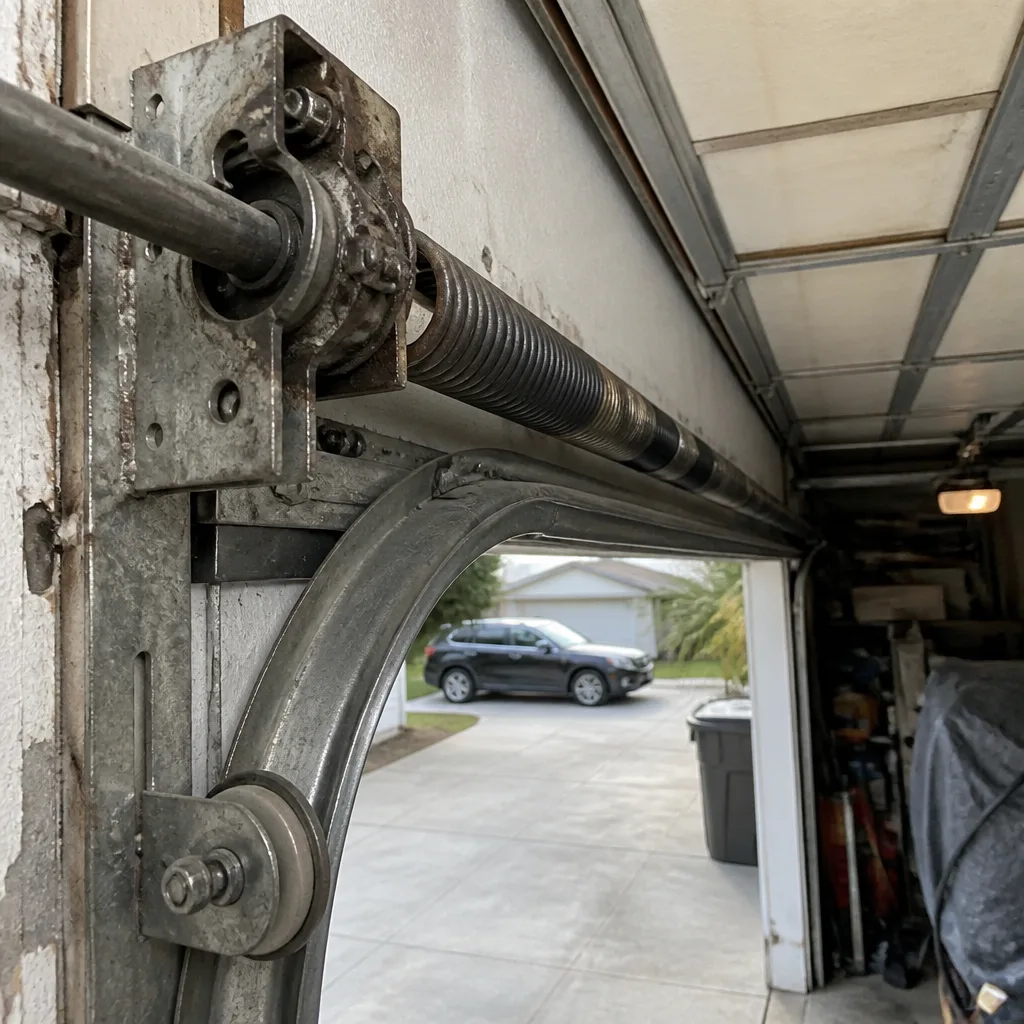 Before
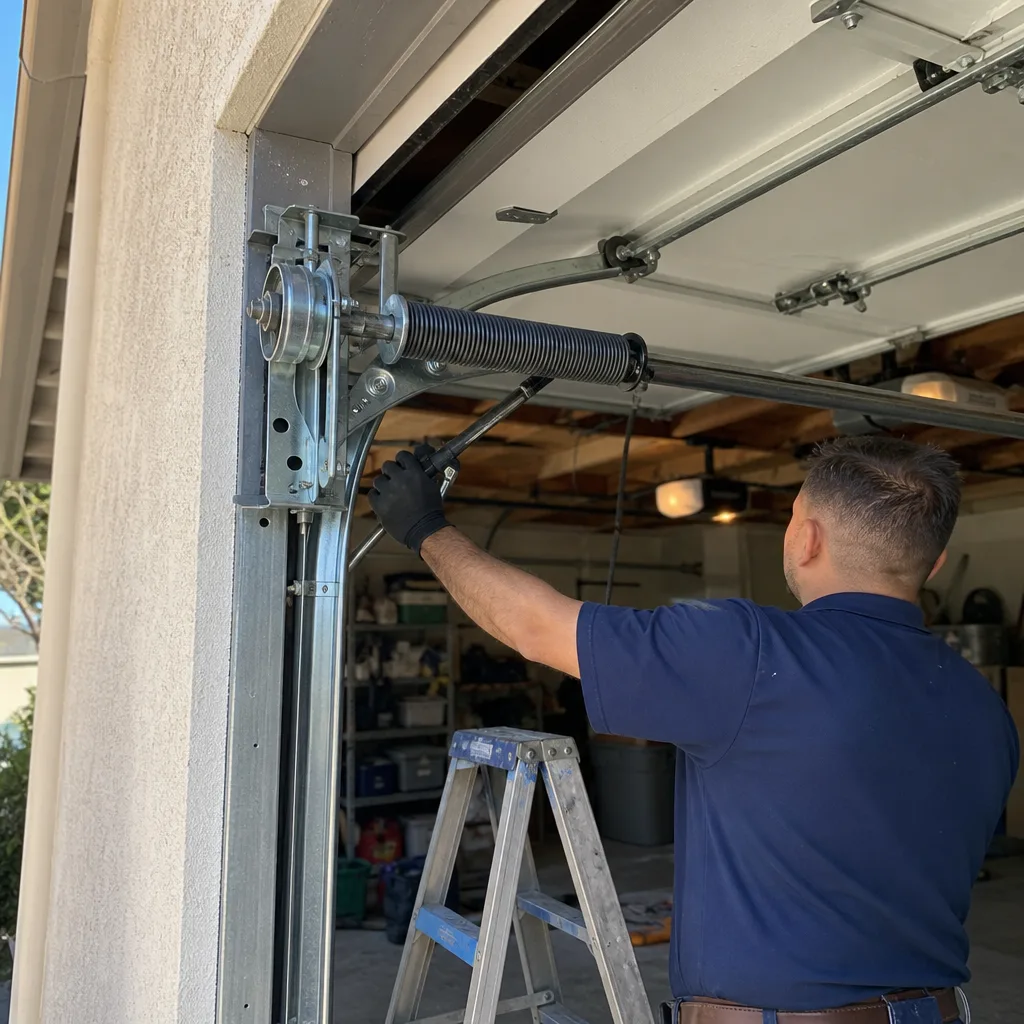 After
After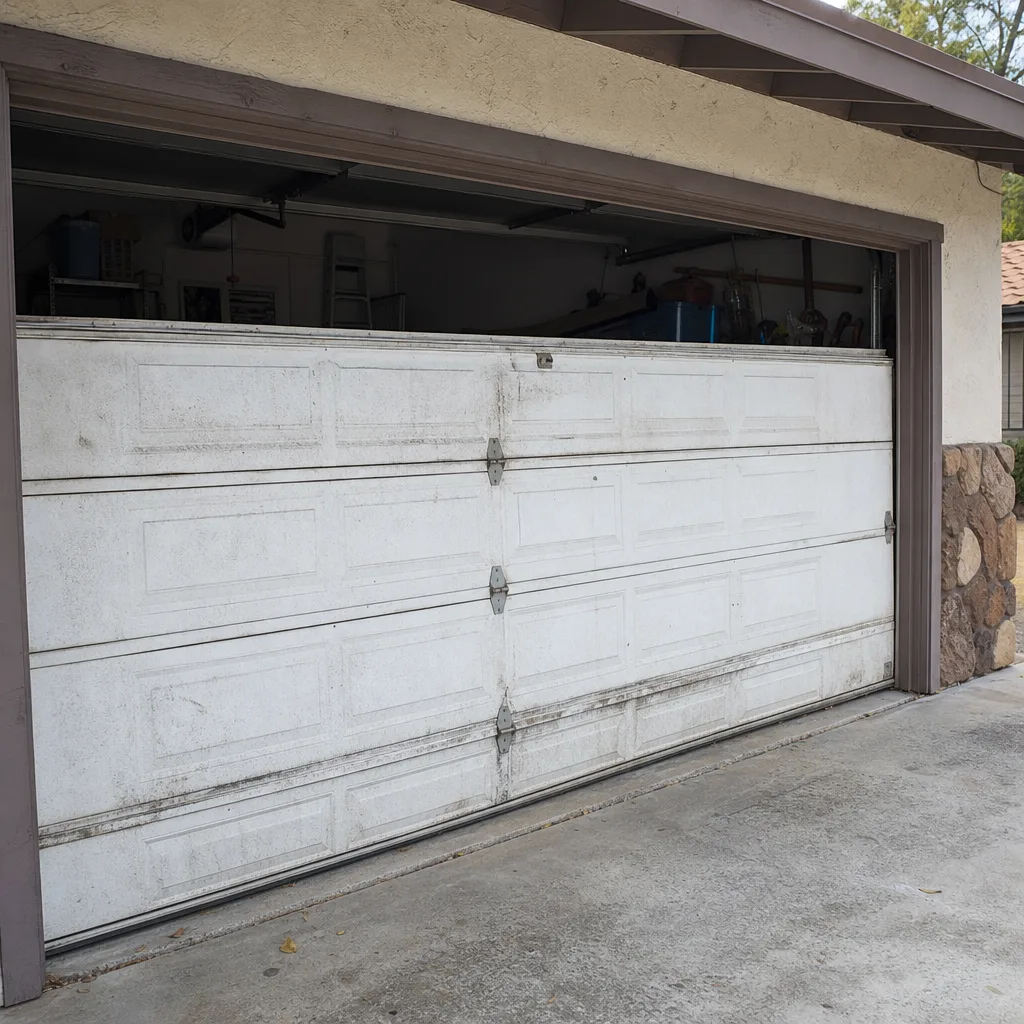 Before
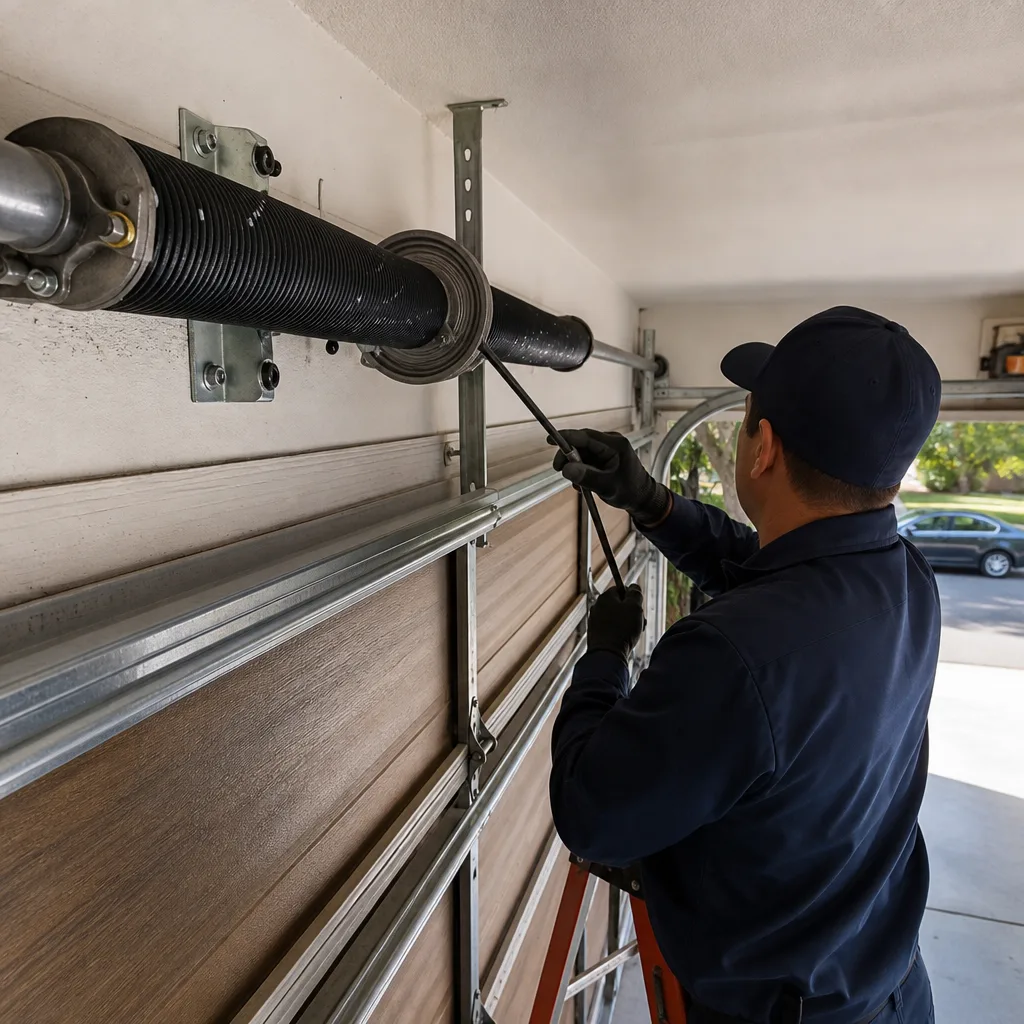 After
After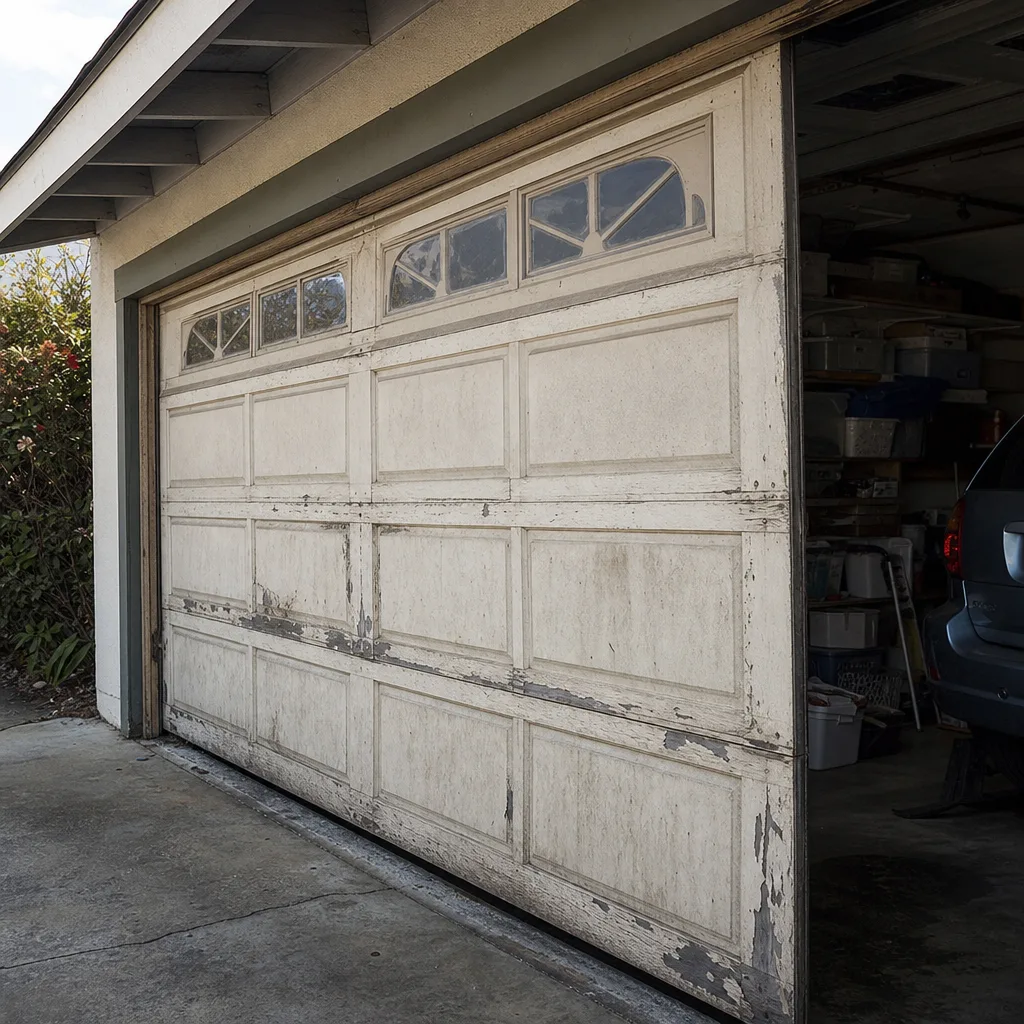 Before
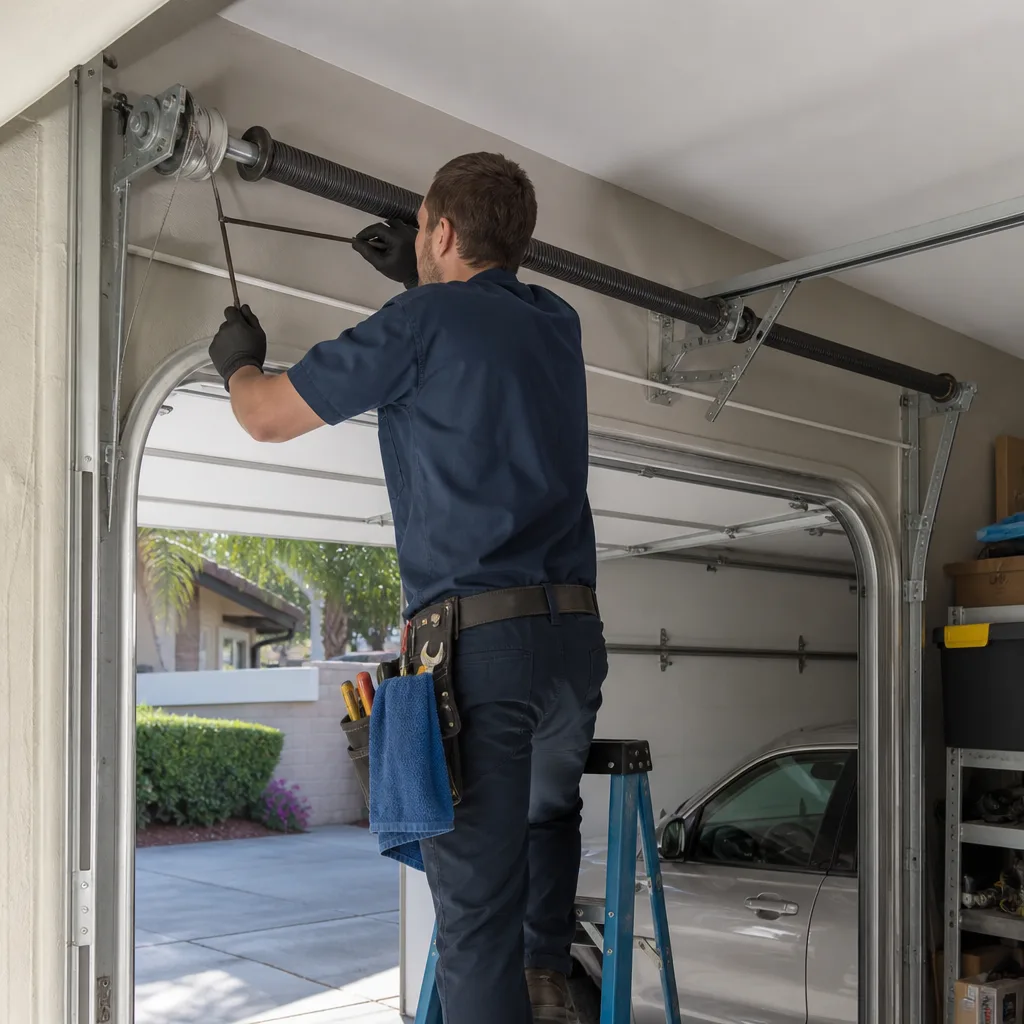 After
After