
Last updated October 17, 2026
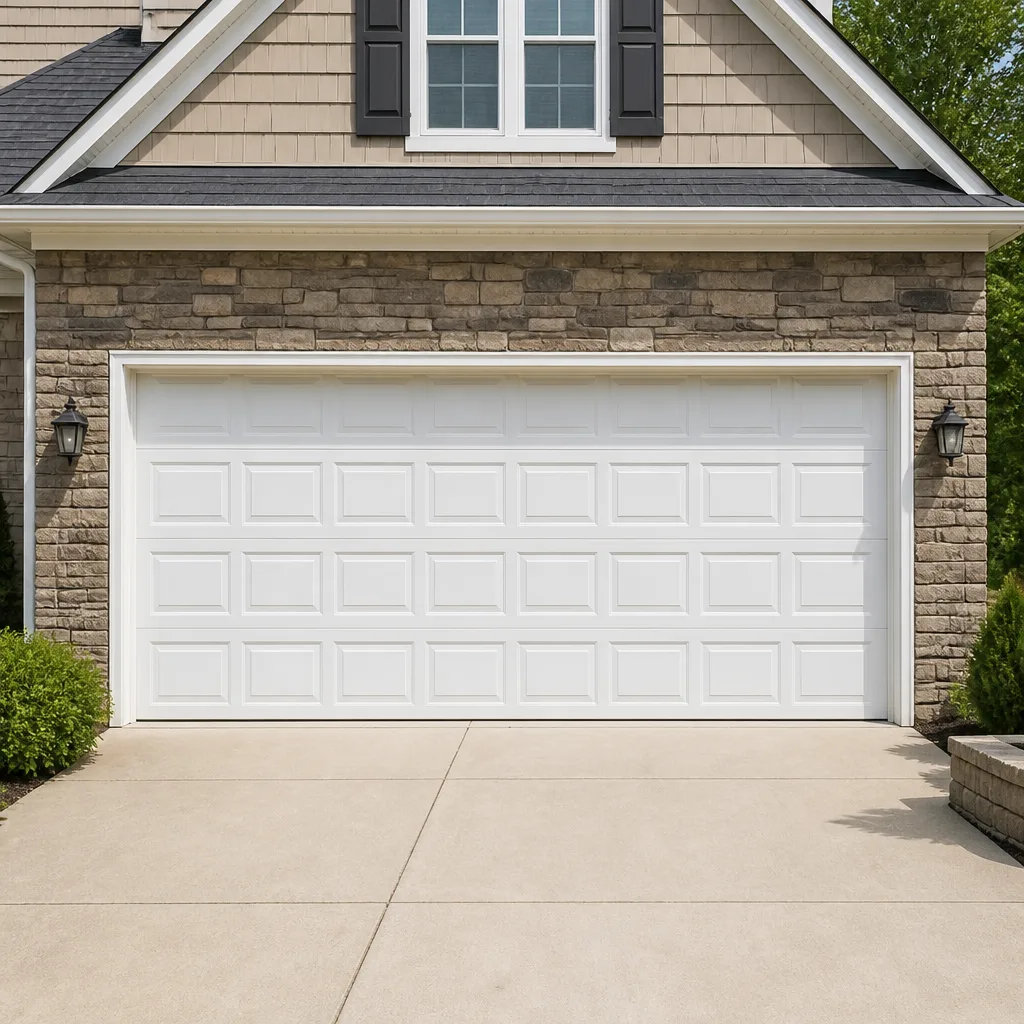 Raised-panel steel
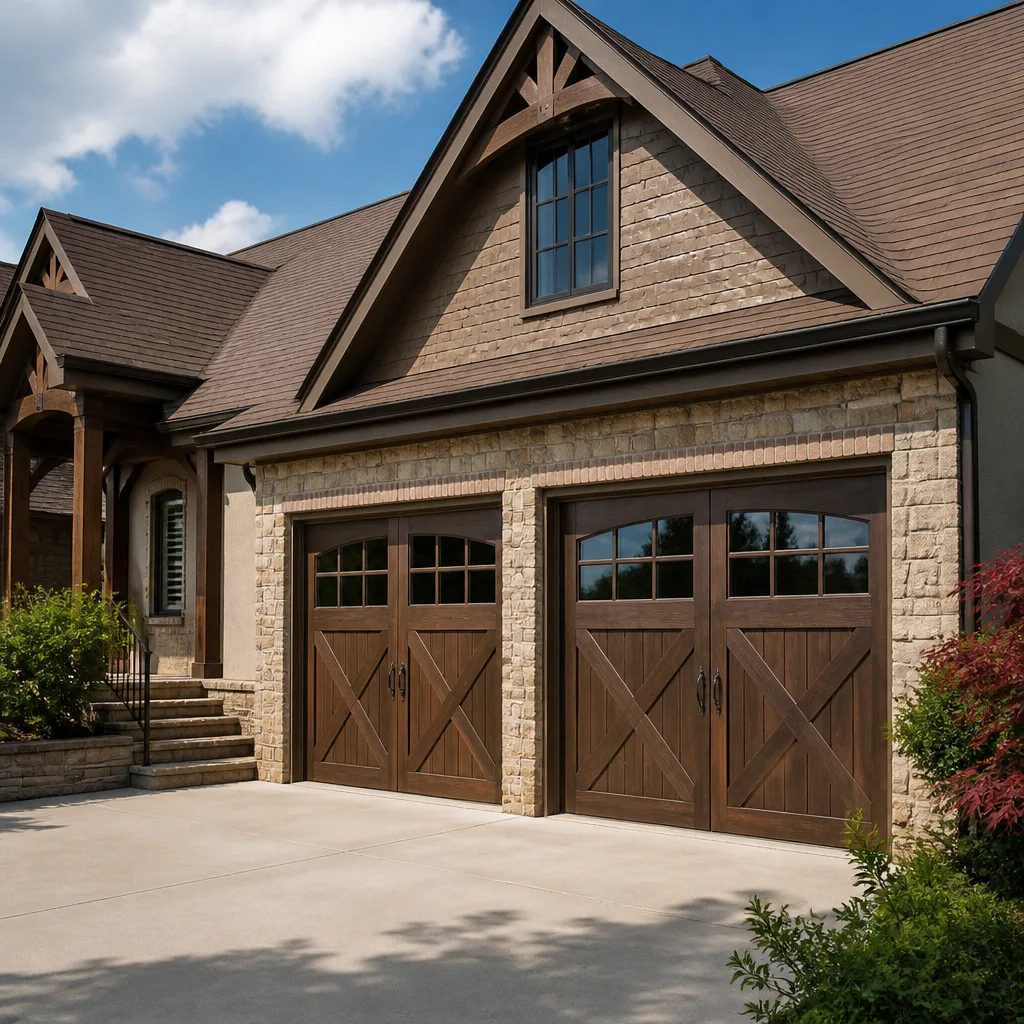 Carriage house
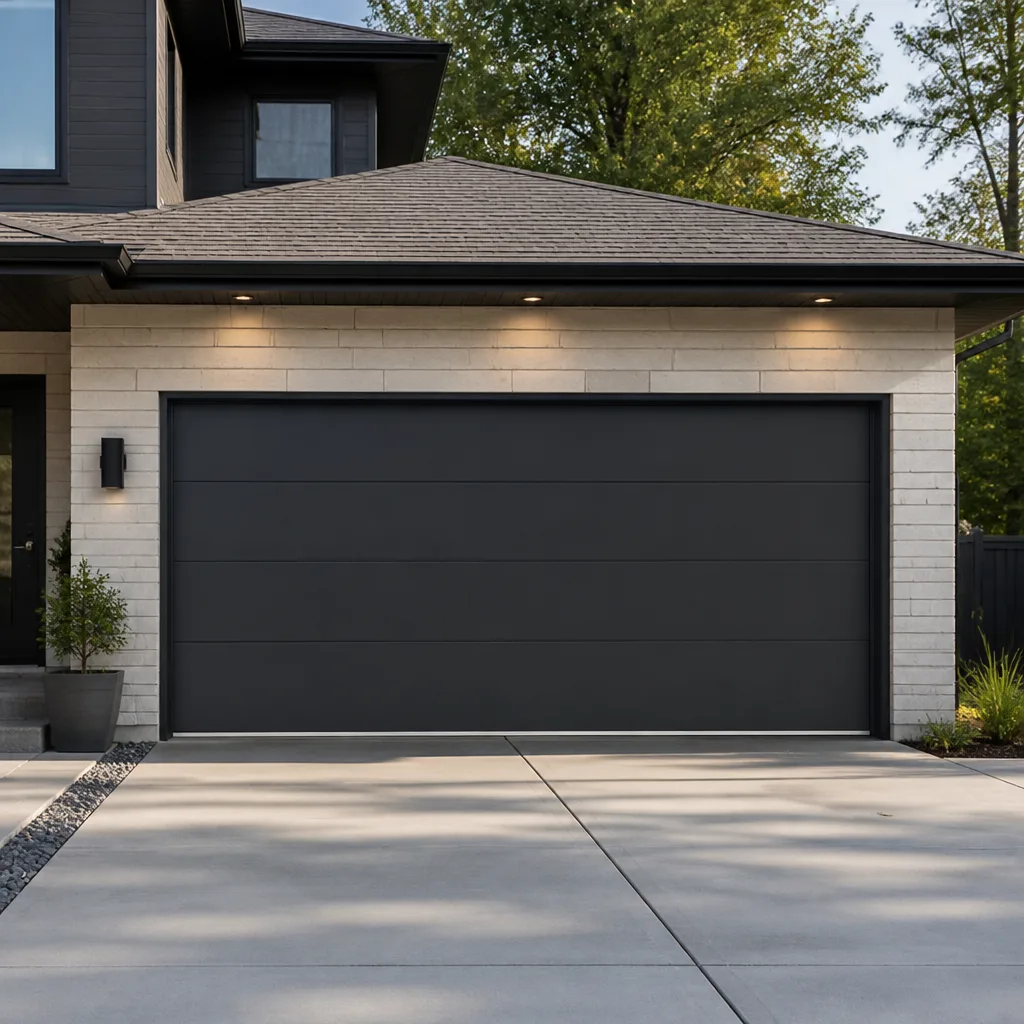 Modern flush
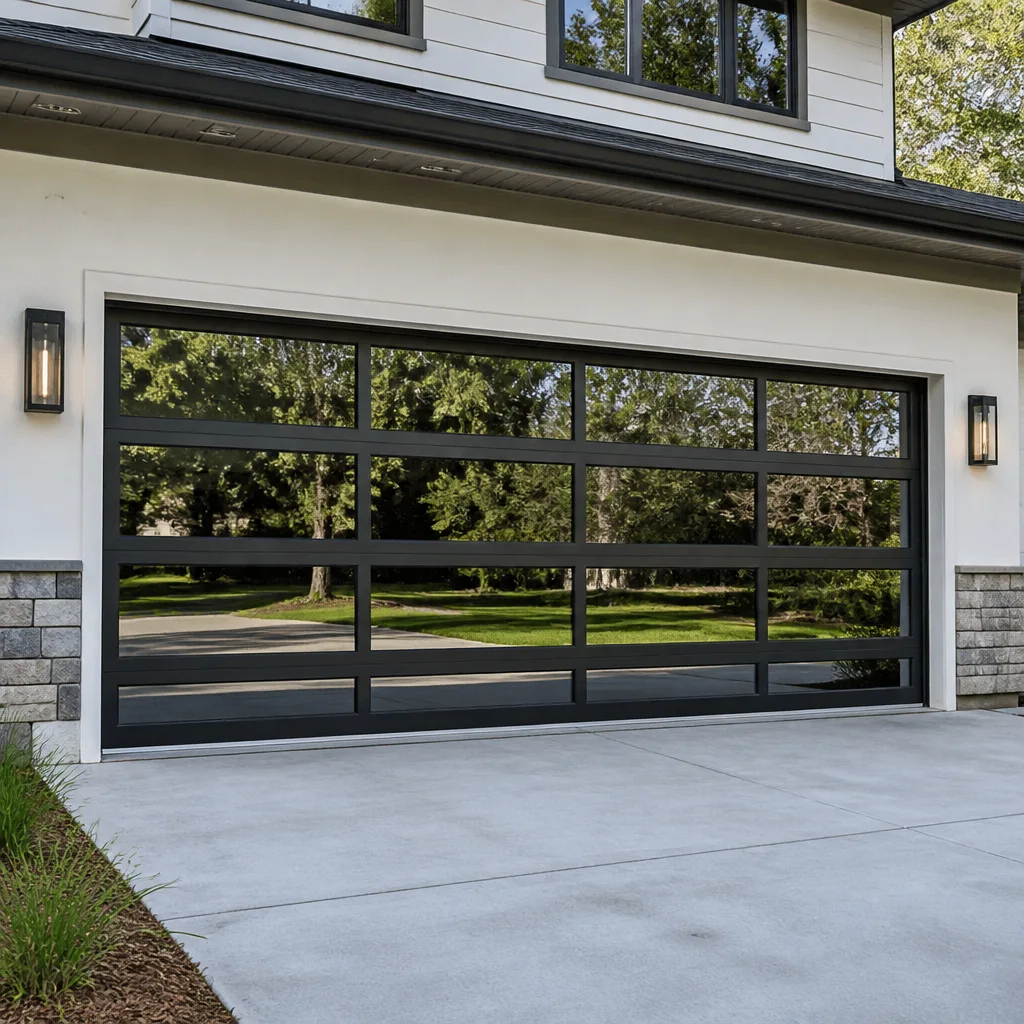 Full-view glass
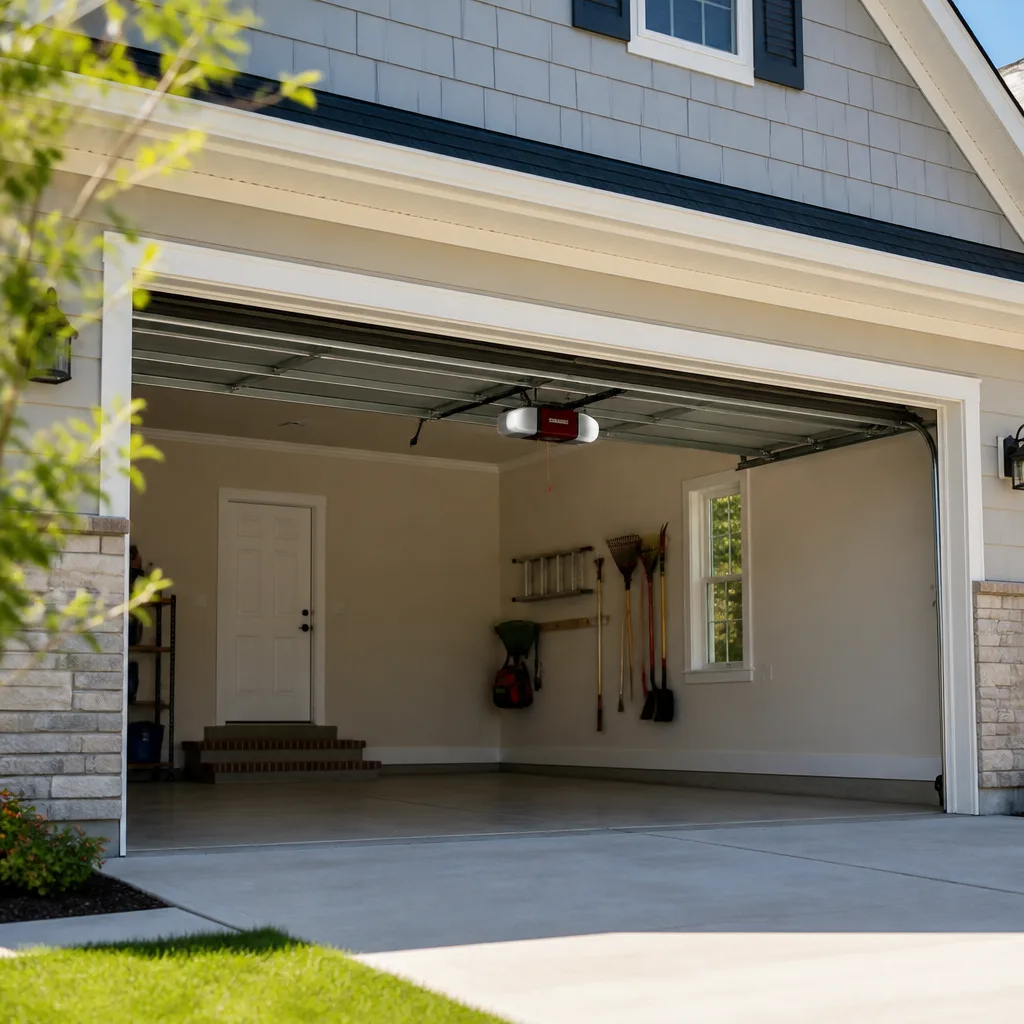 LiftMaster openers
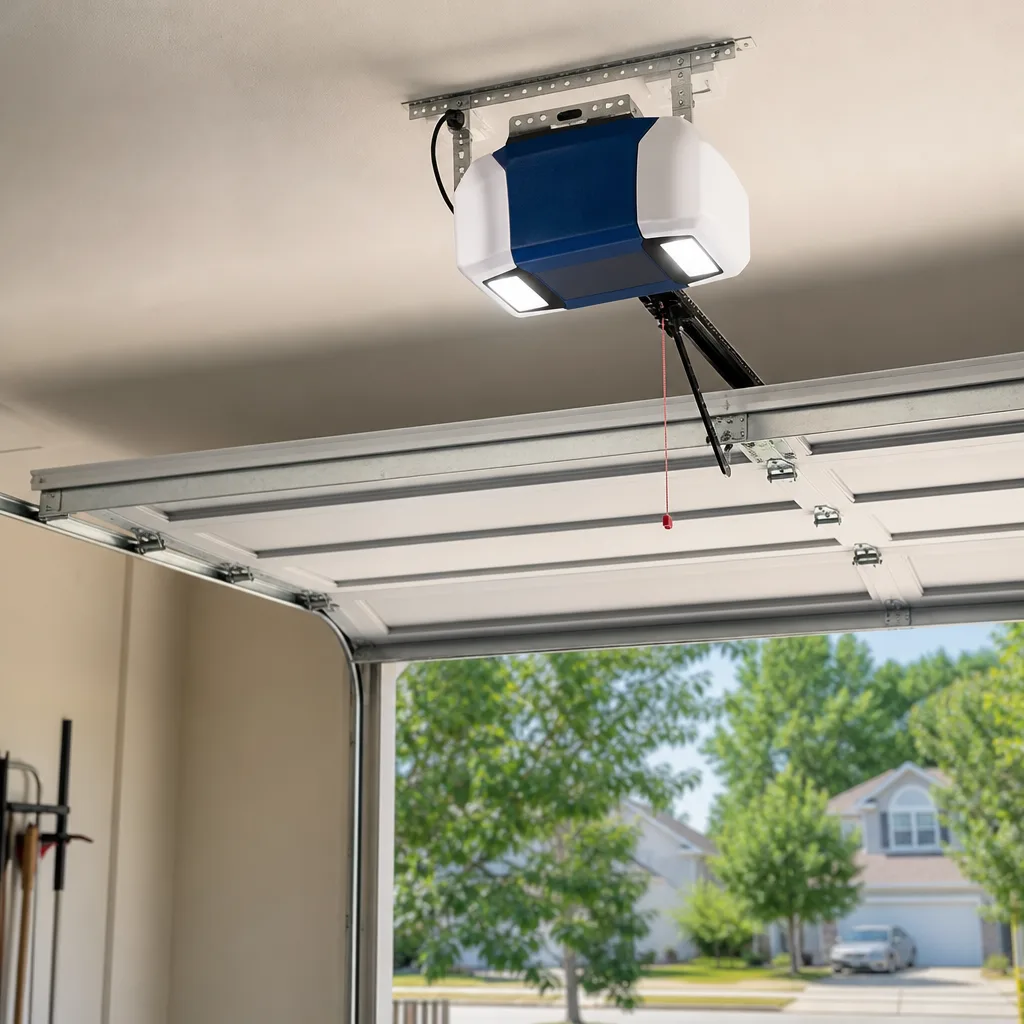 Chamberlain openers
Full 25-point door and opener safety check with every visit - springs, cables, rollers, tracks, and your LiftMaster or Chamberlain opener included
You get a price before we start. It does not change when the truck arrives.
Get your free estimateGarage Door Permits, Codes & Inspections in CA: What You Need to Know
In Orange County, a garage door that works perfectly can still fail a home inspection if the permit trail doesn’t hold up. A replacement that skips a required permit can appear on a title report, delay escrow, and require retroactive inspection, turning what could have been a $150 permit fee into a $2,000 headache at the worst possible moment. Most California homeowners don’t know that swapping a damaged panel is permit-exempt while replacing the full door system on an attached garage may not be. This guide walks through the California Building Code sections that govern garage doors, how Orange County cities layer their own rules on top, and how to verify a contractor’s permit claim in one phone call. For related reading, see our Garage Door Warning Signs: A Orange County Homeowner’s Reference Guide.
Quick Answer
Whether you need a permit for garage door work in California depends on the scope: replacing a broken panel or a garage door opener typically requires no permit, while replacing the full door and frame on an attached garage generally does under CBC Chapter 15 and local amendments. In Orange County, cities like Anaheim, Irvine, and Santa Ana each administer their own building permits, so the threshold that applies in one city may differ slightly in the next. Call your city’s building department, describe the scope in one sentence, and ask two questions: “Does this trigger a permit?” and “If so, what’s the fee and who pulls it?” For help choosing the right professional, read our How to Hire a Garage Door Contractor in Orange County: A Step-by-Step Guide.
Styles & brands we work with
Table of Contents
- California Building Code Chapter 15: The Foundation for Garage Door Rules
- Permit Required vs. Exempt: The Line-by-Line Distinctions
- How Orange County Cities Layer Their Own Requirements
- UL 325 and What an Inspector Actually Looks For
- What Happens When a Non-Permitted Garage Door Replacement Hits a Home Sale
- How to Verify a Contractor’s Permit Answer in One Phone Call
- Step-by-Step: The Permit Process for a Garage Door Replacement in Orange County
- Common Mistakes to Avoid
- When to Call a Professional
- Frequently Asked Questions
California Building Code Chapter 15: The Foundation for Garage Door Rules
The California Building Code, known as the CBC, is the baseline document every city in Orange County starts from. Chapter 15 covers exterior walls and wall coverings, and it’s the section that governs how garage doors are anchored, framed, and weather-sealed when part of a building’s exterior envelope. The reason a full garage door replacement can trigger a permit is that the door is treated as part of the wall assembly. When you replace the entire door and frame, you’re altering that assembly, which affects fire separation ratings, structural anchorage, and lateral load resistance.
The CBC is updated every three years. California currently operates on the 2022 edition with state amendments, and Orange County municipalities adopt it with their own local changes. What matters to a homeowner is not the code edition number but the way it’s applied at the counter. A building official in Anaheim will read the same code section as one in Irvine and may reach a slightly different conclusion about whether a given scope crosses the permit threshold. That’s why the verified answer always comes from the city, not from memory or a contractor’s assurance.
The sections that most often come up for garage doors are CBC 1503 for weather protection, CBC 1509 for materials and installation methods, and the fire-resistance provisions that appear throughout Chapter 7 when the garage shares a wall or ceiling with living space. If your garage is attached and the wall between house and garage is a fire-rated assembly, the door opening is part of that assembly. In our experience working across Orange County, inspectors focus on three things: the attachment method to the rough opening, the weather sealing at the threshold and jambs, and the door’s primary safety reversal system when an opener is present. See our Garage Door Repair Maintenance Checklist for Orange County Homeowners for a complete maintenance routine.
For a deeper look at how these rules shape day-to-day repair work, see our Garage Door Repair in Orange County page.
Permit Required vs. Exempt: The Line-by-Line Distinctions
The distinction most homeowners miss is between the door panel and the door system. California’s permit trigger, as interpreted by Orange County cities, generally breaks down like this:
- Replacing one or more garage door panels: Permit-exempt. The door’s structural function and the opening’s dimensions are unchanged. This is maintenance, not modification.
- Replacing the garage door opener only: Permit-exempt. The motor, rail, and wireless receiver are appliances, not structural components. UL 325 compliance is required, but no building permit is needed.
- Replacing the full door but reusing the existing frame: Often exempt in practice, but this is the gray zone. Some Orange County cities treat it as a like-for-like swap and wave it through. Others want a permit if the door weight, material, or wind-load rating changes.
- Replacing the full door and the frame or rough opening trim: Commonly requires a permit when the garage is attached to the dwelling. Detached garages in most Orange County cities are more lenient, though not universally exempt.
- Enlarging the opening or converting a garage door to a wall: Always requires a permit, and often a plan review, because you’re changing the structure. This applies everywhere in Orange County without exception.
Why does the city care about an attached garage door? Because the wall between the garage and the house is frequently a one-hour fire-rated assembly. The garage door is part of that boundary when the garage is attached. A wrong installation can compromise the fire rating, and a compromised fire rating is a safety issue the building department has to record and inspect. Detached garages sit away from living space, so the stakes are lower and the permit threshold is usually relaxed.
The practical rule when a client calls our team in Orange County: if the job changes the size, shape, structural frame, or fire-rated boundary of the opening, expect a permit. If it restores or swaps a component without changing those things, expect no permit. When the answer is uncertain, the city’s building department, not the contractor, is the final word.
How Orange County Cities Layer Their Own Requirements
Orange County is not one permitting jurisdiction. It’s a collection of 34 cities plus unincorporated county areas, and each one adopts the CBC with its own amendments and fee schedules. The result is a patchwork where a job that’s permit-exempt in one city requires a $180 permit in the next. Here’s what we see in three of the larger cities:
Anaheim: Anaheim’s building division is historically strict about attached garage door replacements when the door exceeds a certain size or weight. They ask for product specifications before issuing the permit, and the inspection typically happens after installation. The city’s online permit portal allows homeowners to check requirements by project type, which is worth using before any work begins.
Irvine: Irvine’s newer housing stock means many garages are part of master-planned community standards in addition to city code. Irvine often asks whether the replacement door matches the original door’s wind pressure rating, especially for homes in elevated or hillside terrain. The Irvine building division has been moving more of its permit applications online, but an in-person or phone verification of the specific scope is still the fastest way to get a definitive answer.
Santa Ana: Santa Ana’s older housing inventory means the city sees more non-standard rough openings and more retrofit work. Their building department tends to require a permit for full-system replacements on attached garages and is strict about anchoring into existing framing. Santa Ana also has a user-friendly counter staff, and a one-minute phone call describing the scope typically gets a clear yes-or-no.
Unincorporated Orange County, which includes areas like North Tustin and Rossmoor, falls under County of Orange Public Works building permits. Their threshold is similar to the cities, but the fee schedule and inspection routing are different. The lesson is geographic: a permit answer for a house in Villa Park does not automatically transfer to a house in Costa Mesa. Check with the city that has jurisdiction over the address.
UL 325 and What an Inspector Actually Looks For
UL 325 is the safety standard for automatic garage door openers, and it’s the reason every opener sold today comes with a photo-eye sensor and a reversing mechanism. The standard matters for permits because an inspector who’s on site for a garage door installation will usually check the opener at the same time, even when the permit itself was issued for the door.
What does an Orange County inspector actually look at? In our experience, the list is practical, not pedantic. The inspector checks that the door reverses when it meets resistance, that the photo-eye sensors are mounted no more than six inches off the floor, and that the emergency release handle is installed and reachable. The inspector may also check the door’s balance by disengaging the opener and lifting the door manually to see whether it stays in place. A door that slams or drifts open fails balance, which is an automatic correction note.
The most common correction we see inspectors issue is for the photo-eye sensors being mounted too high or angled so narrowly that a small child or a pet could pass under the beam without breaking it. That’s a specific, preventable failure. Another frequent note is for a missing manual release rope or one that’s been shortened so far it can’t be reached without a ladder.
UL 325 compliance is not something the homeowner is expected to master. It’s something the installer is expected to deliver. But a homeowner who knows what the inspector checks can verify the basics before the inspection happens. If the door reverses under light hand pressure and both sensor lights are steady green or red rather than blinking, the opener is doing what UL 325 requires of it.
What Happens When a Non-Permitted Garage Door Replacement Hits a Home Sale
The moment a missing permit turns from an abstraction into a problem is usually the day the seller opens escrow. In Orange County’s market, garage door replacements are among the improvements a buyer’s home inspector and a title company may flag because permits are public records that are easy to cross-check. Here’s the sequence, step by step:
- Title search reveals no permit: If the door was replaced within the last several years and no permit appears in the city’s system, a thorough title report may list it as an unpermitted improvement. Not every title report does this, but it’s become more common in Orange County.
- Buyer’s home inspector notes the door: The inspector may flag the door as newer than the rest of the house, then note that permit history is unclear. Some inspectors will write it up as a possible after-market installation.
- Buyer requests retroactive permitting: The buyer’s agent may ask the seller to obtain a retroactive permit before close. The seller then has to contact the city, pay the permit fee plus a retroactive surcharge in many jurisdictions, and schedule an inspection.
- Retroactive inspection reveals issues: If the original installation didn’t meet the code in force at the time, the inspector can require corrections before signing off. Those corrections aren’t free, and they happen on the seller’s timeline, under escrow pressure.
- The alternative is a price concession: If the seller can’t or won’t pull the retroactive permit, the deal often survives through a seller credit, but that credit is usually larger than the permit would have cost. A $150 permit omission can become a $2,000 concession or repair bill.
The protection for the homeowner is simple: when a garage door replacement is planned, ask the contractor one question before the work starts. “Does the city require a permit for this scope?” Then verify the answer yourself. A contractor who gives an unqualified “no” when the city would say “yes” is putting you in the position of discovering the truth at settlement. If you’re planning a full door replacement, our Garage Door Installation in Orange County guide covers how the installation itself should be scoped.
How to Verify a Contractor’s Permit Answer in One Phone Call
Verifying a permit requirement does not require technical knowledge. It requires one phone call and two sentences. Here’s the script we give to homeowners in Orange County:
- Look up the phone number for your city’s building department or building safety division. Search “[your city] building department phone number.”
- When you reach a plan checker or permit technician, say exactly this: “I’m a homeowner on [street name], and I’m replacing a garage door on an attached garage. The door and frame are being replaced, but the opening size isn’t changing. Does that trigger a permit in your city?”
- If they say yes, ask two follow-up questions: “What’s the fee?” and “Does the homeowner or the contractor pull the permit?” Write down the fee and the answer.
- If they say no, ask them to confirm in a way you can cite later, like an email from the building division, or note the name of the person you spoke with and the date.
- Then go back to your contractor and say: “I called the city. They said X. Can you walk me through how you’re handling the permit side?” The contractor’s answer tells you a lot.
We tell our own customers in Orange County to do this even when they’re hiring Fernbrook, because we want the homeowner to compare what we said against what the city said. The answers should match. When a contractor says a permit is included, ask to see the permit number before the work starts. When the contractor says no permit is needed, the city’s confirmation protects you at resale.
A note on costs: permit fees for garage door replacements in Orange County cities commonly run between $120 and $400 depending on the jurisdiction and the project valuation, with some cities adding a small plan review fee if drawings are required. That’s a lot less expensive than the retroactive version of the same permit later.
Step-by-Step: The Permit Process for a Garage Door Replacement in Orange County
When a permit is required, the process in most Orange County cities follows the same shape. This is the sequence we guide a customer through when a Fernbrook technician installs a full garage door system on an attached garage:
- Scope confirmation: Confirm with the city that the specific scope requires a permit. Keep the answer in writing if possible.
- Permit application: The permit is submitted by whoever will be named on the permit. Homeowners can pull their own permits for work on their own home, but if a contractor pulls it, California requires the contractor’s state license to be associated with the permit. We recommend having the installing contractor pull the permit so the responsibility for code compliance sits in one place.
- Product information: The city may ask for the door manufacturer, model, wind load rating, and dimensions. Brands like Clopay and Amarr publish specification sheets for exactly this purpose, and the installer usually has them ready.
- Installation: The door and frame are installed to the manufacturer’s specification and the CBC requirements in effect at the address.
- Inspection scheduling: After installation, the city is called to schedule the inspection. Orange County cities generally offer a window of a few days out from the call.
- On-site inspection: The inspector checks the installation against the permit scope. For garage doors, the typical focus is anchoring, weather seal, fire rating where present, and opener safety compliance.
- Permit finalization: When the inspection passes, the permit is signed off and becomes part of the permanent property record with the city.
The entire process adds a few days to the project timeline in most Orange County cities. It’s rarely cumbersome. What it adds in time it returns in resale protection, because a signed-off permit is the end of the story. See our Fernbrook Garage Doors Orange County home page for more on how we scope and price a full replacement.
Common Mistakes to Avoid
- Assuming all garage door work is permit-free. Panel replacements and opener swaps are generally exempt, but full-system replacements on attached garages often are not. The assumption costs more than the verification phone call.
- Taking a contractor’s “you don’t need one” without checking. Many contractors are right, but some are wrong, and the homeowner is the one who carries the title report risk later. A one-call verification changes the dynamic.
- Replacing a door on an attached garage without documenting the fire rating. If the wall between house and garage is rated, the door and frame are part of that assembly. The wrong door-choice decision can fail inspection.
- Skipping the opener’s safety checks when no permit is involved. No permit doesn’t mean no UL 325. The sensor height and reversal test matter for exactly the reasons the standard was written.
- Enlarging the opening without a plan review. This is the most expensive mistake in the category. Structural changes always require permits, and retroactive correction here can involve a structural engineer.
- Waiting until escrow to discover the missing permit. By then the seller has no time leverage, and a buyer’s credit request is the most expensive way to resolve what a $150 permit would have handled years earlier.
- Assuming Orange County cities all follow the same rule. They don’t. The city with jurisdiction over the address is the only source that matters.
When to Call a Professional
When the job is a full garage door replacement on an attached garage, a professional installer who knows the Orange County permit landscape is worth more than the labor savings of a handyman. The installer should be able to name the permit status of the scope, provide product specifications for the city, and handle the inspection from scheduling to sign-off. When the door is a fire-rated assembly boundary, when the opener requires UL 325 compliance verification, or when the rough opening needs work, a licensed, code-fluent installer is the right call. Fernbrook Garage Doors Orange County offers free estimates in Orange County, including a written price before any work begins, call (831) 318-5791. For questions about spring-specific work, see our Garage Door Spring Repair in Orange County page.
Frequently Asked Questions
You generally need a permit to replace a full garage door and frame on an attached garage in California, though the final call is made by the city with jurisdiction over the address. Replacing only the panels or the opener is exempt in most Orange County cities. Call (831) 318-5791 if you want a Fernbrook technician to verify your specific scope against your city’s rules.
Garage door permits in Orange County cities commonly run between $120 and $400 depending on the city, project valuation, and whether a plan review fee applies. The exact figure comes from your city’s building division, and it’s far less than the cost of retroactive permitting during a home sale.
Yes, you can sell, but the unpermitted replacement may appear on the title report or in the buyer’s inspection, and the buyer may request retroactive permitting or a price concession. In Orange County’s market, the concession is typically larger than the original permit would have cost.
Yes, in most Orange County cities the inspector will check the opener’s auto-reverse function, photo-eye sensor height, and emergency release, because the opener is attached to the door being permitted. UL 325 compliance is the standard the inspector applies.
Either can, but when a licensed contractor does the work, we recommend the contractor pull the permit so responsibility for code compliance stays in one place. If a contractor tells you a permit is included, ask for the permit number before work starts.
Often yes, because a detached garage doesn’t share a fire-rated boundary with the living space, so many Orange County cities relax the permit threshold for full replacements there. Check with your city anyway, since the rule varies by jurisdiction.
The Bottom Line
The garage door permit question in California comes down to scope and city. Panel and opener swaps are mostly exempt; full-system replacements on attached garages often need a permit, and the city that governs the address has the only answer that matters. In Orange County, the fee is usually under $400, the inspection is straightforward, and the signed-off permit becomes a permanent protection at resale. The retrofit version of the same approval, discovered during escrow, costs several times more. Verify before you replace, and keep the record. It’s the cheapest insurance a garage door project has. Explore more guides & resources on garage door care and compliance.
Written by Jesse Calder, Owner at Fernbrook Garage Doors Orange County, serving Orange County since 2002.
See the difference
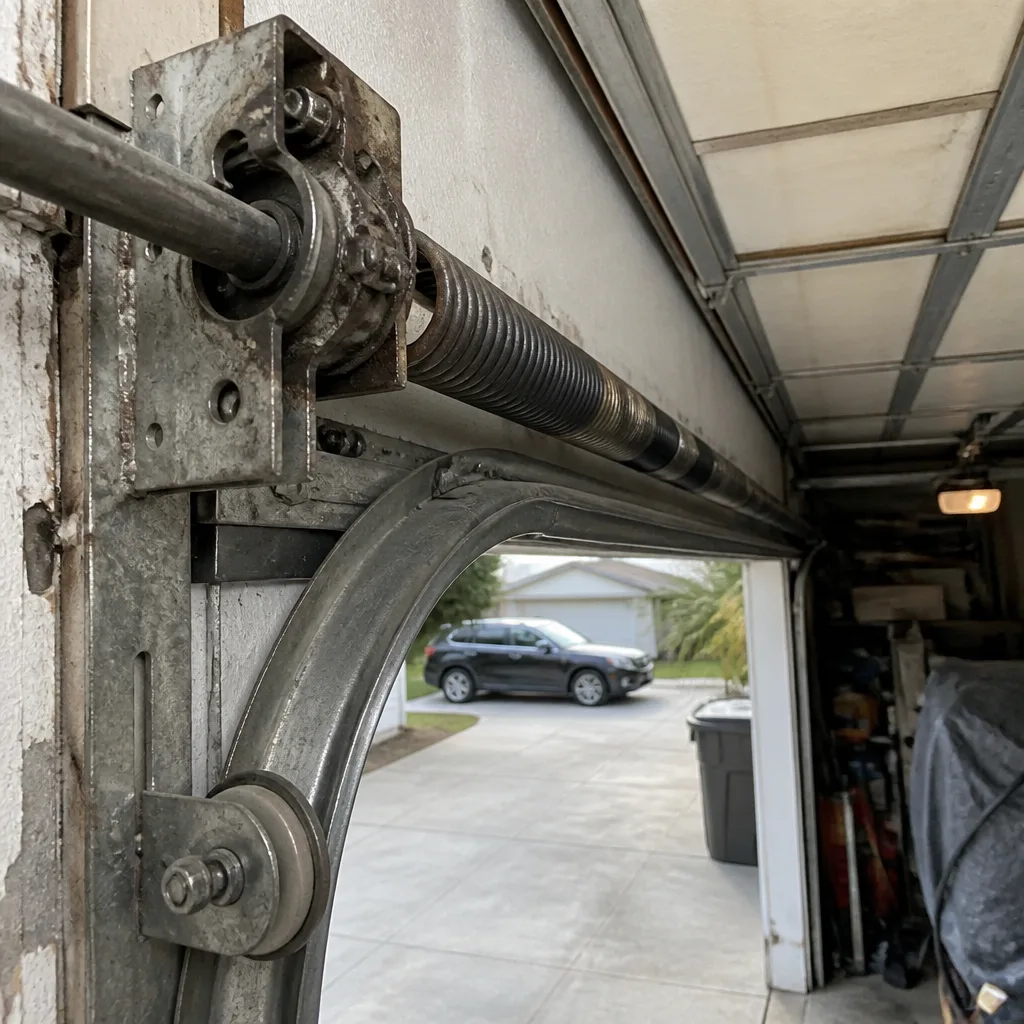 Before
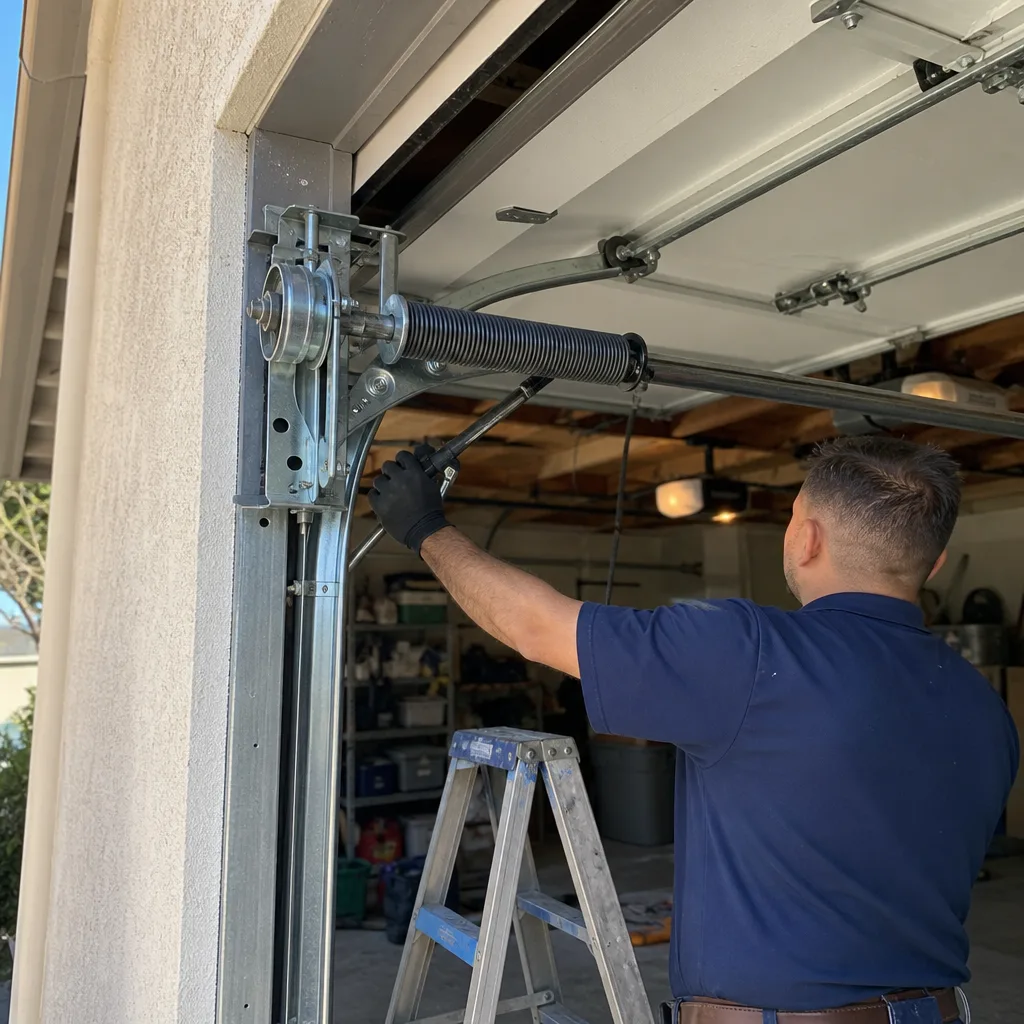 After
After Before
 After
After Before
 After
After